When I was nine, there was nothing I wanted more than to belong to the All-of-a-Kind Family.
I loved the idea of having four sisters, all of us wearing our white pinafores as we traipsed to the library Friday afternoons and spent our pennies for treats on Rivington Street. Would I get a warm sweet potato like Ella, hot chick peas like Sarah, or candied fruit on sticks like Charlotte and Gertie? I don’t think I’d opt for a fat, juicy sour pickle like Henny did. 🙂
I’m guessing most of us who loved Sydney Taylor’s classic AOAKF books imagined ourselves as one of these girls, perhaps the one closest to our own age. But since we got to know them all so well, we were probably able to find parts of ourselves in each of them.
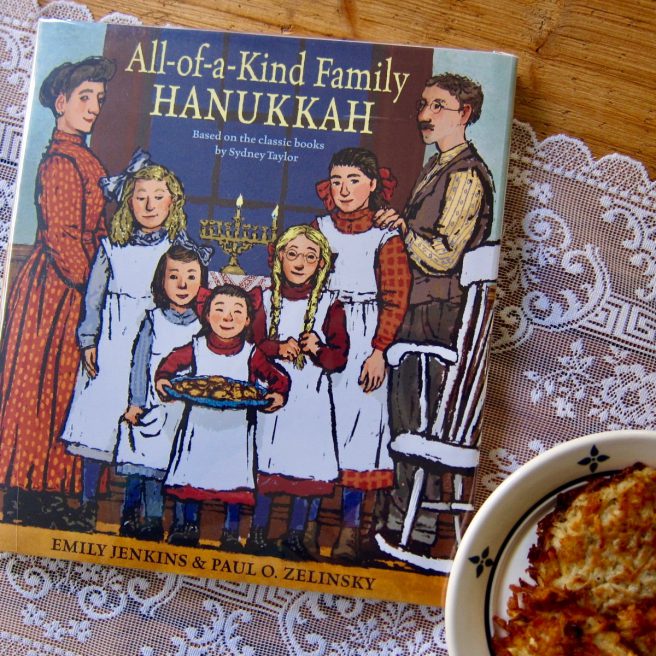
Months ago, when I first learned that Emily Jenkins and Paul O. Zelinsky were publishing a new picture book based on Taylor’s series, I reread all five books and fell in love with them all over again. So wonderful to feel the comforting embrace of this close-knit family and immerse myself in their turn-of-the-century world. I was once again charmed and captivated by Taylor’s writing, appreciating anew her ability to speak of and to a child’s heart with such candor and truth.
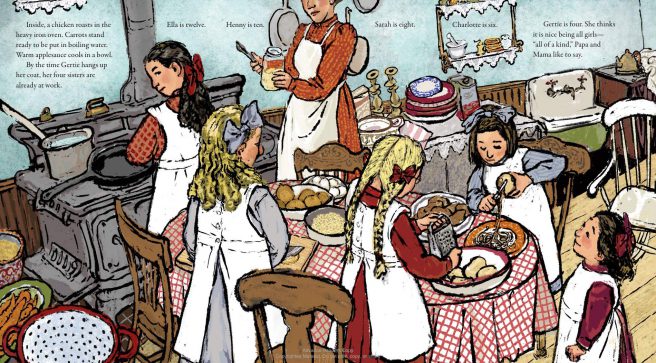
But I did wonder how Emily and Paul would be able to create the same kind of magic in a 40-page picture book. I needn’t have worried. I loveAll-of-a-Kind Family Hanukkah. In fact, it’s my favorite food-related picture book of 2018!
#57 in an ongoing series of posts celebrating the alphabet
By now, most of you know I’m a big fan of abecedarian poems.
Of course I like the foodie ones best. But food that mom used to make? Even better!
Many of the foods in Pat Brisson’s poem kindled fond childhood memories — times when “homemade,” “family,” and “love” flavored each delectable mouthful and provided enough nourishment to last a lifetime.
*
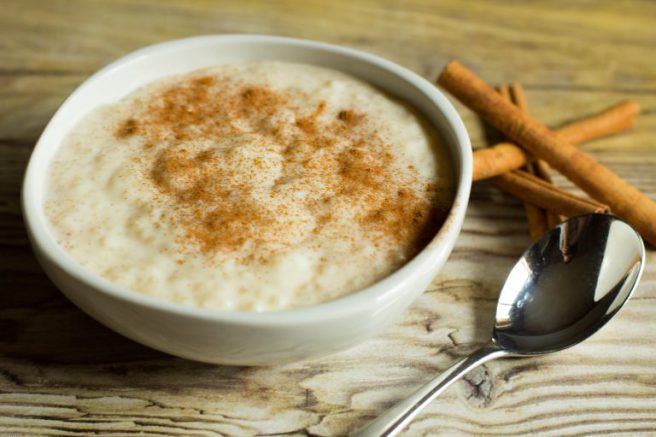
Cinnamon Tapioca Pudding via Thinking Outside the Sandbox (click for recipe)
FROM MY MOTHER’S KITCHEN: AN ALPHABET POEM by Pat Brisson
Food my mother made for us Food from A to Zed; Food she baked and cooked and boiled To keep her family fed.
Apple pie with a flaky crust made from Crisco,
Beef stew (with too much gristle),
Chocolate chip cookies from the Tollhouse recipe,
Dates stuffed with walnuts and coated with sugar,
Eggnog at Christmas time,
French toast with butter and cinnamon sugar,
Ginger ale (stirred until flat) for upset stomachs,
Hamburgers and hot dogs on the 4th of July,
Ice cream? Breyer’s coffee for her and Neapolitan for us,
Junket rennet custard, a slippery, slidey treat,
Ketchup on our meatloaf,
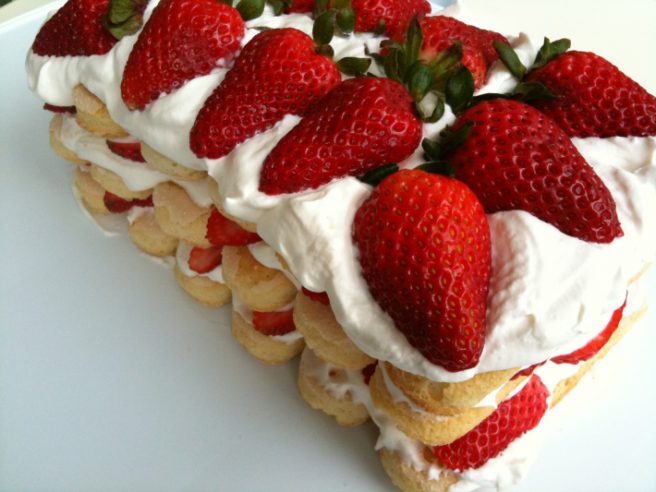
Ladyfingers with fresh strawberries and whipped cream,
Mincemeat pies at the holidays, (eaten only by the grown-ups),
Noodles, broad and buttery,
Oatmeal cookies flavored with lemon,
Potatoes, usually boiled,
Quick bread, mostly date and nut,
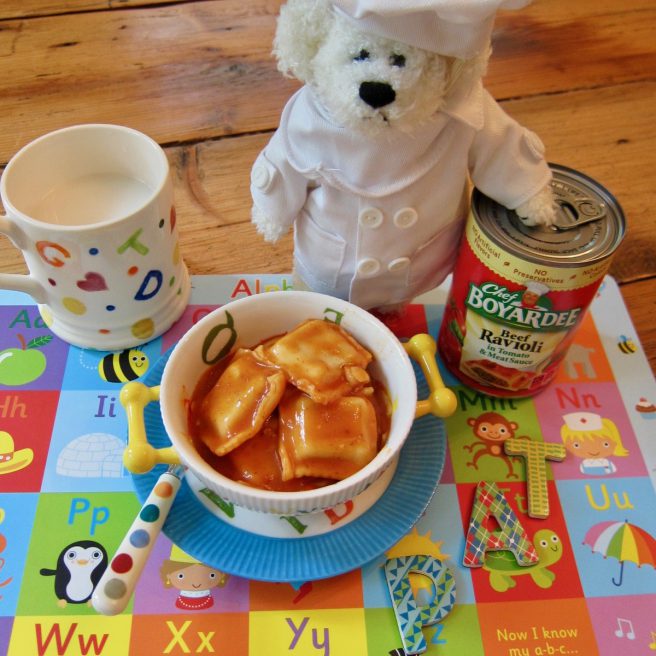
Ravioli from Chef Boyardee,
Spaghetti with meat sauce,
Tapioca pudding with cinnamon on top,
Upside down peach cake,
Vanilla pudding made from scratch, served over steamed apples and yellow cake,
Watermelon slices with too many seeds,
10X confectioners sugar dusted on top of lemon pound cake,
Yeast bread warm from the oven with butter melting into it,
Zwieback when we were very young.
Food my mother made for us Food from A to Zed; Food she baked and cooked and boiled To keep her family fed.
“Imagine, if you can, what the rest of the evening was like. How they crouched by the fire which blazed and leaped and made so much of itself in the little grate. How they removed the covers of the dishes, and found rich, hot, savory soup, which was a meal in itself, and sandwiches and toast and muffins enough for both of them.” ~ A Little Princess by Frances Hodgson Burnett
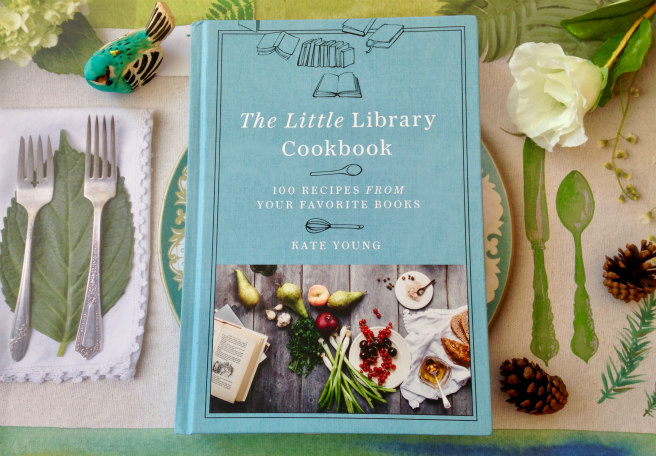
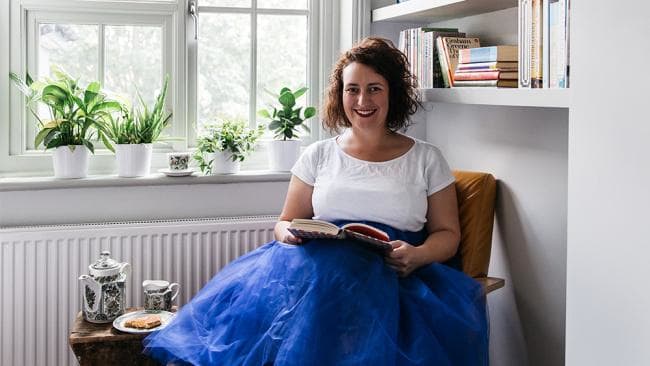
Reading Kate Young’s new cookbook is like sitting in the kitchen with a good friend and chatting endlessly about cherished stories while noshing on all manner of sweet and savory homemade treats.
Fancy a Room with a View iced coffee and meringue, a stack of Pippi Longstocking Swedish Pancakes, a slice of Moominland Pear and Lemon Birthday Cake, or a Franny and Zooey Chicken Sandwich?
If you’re a fan of her literary food blog, The Little Library Café, or read her Novel Recipes column in The Guardian, you know Kate is Australia-born, but now lives in London, where she works as a private cook and food writer who caters weddings and hosts regular supper clubs. With her lifelong passion for food in literature, she’s been able to strike a delicious chord with accessible, doable recipes and captivating personal stories.
The Little Library Cookbook: 100 Recipes from Your Favorite Books (Sterling Epicure, 2018),might be the most comprehensive literary cookbook I’ve come across in ten years of blogging, since it includes classic and contemporary works of fiction for both children and adults. It was just as much fun reading about old favorites as it was learning about new-to-me titles, which I’m anxious to read now that I know about all the food they contain. I certainly look forward to some stimulating bookish travel: what about Paris for tea (The Pursuit of Love by Nancy Mitford), Holland for warm cinnamon rolls (The Goldfinch by Donna Tartt), or Naples for pizza (My Brilliant Friend by Elena Ferrante)?
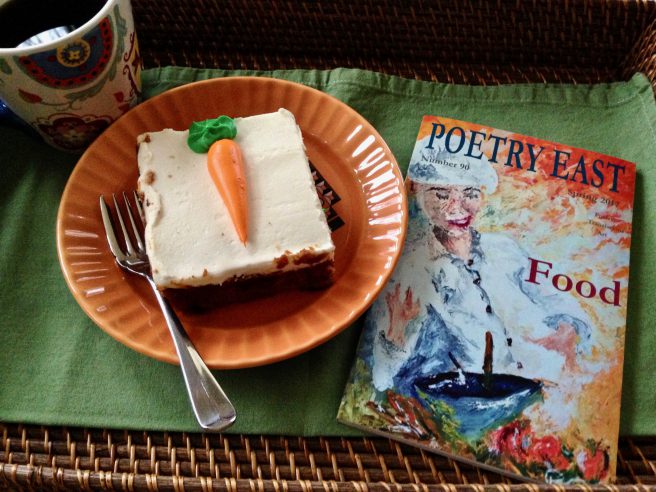
Lucky me, poet friend and kindred spirit Andrea Potos had the Poetry East Spring 2017 Food Issue sent to me shortly after it came out last year. You can bet I’ve been savoring and feasting on it ever since (thanks again, Andrea!).
This special issue, published by DePaul University, contains 49 poems presented in seven courses (truly the perfect meal), along with seven delectable recipes and a bevy of beautiful fine art paintings.
In the Main Course section, I was especially taken with Faith Shearin’s poem, “A Few Things I Ate.” The conversational style drew me in immediately, and I love how Faith built a captivating narrative with an embellished list of telling details, how she subtly wove in deeper regrets as well as fond memories. It’s wonderful how carefully chosen specifics can be so universally relatable.
Are we not all a product of what we’ve eaten throughout our lives? The countless foods, with their why’s and whens and wherefores, reveal our unique, personal stories.
I thank Faith for permission to share her poem, for answering my questions about it, and for her yummy recipe. Enjoy!
*
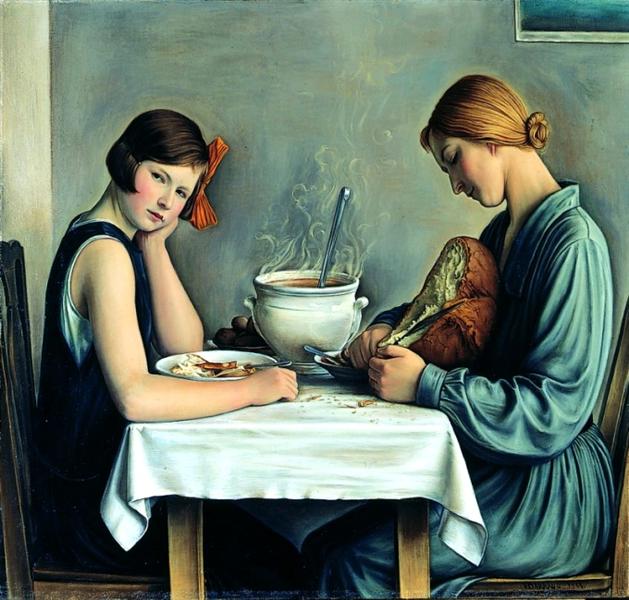
Tailleuses de soupe by François Barraud (1933)
A FEW THINGS I ATE by Faith Shearin
There are a few things I’m sorry I ate: a piece of fried chicken
in an all-night diner that bled when I cut into it,
a soup in an elegant French restaurant where I encountered
a mysterious ring of plastic. Also: a bowl of spaghetti served
with so many long strands of hair I wondered who,
in the kitchen, had gone bald. I’m sorry I ate the fast food
cookies that tasted like paper the same way I am sorry
I let certain men kiss me or hold my hand. I’m especially sorry
I ate a certain hot dog on a train that had been twirling for days
on a lukewarm display. Forgive me for all that cafeteria food
in college: packaged, bland, frozen so long it could not
remember flavor. And, hungry in my dorm, I ate bags
of stale lies from vending machines, once even a pair
of expired Twinkies filled with a terrible chemical cream
I am still digesting. After my daughter was born I bought
so much organic baby food my husband found the jars
everywhere: little glass wishes. One winter I ate exotic fruits
from upscale stores so expensive I might have flown instead
to a distant tropical island. Then, careless, I ate
from containers only my microwave understood. I know
what food is supposed to be but often isn’t; I know
who I might have been if I ate whatever I should have eaten.
Remember the time we ate Ethiopian food and spent
a week dreaming so vividly our real life grew pale?
Or the day we ate so much spice in our Thai food
that our mouths were softer? I’m not sorry I ate
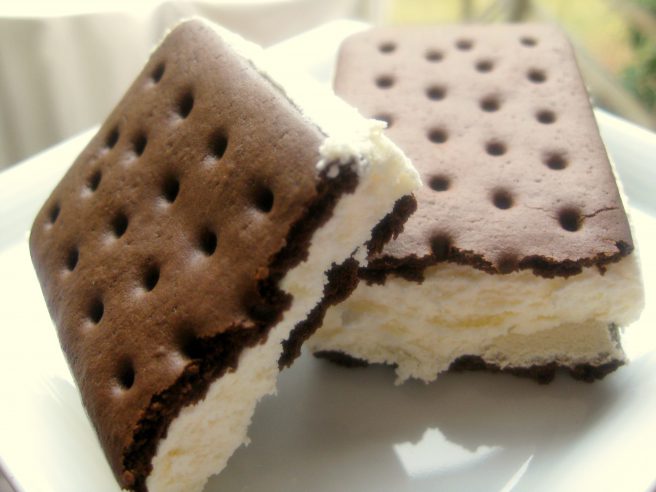
all those ice cream sandwiches from my grandmother’s
freezer and drank those Pepsis with her on the way
to Kmart to buy more pink, plastic toys. She liked
the way sugar made me lively, and anyway,
she was suggesting the possibility of pleasure.
She made a vegetable soup that simmered all day
on the stove: growing deeper, more convincing,
and a carrot cake with cream cheese icing that floated
on my tongue like love. Now I am middle-aged. I am fat
and eating salads or, before bed, talking myself
into rice cakes that taste like despair. My father
is diabetic and must have everything whole wheat
and lean and my sister can’t have any salt. I’m sorry
I ate all that cereal when we first got married,
by myself in the kitchen, the milk pale and worried.
Remember how I covered my fruit with cheese
and mayonnaise? I’m not sorry, whatever
you might say. Then there were the lunches
we ate on the beach, watching the seals
sun themselves: thick chicken sandwiches wrapped
in a foil so silver they must have been valuable.
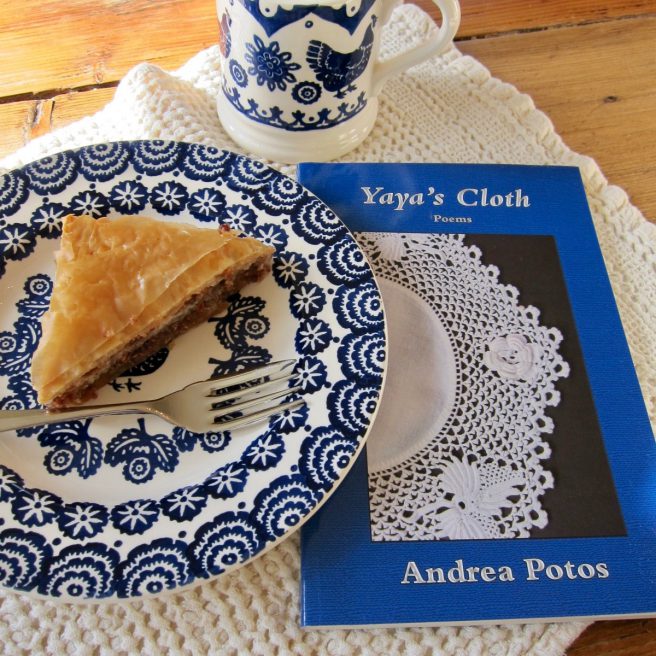
I’m loving Andrea’s family stories and the celebration of her Greek heritage. I appreciate the nod to domesticity and strong women — matriarchs who passed on their skills and knowledge to each succeeding generation.
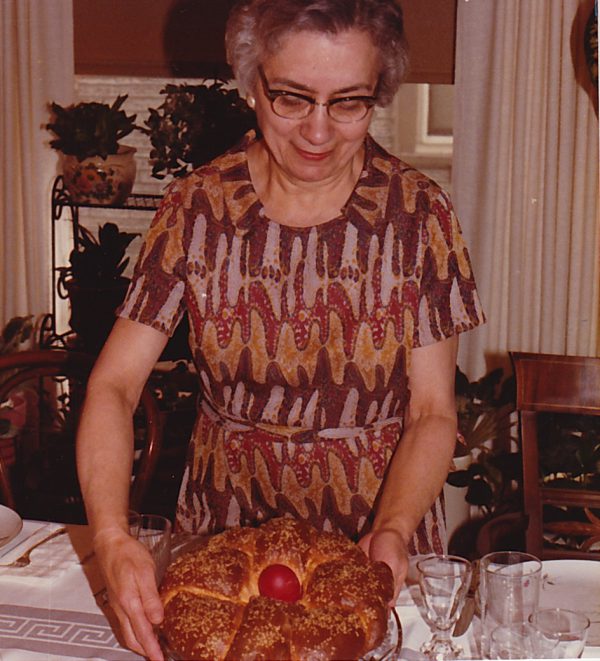
Yaya with her Greek Easter bread.
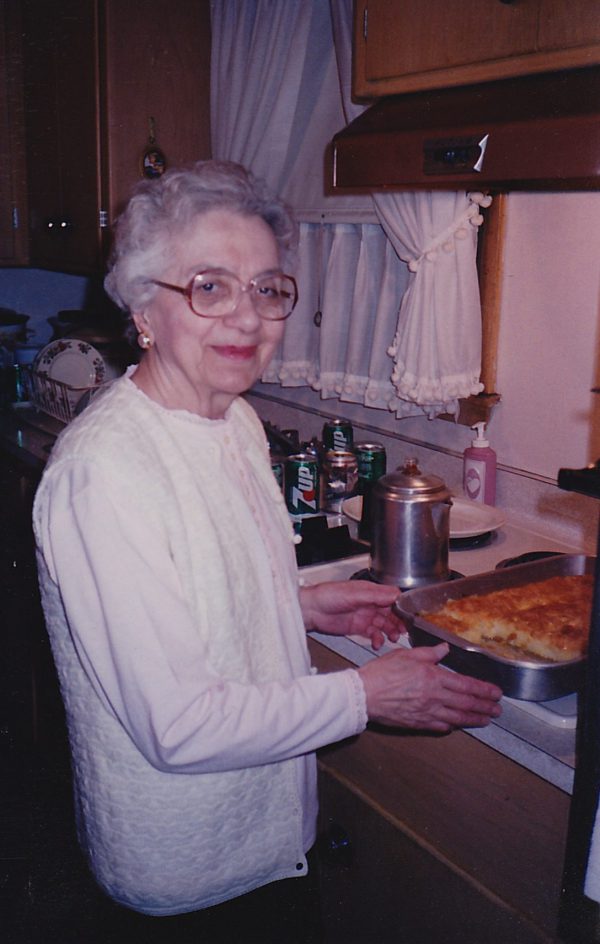
Andrea had a very special relationship with her grandmother (Yaya). As I read Andrea’s lyrical depictions of their time together, I can picture them baking, chatting, and laughing in floured aprons, bonding over loaves of bread and batches of cookies. It is easy to feel the love.
Yaya in her kitchen with a Greek dessert called galaktoboureko (semolina custard in filo).
Today, I’m honored to feature a poem from Yaya’s Cloth that I’m sure will whet your appetite for more. Andrea has graciously shared a bit of backstory as well as Yaya’s recipe for baklava. And special thanks to her for the wonderful personal photos. Yum!
 Jama's Alphabet Soup