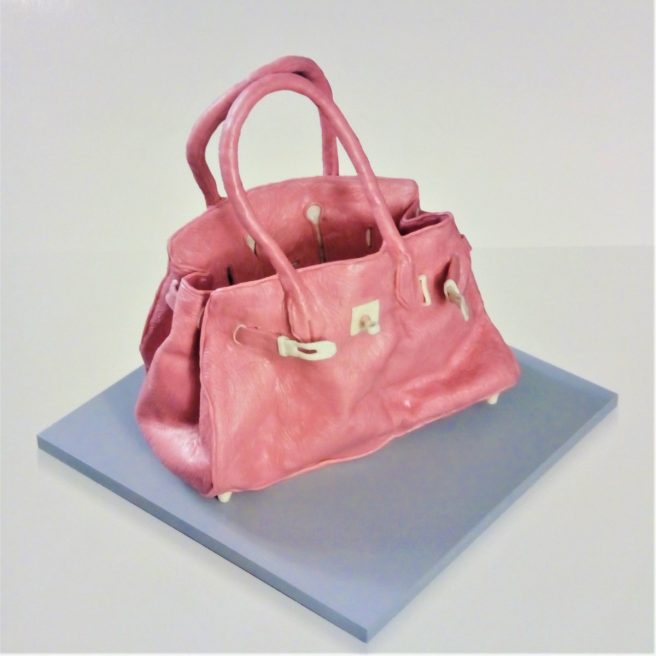
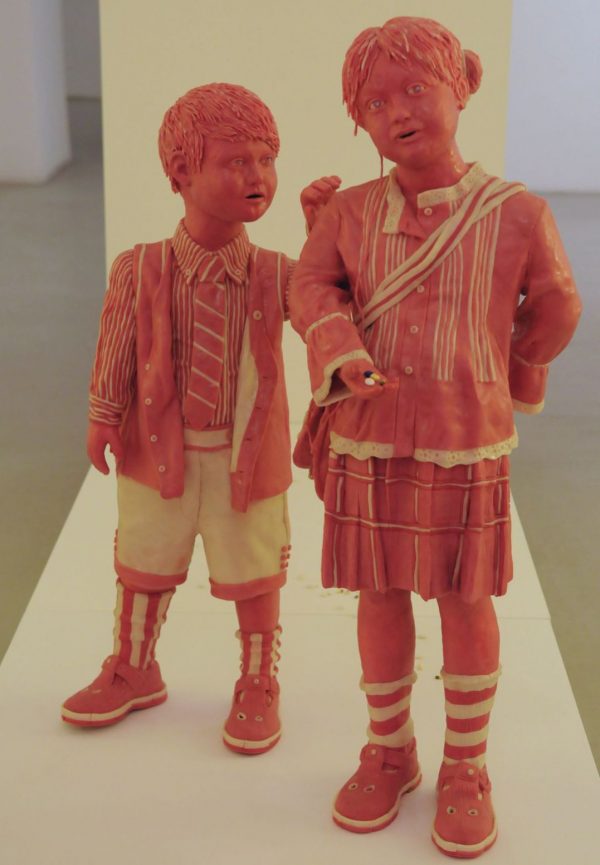
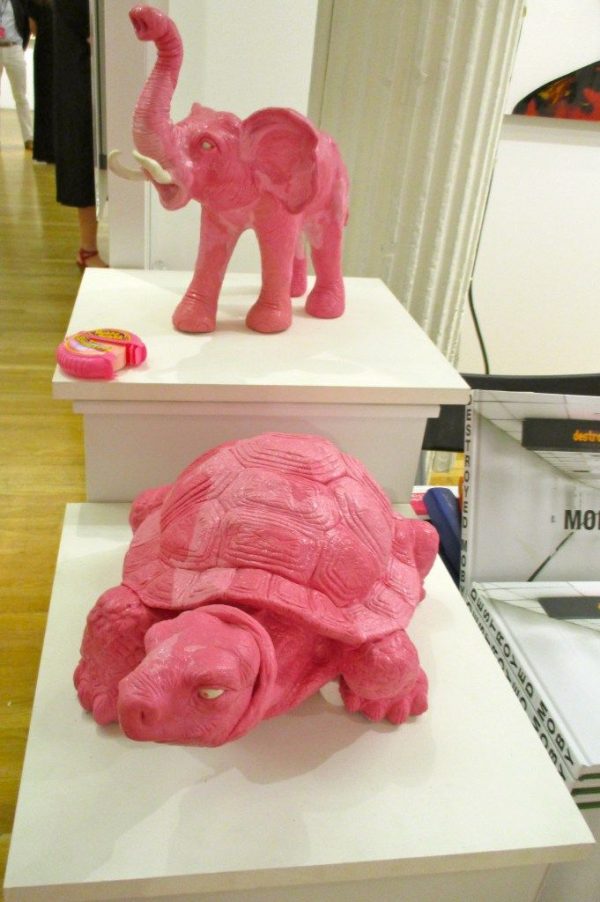
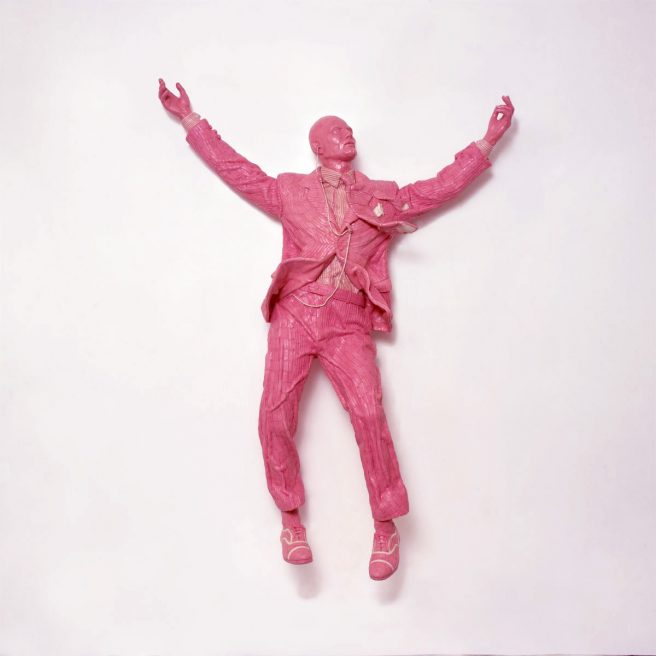
1.Think pink and chew on this: behold the crazy cool bubblegum sculptures of Rome-based artist Maurizio Savini!
Yes, I did say bubblegum. Don’t worry, he doesn’t have to pre-chew his chosen medium. Two assistants help him soften bricks of the stuff into malleable sheets before they’re applied to plaster molds like traditional clay, and then carved with a razor-sharp scalpel.
His subjects include animals, objects from pop culture, and people — sometimes for the purpose of political or social commentary (“pink represents artificiality — when you see it, you associate it with a fake world”). He’s been working with bubblegum for over 20 years, and his pieces are exhibited in galleries all over the globe.
Since bubblegum cannot typically be recycled or composted, Savini’s art is a creative way of “stretching the boundaries of environmental conscientiousness.” Oh, and don’t worry, his sculptures are preserved with a special mixture of antibiotics and formaldehyde, so they can be enjoyed for generations to come. 😀
*
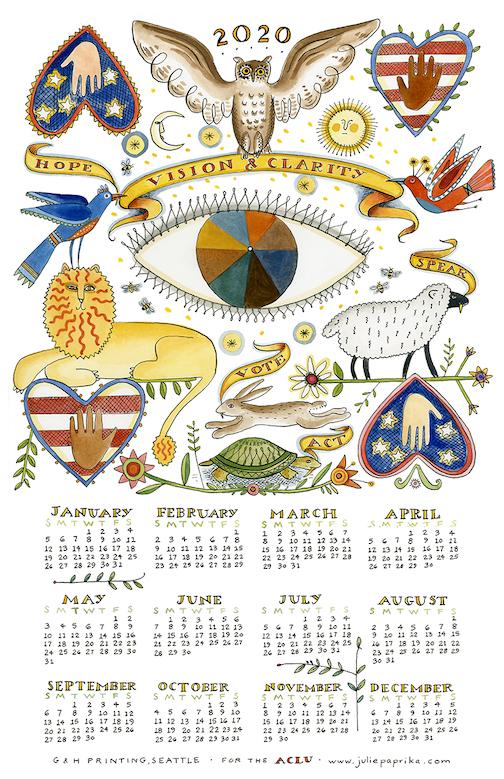
2. It’s time to order your 2020 Julie Paschkis Vision Calendars!
This 2020 Vision Calendar is a one page poster, printed on heavy stock, 11″ x 17″. The watercolor and ink drawing celebrates the hope that our democracy will be strengthened and the rights of all protected – that 2020 will be a year of clarity and vision in the United States.
Each calendar costs $12. The entire $12 for each calendar sold goes to the ACLU. They make great gifts. Please get several of them! Shipping is free for 5 calendars or more.
A great cause, a beautiful calendar! Zip over to Julie Paprika to place your order.
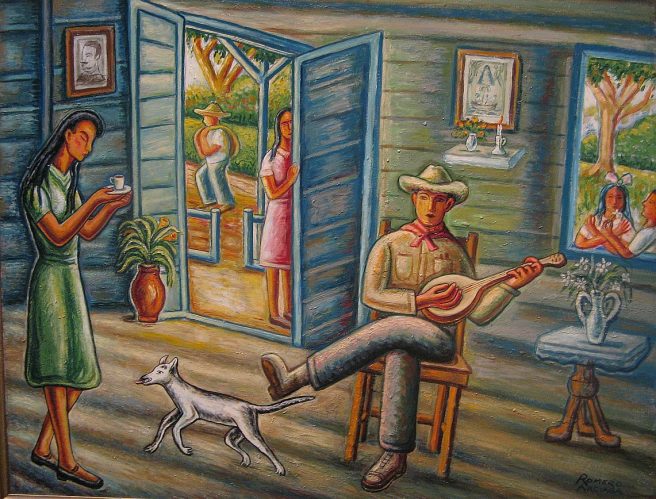
“The Cup of Coffee” by Cuban artist Lorenzo Romero Arciaga (1940)
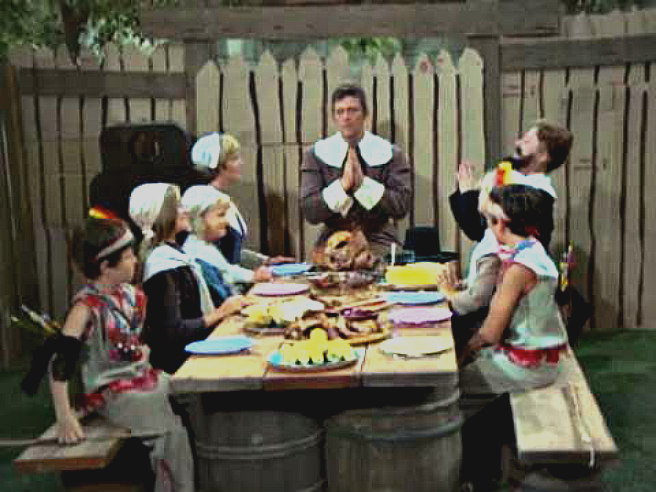
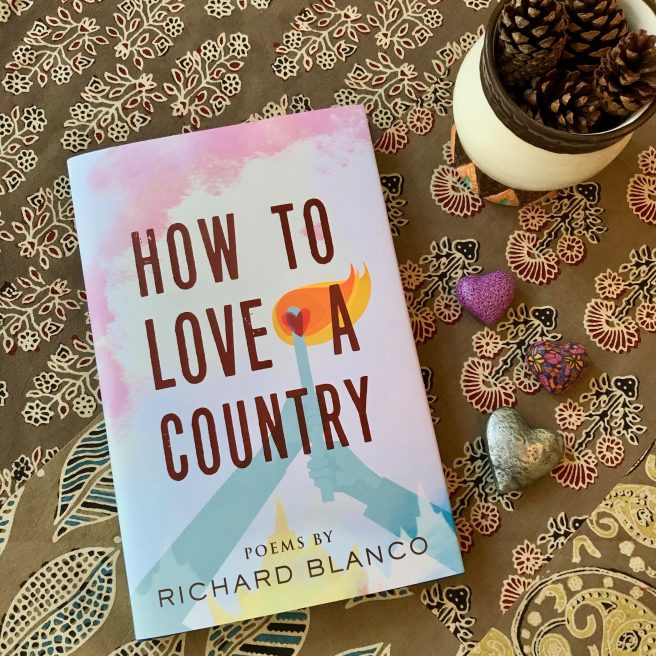
When Presidential Inaugural Poet, author and civil engineer Richard Blanco was growing up in Miami with his Cuban-exile family during the early 70’s, he longed to be a “true American” like one of the kids in “The Brady Bunch.”
He describes it as living between two imagined worlds:
One world was the 1950s and ’60s Cuba of my parents and grandparents — that paradise, that homeland so near and yet so foreign to where we might return any day, according to my parents. A homeland that I had never seen . . .
The other, less obvious world was America . . . Typical of a child, I contextualized America through food, commercials, G-rated versions of our history in textbooks and television shows, especially The Brady Bunch. More than a fiction or fantasy, I truly believed that, just north of the Miami-Dade County line, every house was like the Brady house, and every family was like them.
Much of Blanco’s poetry centers around his search for cultural identity. Over and over, he asks the questions, “Where is my home? Where am I from? Where do I belong?”
When he was a graduate student at Florida International University, he wrote the following poem, inspired by a childhood memory of wanting an “authentic” Thanksgiving meal.
Do you remember how you felt right after the 2016 Presidential election? How the world as you knew it suddenly upended? I was devastated and filled with such dread — but I never imagined it could get this bad.
In this powerful poem, Presidential Inaugural Poet Richard Blanco describes our new reality in painful detail.
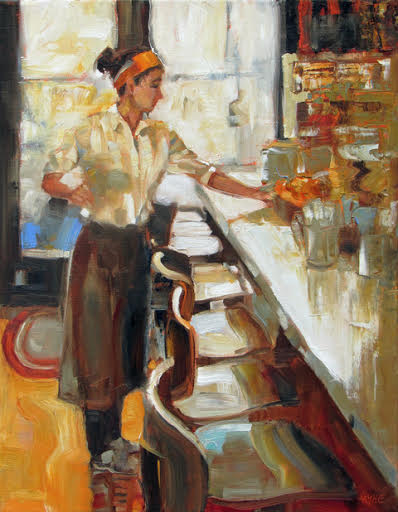
“Small Town Diner” by Layne Cook
NOVEMBER EYES by Richard Blanco
I question everyone, everything, even the sun
as I drive east down Main Street — radio off–
to Amy’s diner. She bobby-pins her hair, smiles
her usual good mornin’ but her eyes askew say
something like: You believe this? as she wipes
the counter, tosses aside the Journal Times —
the election headlines as bitter as the coffee
she pours for me without a blink. After a cup
and a blueberry muffin I remember my bills
are due by the fifteenth — so I cross on Main
to the post office. Those American flag stamps
are all Debbie has left. I refuse to buy them:
a never mind in my eyes which she dismisses
with a gesture of suit yourself. Bills can wait,
but not my dog’s treats or the milk I’m out of
— so I drive up Main again to the Food Basket. Paper or plastic, Jan asks me at the checkout,
but it doesn’t matter. What matters is this:
she’s been to my bar-b-ques, I’ve donated
to her son’s football league, we’ve shoveled
each other’s driveways, we send each other
Christmas cards. She knows I’m Latino and
gay. Yet suddenly I don’t know who she is
as I read the button on her polyester vest: Trump: Make America Great Again, meaning
she doesn’t really know me either. We manage
smiles when she hands me my change, but
our locked eyes say: nothing — so I dash off —
go see Tom at the bank to cash a measly check
from some grand magazine for some grand
poem of mine loaded with some grand words
like transcend, as if my inked verbs could bend
a river’s will, shuffle stars, change the fate of
our nation, or the blur in Tom’s eyes thinking
what I think of our reflection on the bullet-
proof window, asking: So now what, Mr. Poet?
I can’t answer. I can only remember today
I’m supposed to buy a rake, lightbulbs, nails
to hang my aging mother’s photos — so I swing
by Union Hardware, see Dan who knows me,
and what I need. He rings me up, doesn’t say Goodbye, says Good luck, as if his eyes can see
the uncertainty in my own, worried about:
my immigrant cousin, factory jobs, groped
women, hijabs, blacklists, bans, the church,
the deep state, cops, race, and which lives
matter, hacked votes, refugee camps, dead
children, missiles, suicide bombers, carbon
footprints, polar bears, sunk islands, my gay
marriage, the bills for my preexisting ulcer
flaring, guns at malls, guns at schools, guns
at clubs, more guns, more corporate rights,
soulless cubicles, the empty Supreme Court
seats, the border wall, bullying, the demise
of language, news, the silence of suspicion,
the uneasy guessing, the surprise of who’s
who, the cheers and gloating, or jeers and
swearing, the final picking of sides, right or
left, red or blue state, city, or town, but no
grey today except for the November clouds
looming over Main Street with all the rest
of our unrest, arrested in our eyes clashing
against each other’s glares, ready for battle.
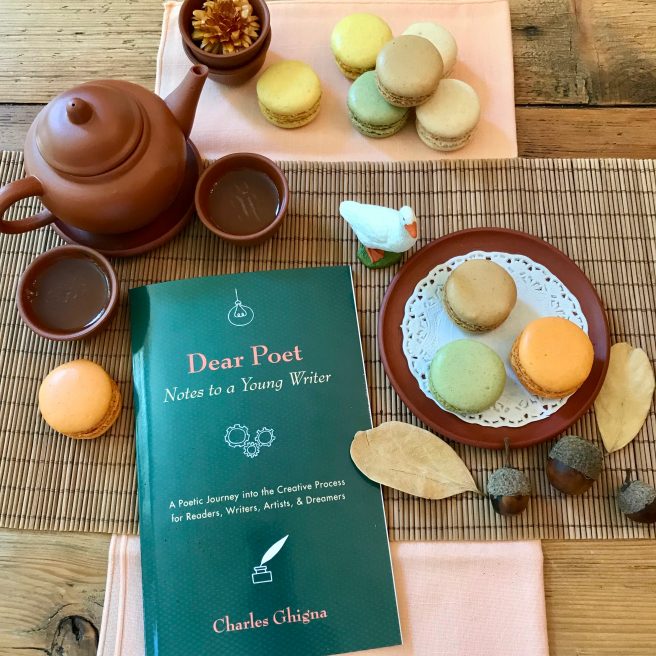
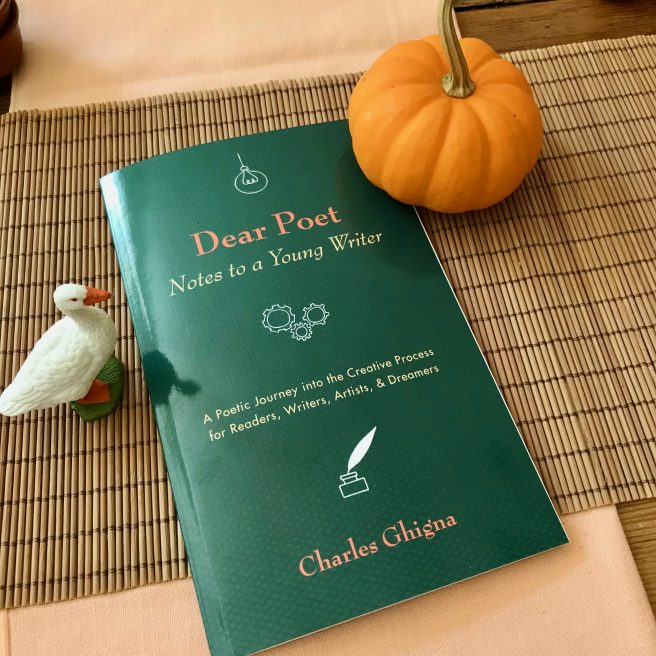
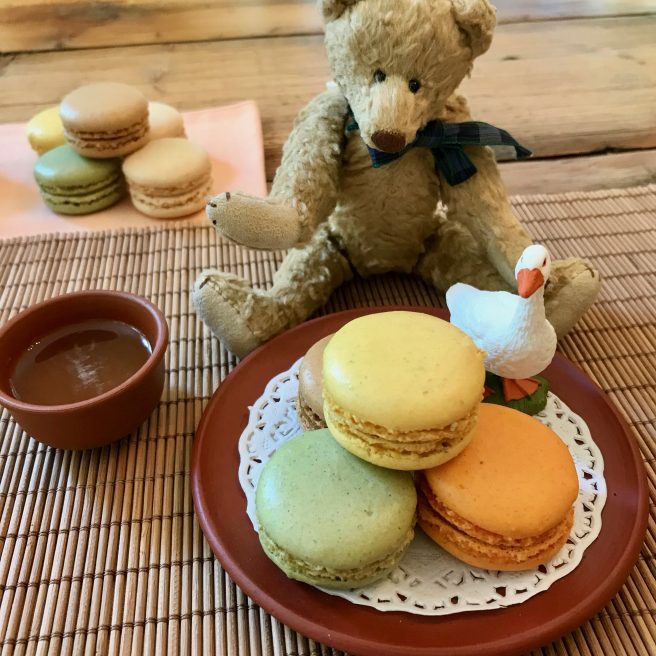
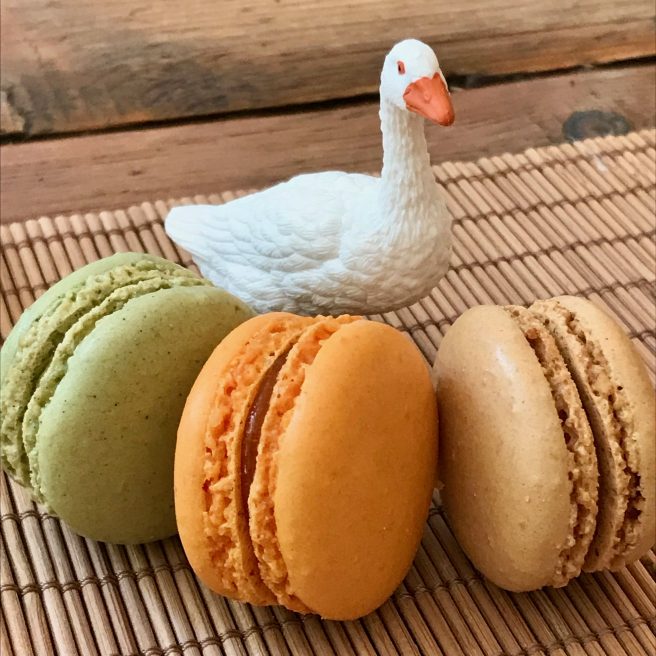
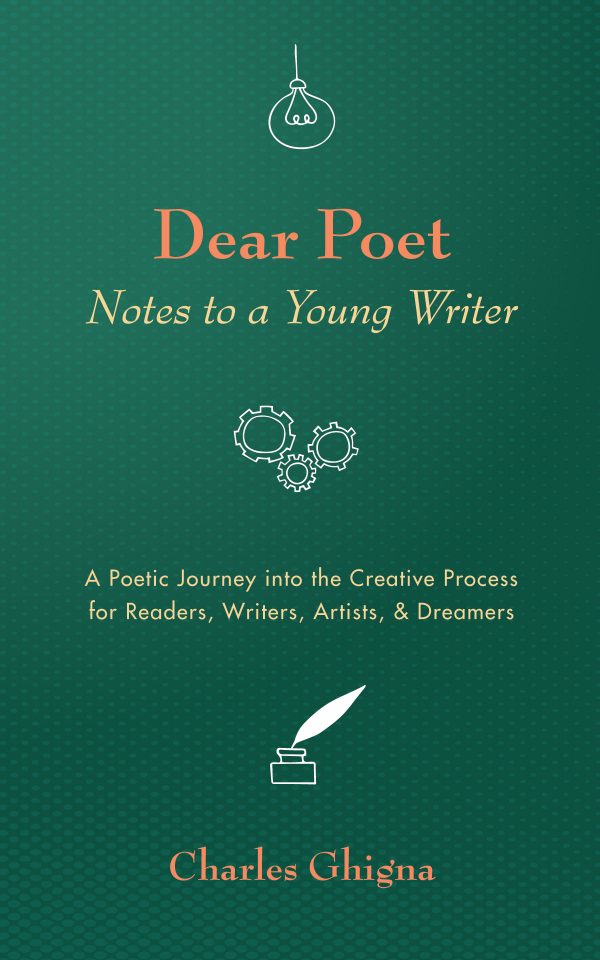
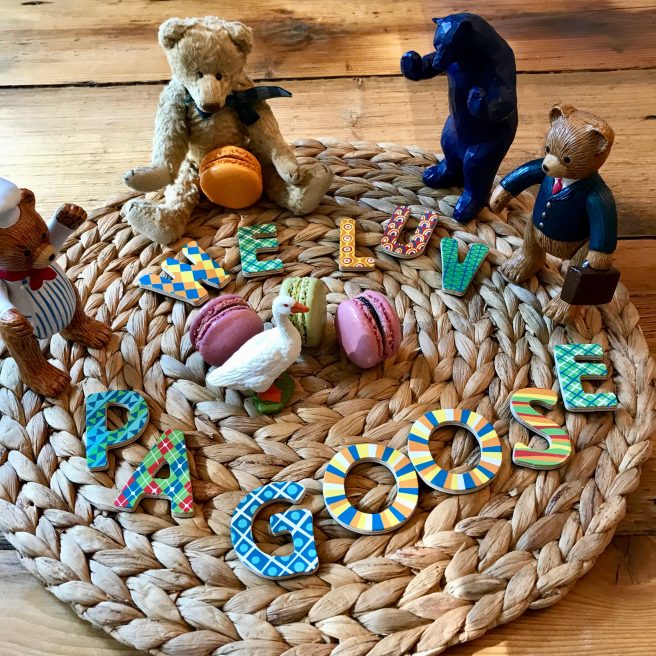
Today, just for you — sip some tea, nibble on a macaron, and gently savor Charles Ghigna’s heartening and beautifully crafted reflections on creativity.
Described as, “A Poetic Journey into the Creative Process for Readers, Writers, Artists & Dreamers,” this collection of twenty-four spare, unadorned “word-gems” is an insightful gift to all creatives, offering both invaluable advice and spiritual nourishment.
As I enter my seventh decade on this planet, I wonder what words of wisdom I might have written to the younger me. What treasured tidbits have I learned along the way? What could I leave in a letter to young artists and poets searching the world for advice, guidance, and inspiration.
The creative process is a mysterious one, muses can be fickle, and in endeavors where one’s reach almost always exceeds one’s grasp, the life of the artist can be daunting and lonely.
I have always believed that in a sense, you cannot actually “teach” someone how to write, just as you cannot teach someone how to think or how to feel. And while there are many helpful books about honing your craft with suggestions about form, structure, voice, etc., detailing the more technical aspects of writing, sometimes what a writer needs, or craves . . . are simple, enduring truths gleaned from years of experience.
As I read the short yet profound poems, I silently cheered in affirmation. Yes, trust your instincts, speak the truth in your heart, find your authentic voice, get out of your own way and let the work speak for itself. Only write if you must.
Dear Poet is like having a trusted friend nearby, reminding you of what is most important. Though the subtitle is, “Notes to a Young Writer,” these words are for everyone, no matter where you are on your creative journey. Aren’t all artists and writers eternally young (in a constant state of beginning)?
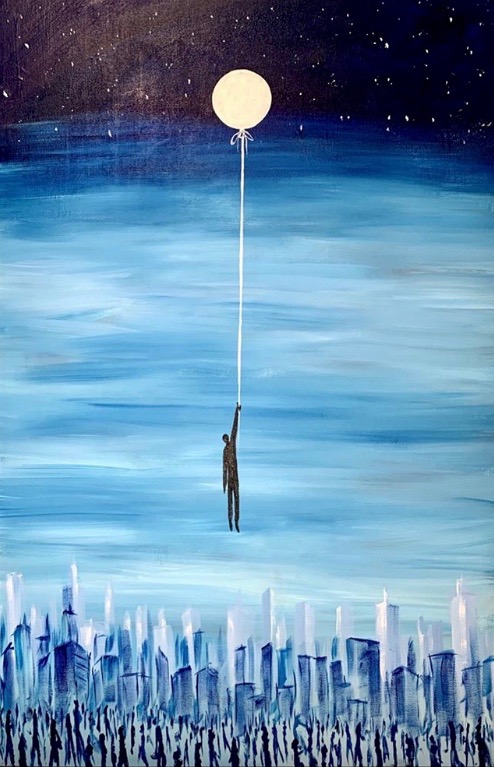
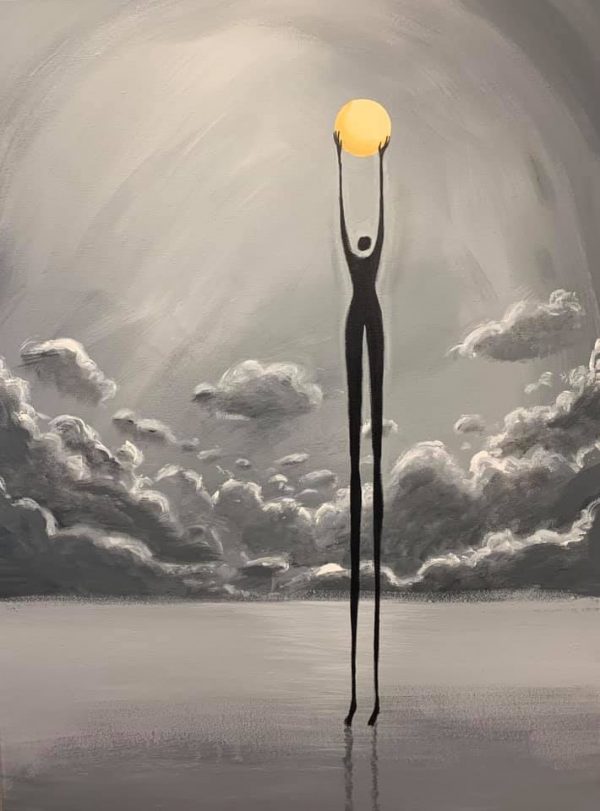
I’m pairing today’s poems with art created by Charles’s son Chip, who also lives and works in Homewood, Alabama. As you can see, artistic talent runs deep in this family (Charles’s wife Debra is also a poet).
Good things do come in small packages. Read these delectable nuggets slowly and ponder . . . 🙂
*
“Hang Onto Your Dreams” (acrylic on canvas)
XII.
A silent rhyme upon the page is what the poet gives,
gentle words whispered in trust to see if memory lives.
*
“Raising the Moon” (acrylic on canvas)
XVII.
A poem is a rising moon shining on the sea,
an afterglow of all you know, of all your dreams set free.
*
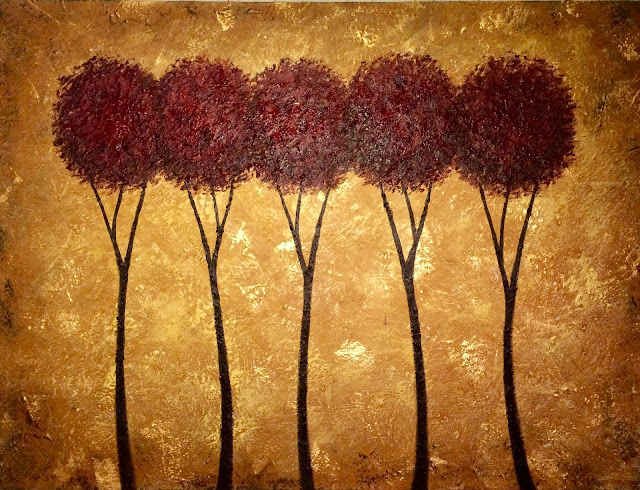
“Crimson Forest” (acrylic and gold leaf on canvas)
XXIV.
The answer to the artist comes quicker than a blink,
though the spark of inspiration is not what you might think.
The muse is full of magic, though her vision may be dim.
The artist does not choose the work. It is the work that chooses him.
*
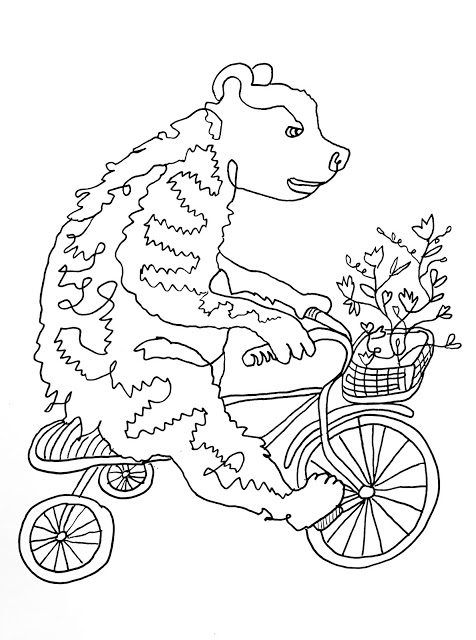
“Bear on a Bicycle”
Now, please leave your links with the dashing Mr. Linky below. Have fun visiting all the blogs serving up delectable poetic goodness this week!
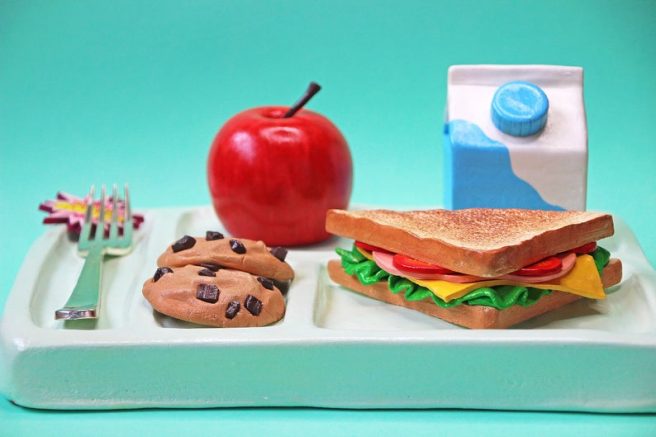
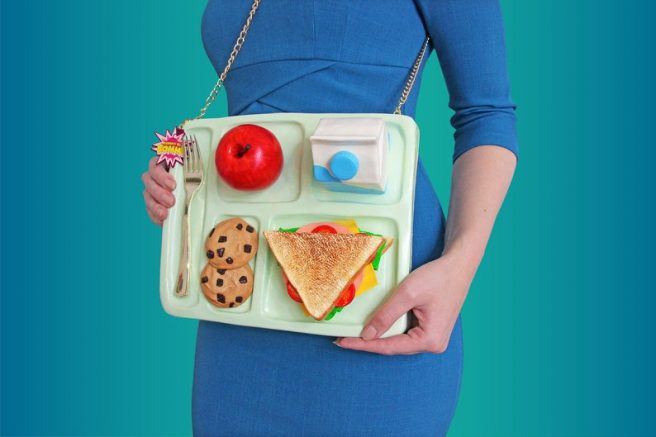
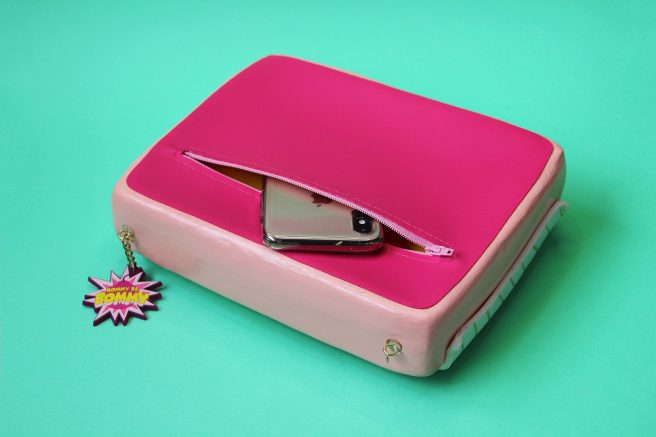
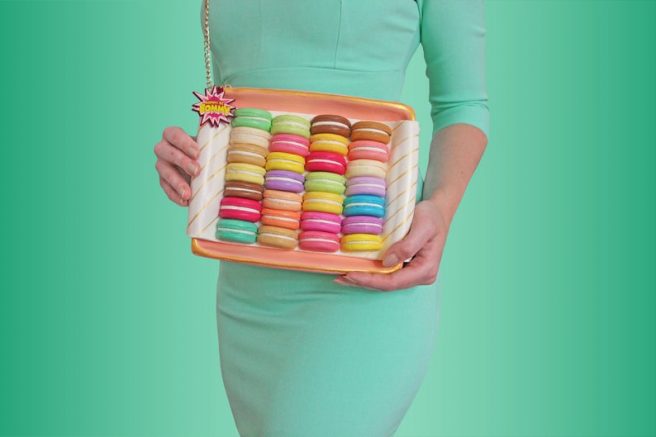
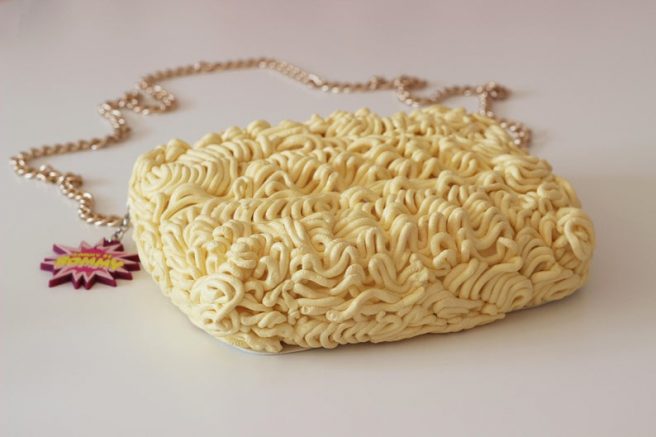
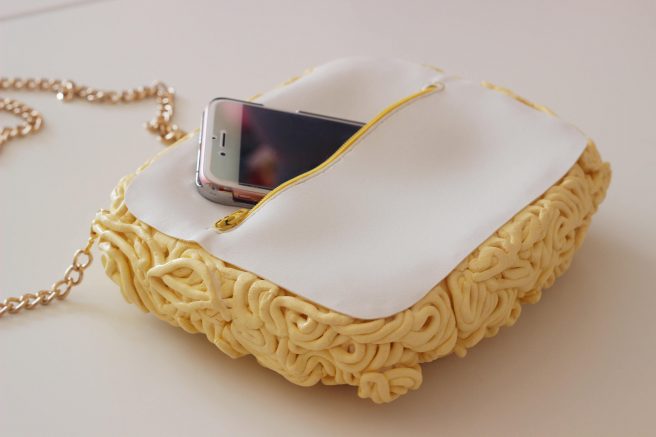
1. Hungry for a little lunch? Not so fast — you may have a little trouble actually eating this one, since it’s actually — *wait for it* — a purse!
Yes, Rotterdam based artist Rommy Kuperus is still creating her amazing, over-the-top accessories for fashion forward peeps who enjoy wearing their food.
And why not? Rommy’s pieces are handmade, totally calorie free and 100% eye-catching fun. You may remember when we interviewed Rommy a few years back. Glad to see she’s still going strong and bringing out new designs all the time.
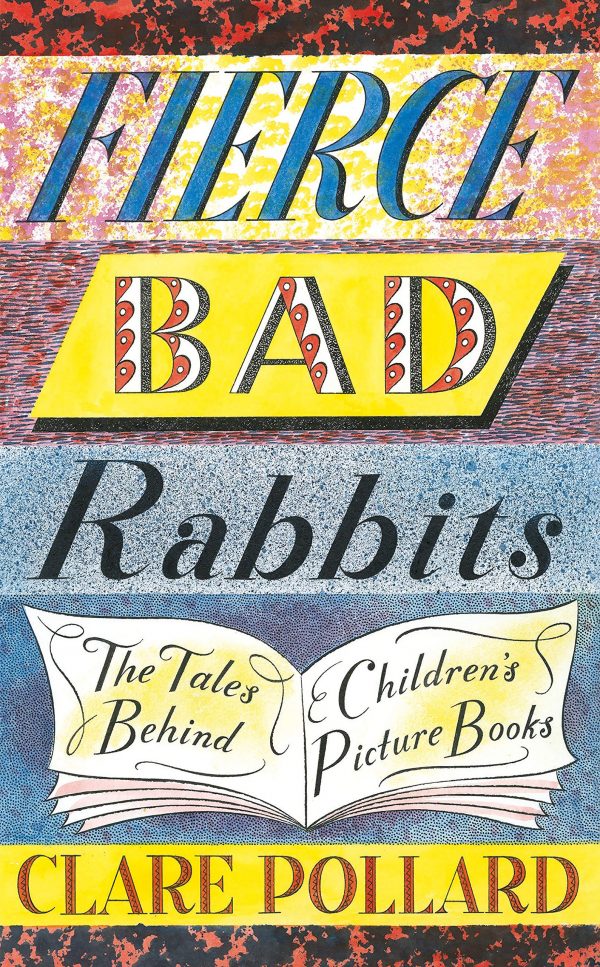
What is The Tiger Who Came to Tea really about? What has Meg and Mog got to do with Polish embroidery? Why is death in picture books so often represented by being eaten?
We’ve read Green Eggs and Ham, laughed at Mr Tickle and whetted our appetites with The Very Hungry Caterpillar. But what lies behind the picture books that make up our childhood?
Fierce Bad Rabbits takes us on an eye-opening journey in a pea-green boat through the history of picture books. From Edward Lear through to Beatrix Potter and contemporary picture books like Stick Man, Clare Pollard shines a light on some of our best-loved childhood stories, their histories and what they really mean. Because the best picture books are far more complex than they seem – and darker too. Monsters can gobble up children and go unnoticed, power is not always used wisely, and the wild things are closer than you think.
Sparkling with wit, magic and nostalgia, Fierce Bad Rabbits weaves in tales from Clare’s own childhood, and her re-readings as a parent, with fascinating facts and theories about the authors behind the books. Introducing you to new treasures while bringing your childhood favourites to vivid life, it will make you see even stories you’ve read a hundred times afresh.
Clare is a British poet and playwright whom I was not previously familiar with. Now I’m going to have to check out her poetry too! And, in case you’re wondering, the cover art for this book was created by fave British illustrator Emily Sutton. 🙂

 Jama's Alphabet Soup