Remember eating an icy cold Popsicle® on a warm summer’s day when you were little? Your lips would freeze as you licked, slurped, and bit into it, the juice running down your chin. And then, when you were done, you proudly stuck out your tongue to show everyone how it had turned red, orange, or purple.
But for all the Popsicles® you’ve enjoyed in your lifetime, did you ever wonder who actually invented them? You may be surprised to hear it was an 11-year-old boy.
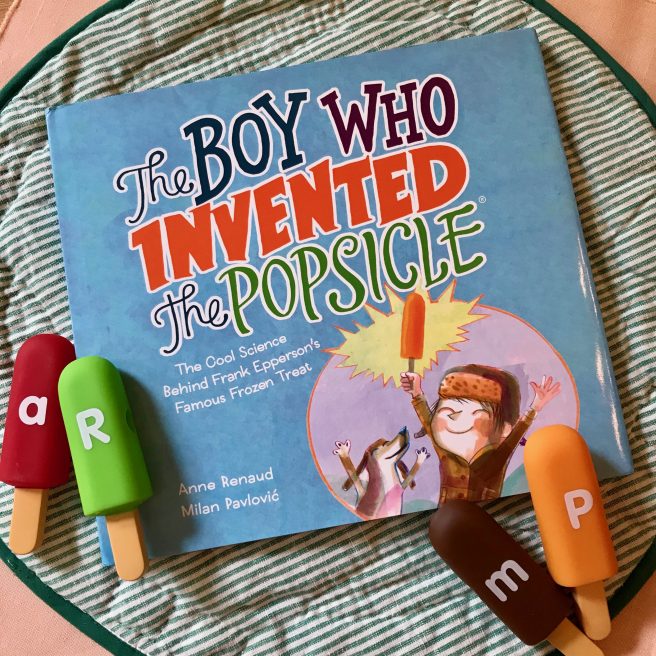
In their delightful new picture book, The Boy Who Invented the Popsicle: The Cool Science Behind Frank Epperson’s Famous Frozen Treat (Kids Can Press, 2019), author Anne Renaud and illustrator Milan Pavlović serve up all the frosty essentials in colorful, lickalicious detail.
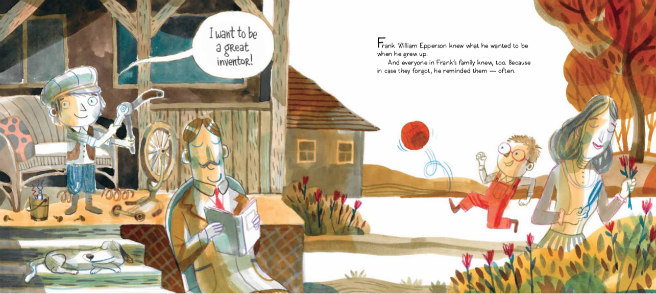
Inquisitive, bright, and enterprising, California native Frank Epperson was born with the heart and mind of an inventor. As a boy, he “pondered important questions,” such as:
Do goldfish sleep?
Do ants have ears?
Do woodpeckers get headaches from pecking all day?
His ability to direct positive energy towards developing his ideas proved advantageous early on. Since inventing required experimentation, he was constantly doodling, designing, tinkering, testing, analyzing and scrutinizing.
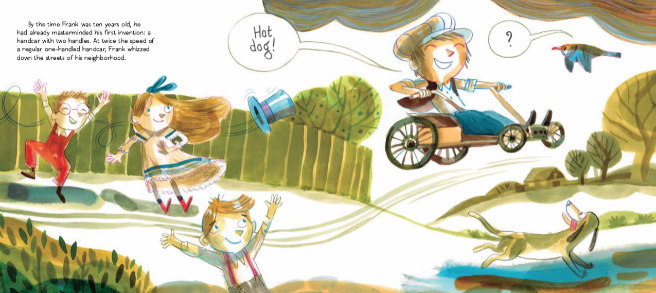
By the time he was ten, “he had already masterminded his first invention: a handcar with two handles,” which ran twice as fast as one-handled cars. How he loved whizzing around the neighborhood in it!
Frank also enjoyed experimenting with liquids, especially flavored soda waters. He “had his heart set on inventing the yummiest, most thirst-quenching, lip-smacking soda water drink ever!”

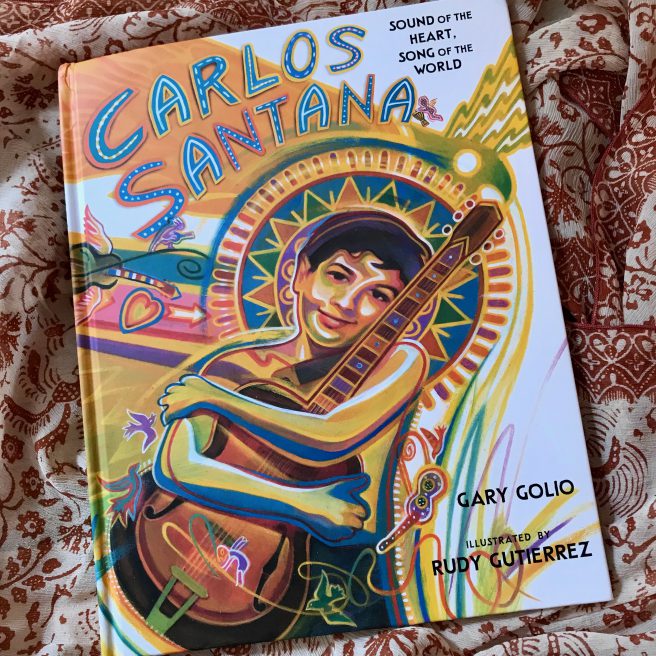
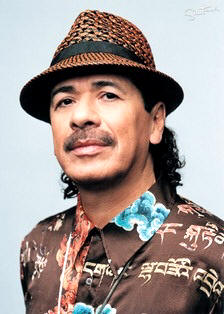 Santana pioneered a unique fusion of rock, blues, jazz, and Latin, African and Cuban rhythms in the late 60’s and early 70’s — a distinctive sound that continues to electrify audiences today. With early hits like “Black Magic Woman” and “Evil Ways,” the rare addition of percussion instruments (congas, timbales) to guitar and organ flavored the music with an old world, positively primal feel. The aptly named, strictly instrumental “Soul Sacrifice,” with its driving polyrhythms and rousing solos, pulsates with an energy that fairly inhabits the listener, taking him/her on a transformative musical journey.

 Jama's Alphabet Soup