
“Your work should be in praise of what you love.” ~ Ralph Waldo Emerson

The best cooks know that sometimes it’s those intangible ingredients that can make or break a recipe.
A certain slant of light, a sprinkling of happy anticipation, a generous cup of love. Two people can prepare the same dish with notably different results. That’s because cooking is a transformative process — part magic, part spiritual, part meditative. Every cook brings his or her own je ne sais quoi to the table.
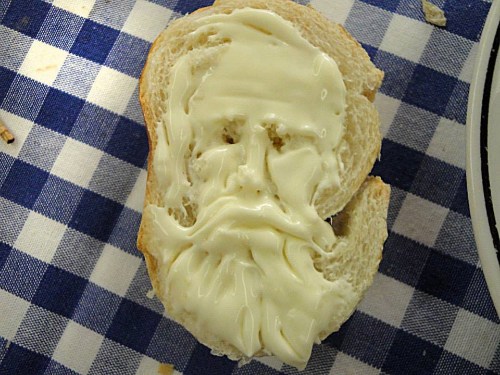
In Mr. Emerson’s Cook by Judith Byron Schachner (Dutton, 1998), we see what happens when Irish cook Annie Burns finally discovers what special ingredient she must use to help employer Ralph Waldo Emerson regain his appetite.

Fact and fiction are interwoven in this beautifully written gem of a story, which takes place at Emerson’s home in Concord, Massachusetts, where he lived with his second wife Lidian and their three children.

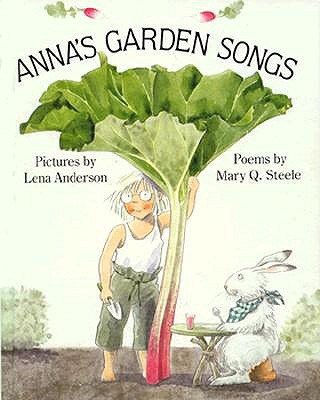 Garden favorites like peas, potatoes, tomatoes, lettuce, cabbage, beets and onions take their place in the sun with playful rhyming verse and Lena’s fanciful pictures. I may as well confess right now that I’ve always had a thing for giant vegetables, so when I saw how Lena fiddled with scale in this book I squealed with delight. 🙂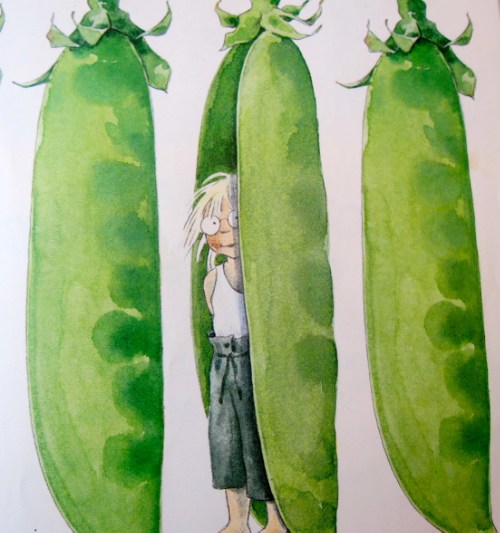

 Though he was deliciously famous during Victorian times and has been called the first celebrity chef, today Soyer is curiously the man history forgot.





 Jama's Alphabet Soup