friday feast: hamming it up

IMG_0335

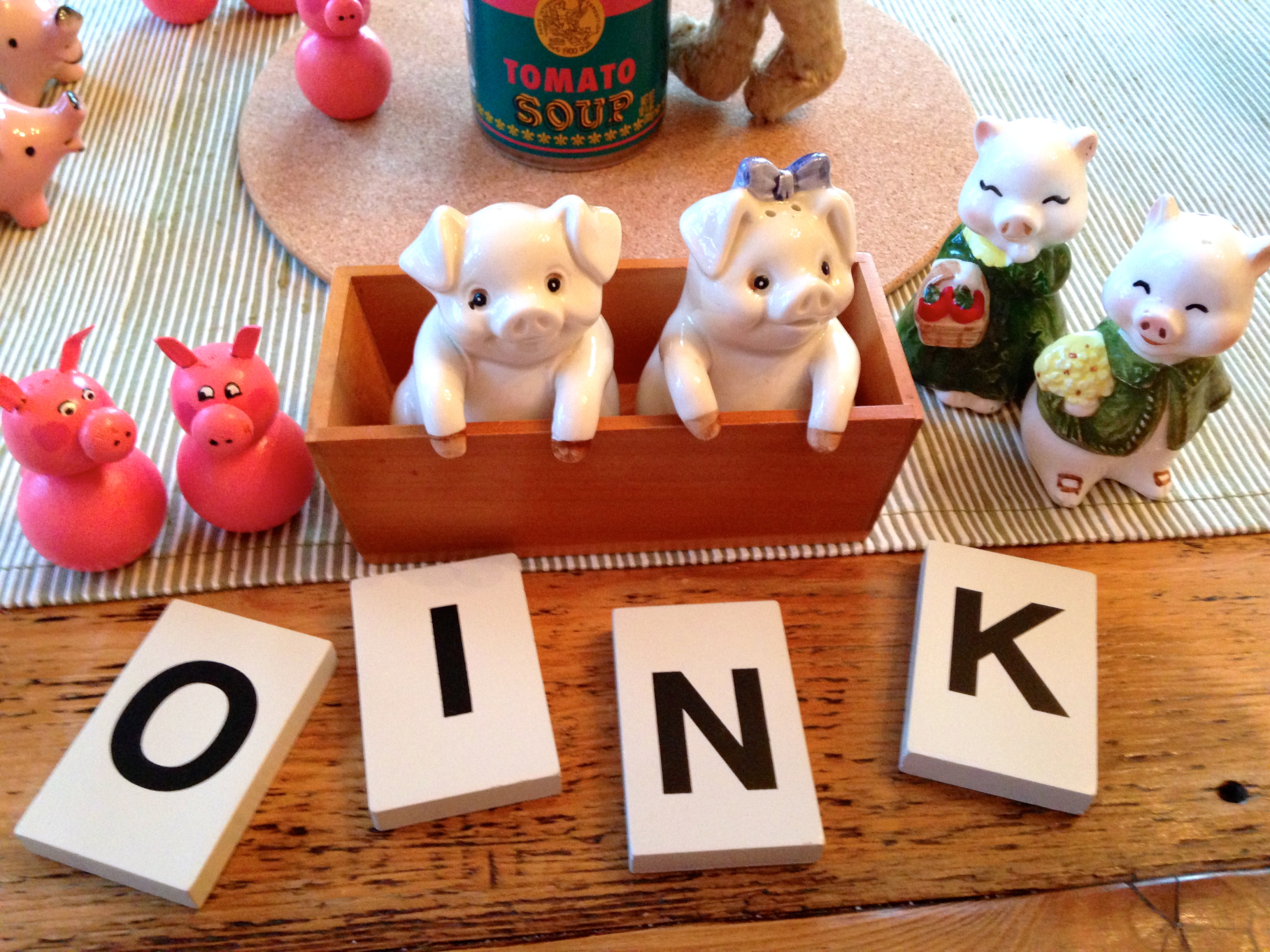
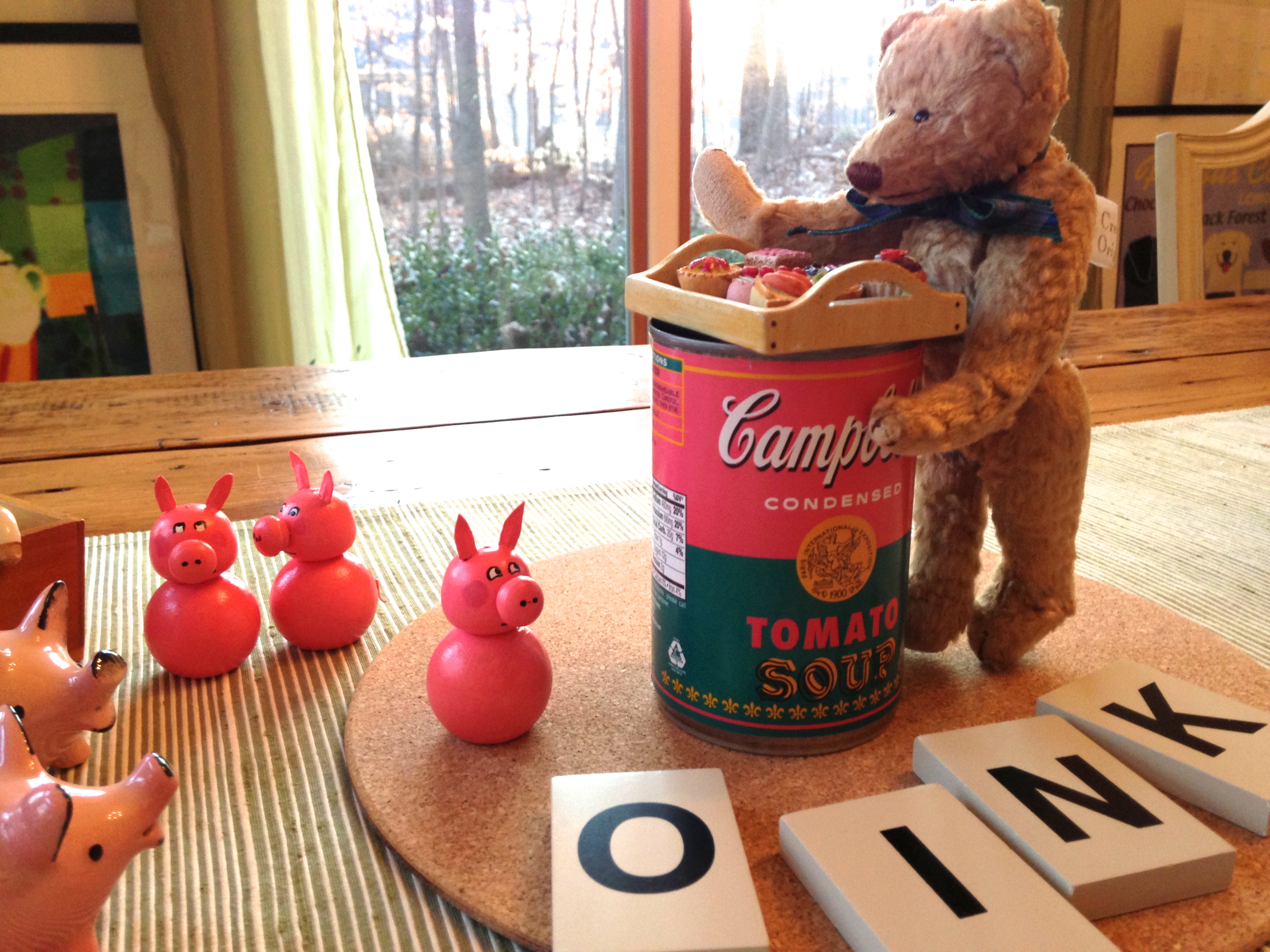
Oinkity oink oink.

Happy March!

It’s National Pig Day!

Gather round, ye swines, sows, piglets and poetry-loving porkers. We’re mud-wallowingly happy to squeal your praises today. Surely none other in the animal kingdom is as clean, intelligent, belly beautiful or lick-the-fat-off-your-face tasty!

*pork fat reverie*

IMG_0343
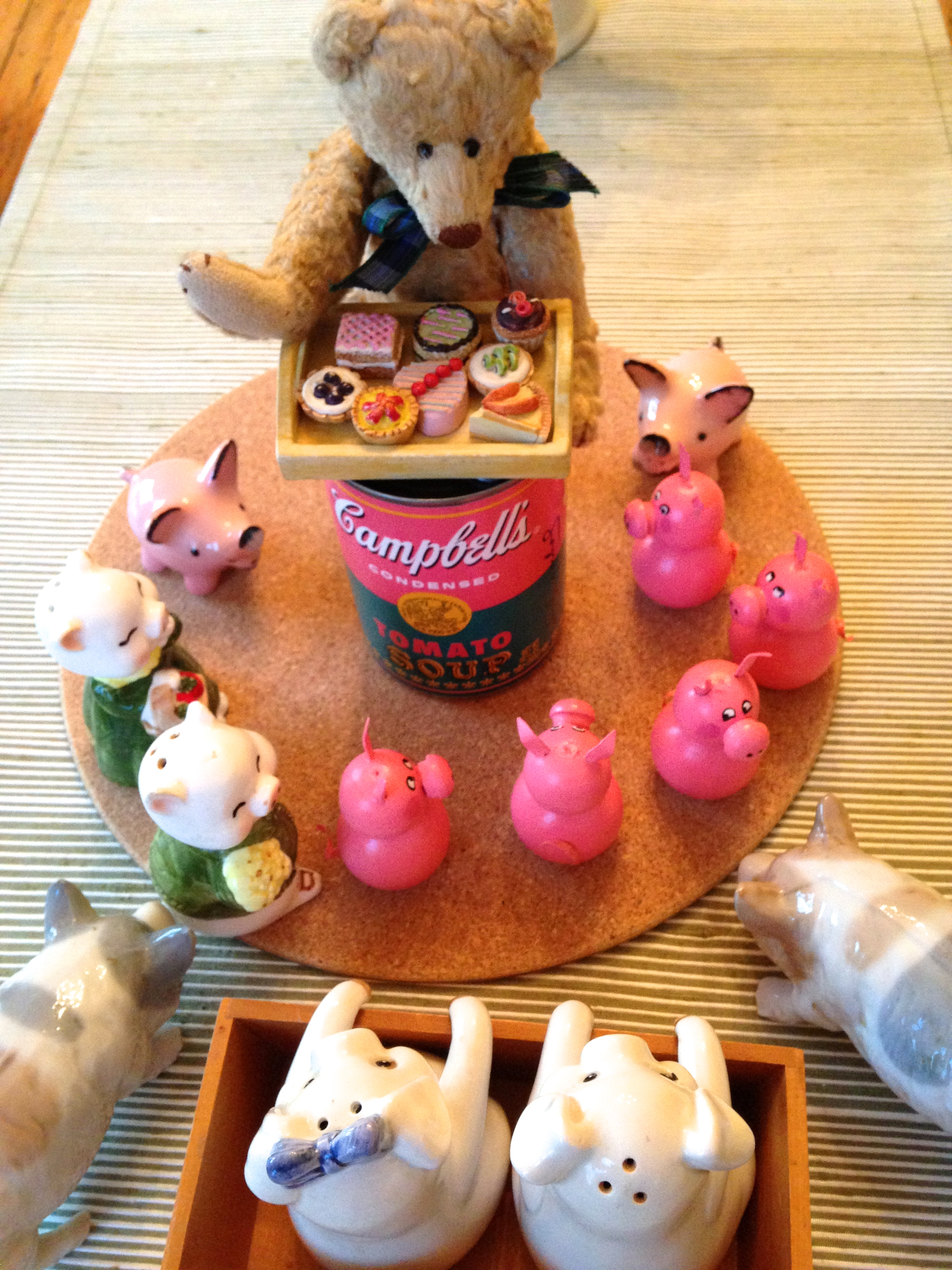
Mr. Cornelius delivering the keynote address at the 2013 Alphabet Soup Pig Day Conference.
IMG_0330
Captive audience hangs on his every word.
IMG_0320
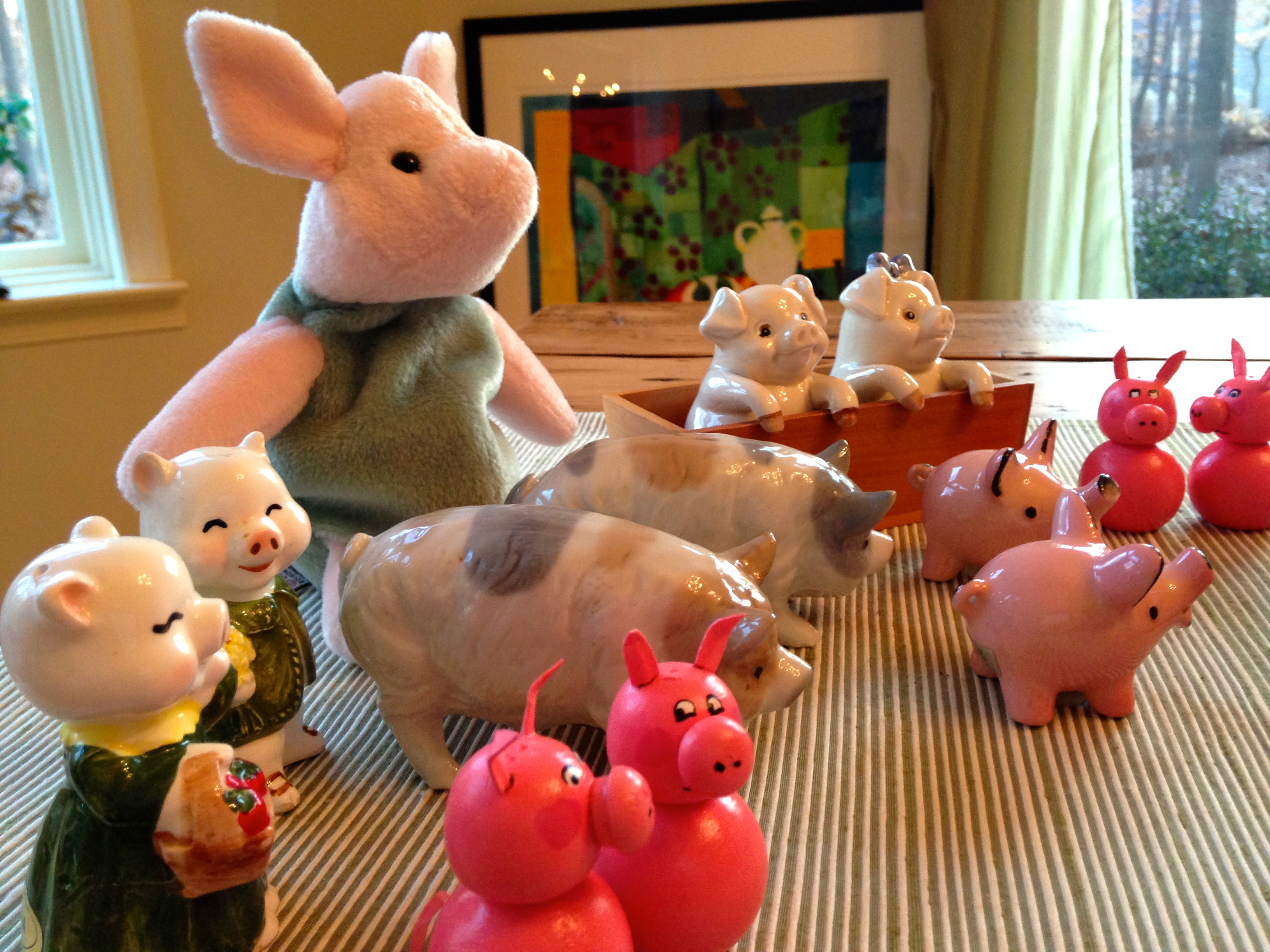
“Now, let’s talk about that flying thing . . . “

Where would we be without our Sunday morning slices of crispy bacon, our juicy honey-baked Easter ham, our Wednesday night pan-fried pork chops with biscuits and gravy, our fall-off-the-bone bourbon-glazed baby back ribs? Oh, tempt me with your tenderloin, your coy cutlets, your heavenly hocks! Whether sausage, shoulder or bountiful butt, you alone wear the Crown.

To barbecue or not to barbecue — that’s not even a question. Aye, there’s the dry rub.

*trit trot, trit trot*

Continue reading

celebrating george washington’s birthday with hoecakes and hospitality

IMG_0237

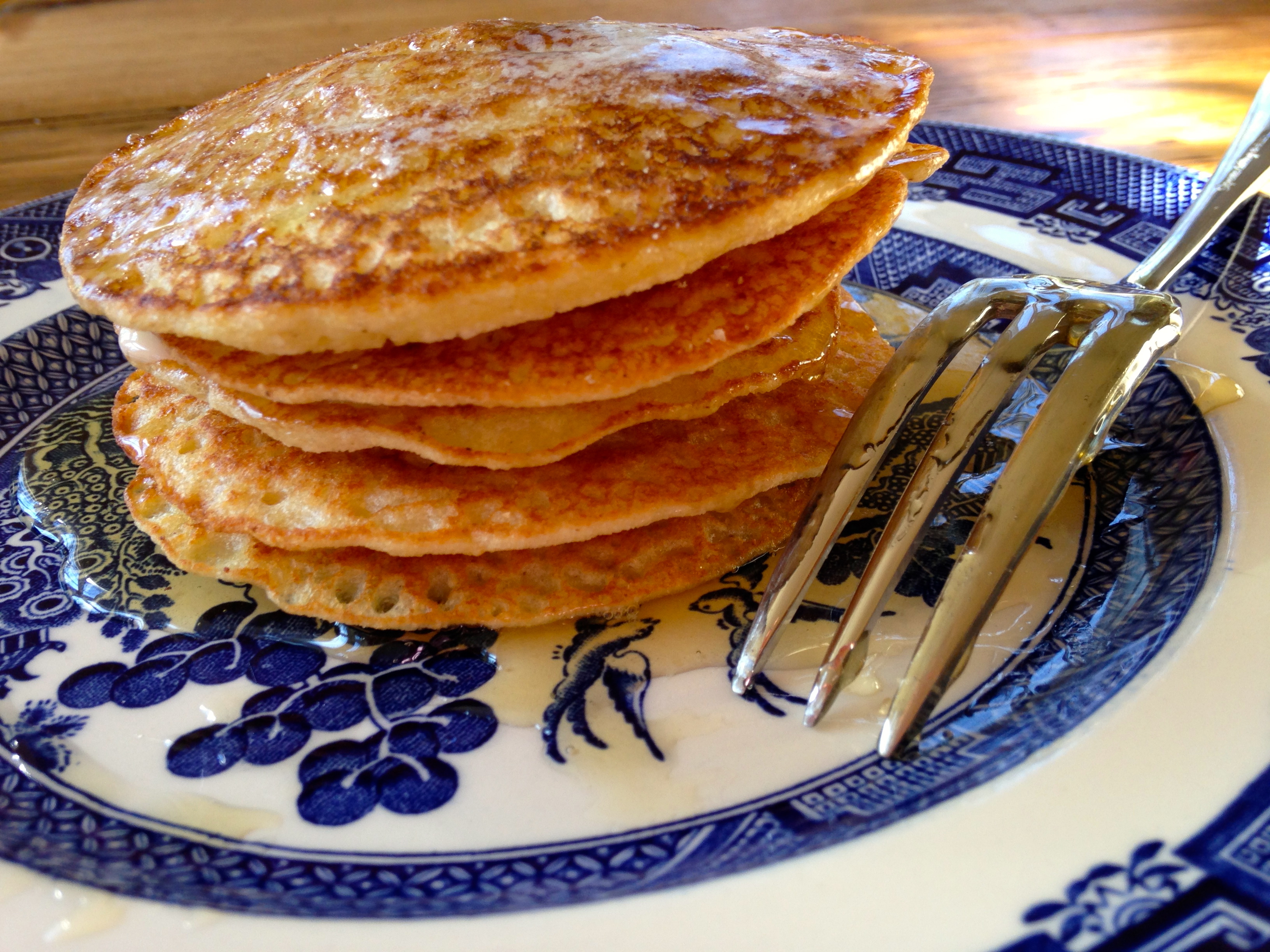
This year, we celebrated President’s Day with a return visit to Mount Vernon and by whipping up a batch of George Washington’s favorite hoecakes.

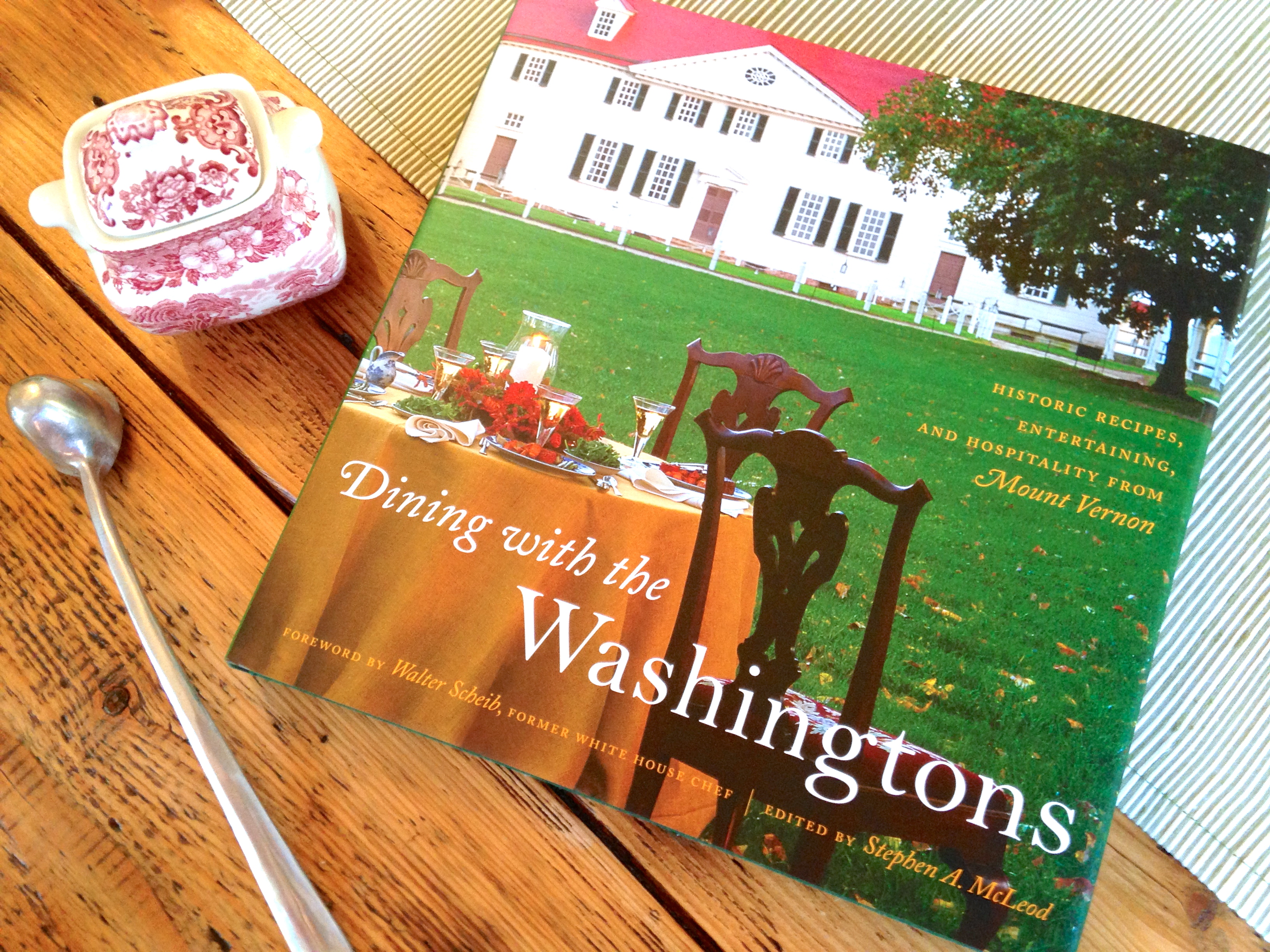
After reading Dining with the Washingtons: Historic Recipes, Entertaining, and Hospitality from Mount Vernon (Mount Vernon Ladies’ Association, 2011), I was especially anxious to check out “Hoecakes and Hospitality: Cooking with Martha Washington,” a special exhibition at the new Donald W. Reynolds Museum and Education Center, a truly fabulous place with its many galleries and theatres, interactive displays, fascinating exhibits and 700+ objects illuminating the style, taste, and personalities of the Washingtons, their life at the Estate, the presidency and the Revolutionary War.

IMG_0293

* * *

Continue reading

♥ miss edna lewis, my valentine ♥

“So many great souls have passed off the scene. The world has changed. We are now faced with picking up the pieces and trying to put them into shape, document them so the present-day young generation can see what southern food was like. The foundation on which it rested was pure ingredients, open-pollinated seed—planted and replanted for generations—natural fertilizers. We grew the seeds of what we ate, we worked with love and care.” ~ Edna Lewis (“What is Southern?”)
IMG_0222

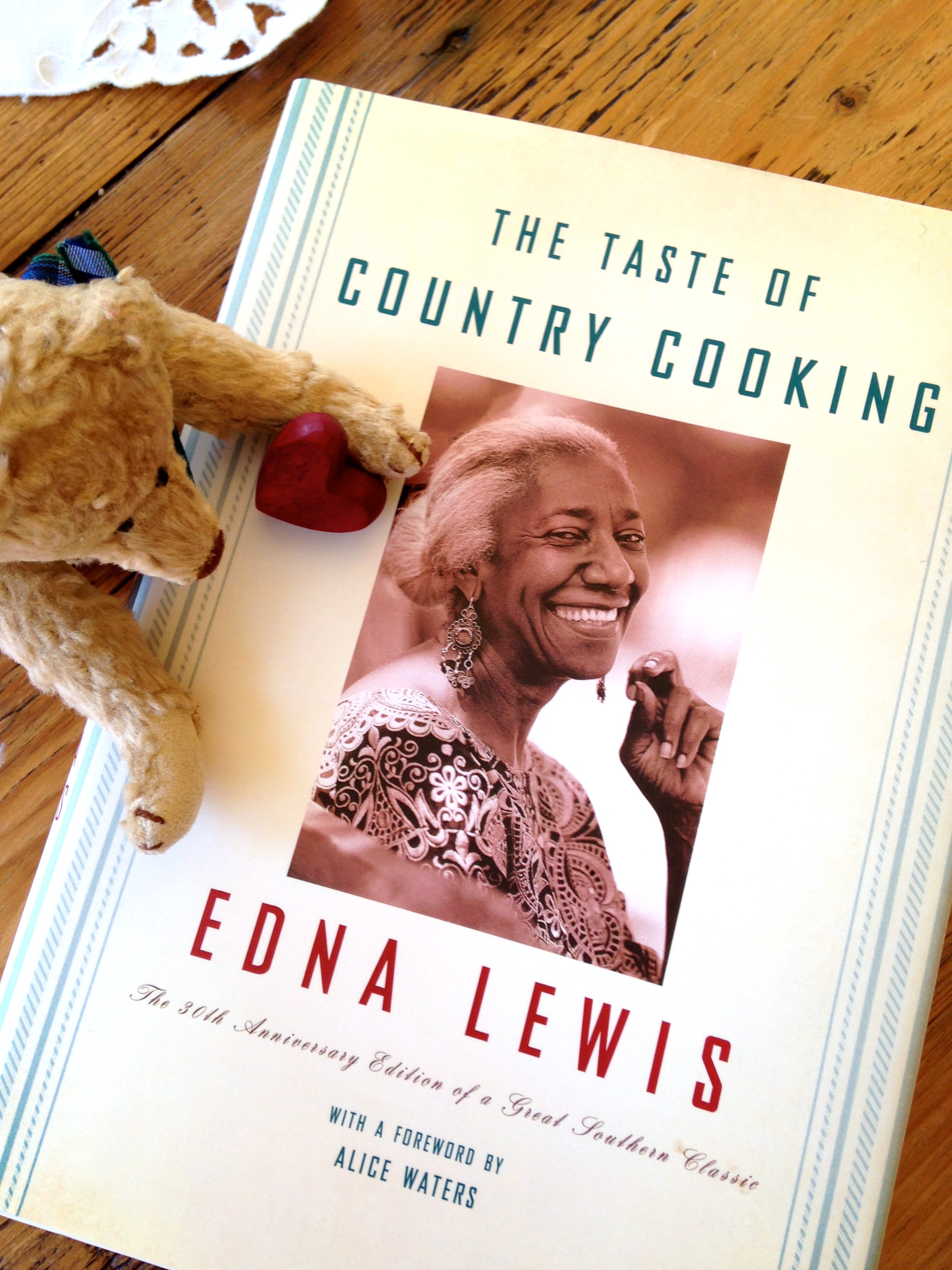
For me, she’s the one. The more I learn about Edna Lewis, the more I love her.

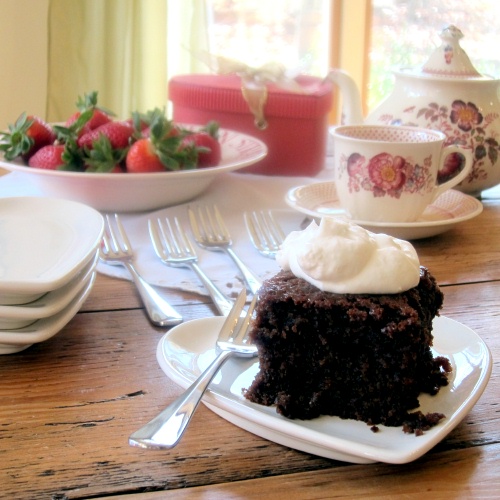
Since today marks the 7th anniversary of her passing at age 89, it’s a good time to celebrate her remarkable achievements as an award-winning chef, cooking teacher, caterer, cookbook author and Grand Dame of Southern Cuisine with a love-in-your-mouth piece of her Warm Gingerbread. Mmmmm-mmmmm!
long view

Miss Lewis, as she was always known, grew up in the small farming community of Freetown, which is located behind the village of Lahore in Orange County, Virginia (about 66 miles from where I live). Her grandfather founded Freetown with two other freed slaves and started the first area school in his living room.

Long before it became chic to advocate fresh, organic, seasonal ingredients and field-to-table cuisine, Edna and her fellow Freetown residents were enjoying a bucolic live-off-the-land existence — growing, harvesting and preserving their own food, gathering nature’s bounty (seeds, fruit, nuts), fishing the streams, hunting wild game in the woods, cultivating domestic animals.

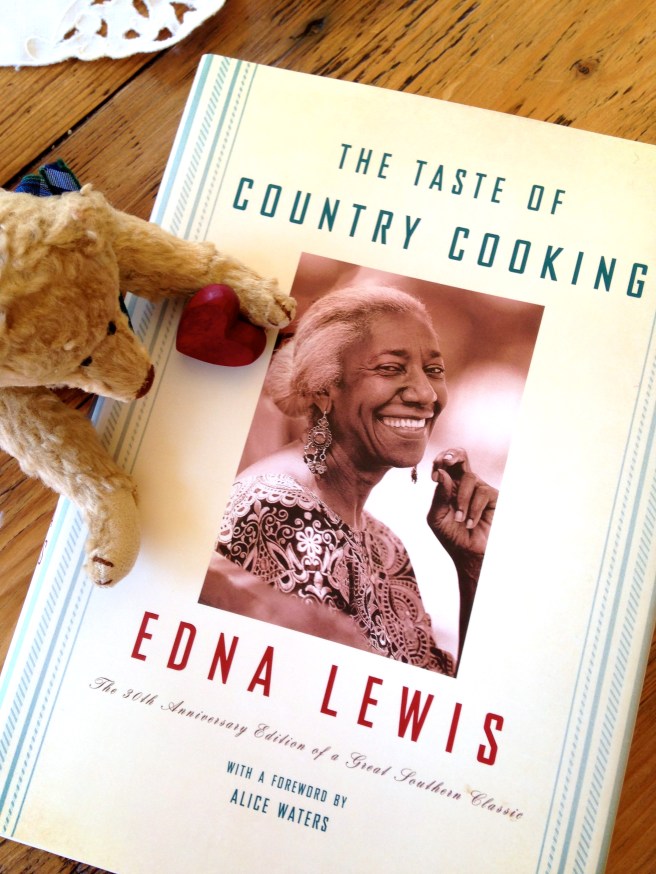
In The Taste of Country Cooking (Knopf, 1976), a classic of Southern cuisine edited by the brilliant Judith Jones (also Julia Child’s editor), Edna shares recipes and reminiscences of the simple, flavorful, uniquely American, Virginia country cooking she grew up with, lovingly describing how they anticipated the select offerings of each season and celebrated special occasions like Christmas and Emancipation Day with full-out feasts.
IMG_0206

We are reminded that there’s nothing better than a freshly picked sun-ripened apple, relishing a dish of Spring’s mixed greens (poke leaves, lamb’s-quarters, wild mustard), celebrating Summer’s bounty with deep-dish blackberry pies, apple dumplings, peach cobblers and pound cakes, sitting down to a Fall Emancipation Day dinner of Guinea Fowl Casserole, “the last green beans of the season and a delicious plum tart or newly ripened, fresh, stewed quince.” As Alice Waters says in her introduction, “sheer deliciousness that is only possible when food tastes like what it is, from a particular place, at a particular point in time.”

Continue reading

another cup of downton tea with chocolate madeleines

downton-abbey-cooking-scene-with-earthenware-bowls
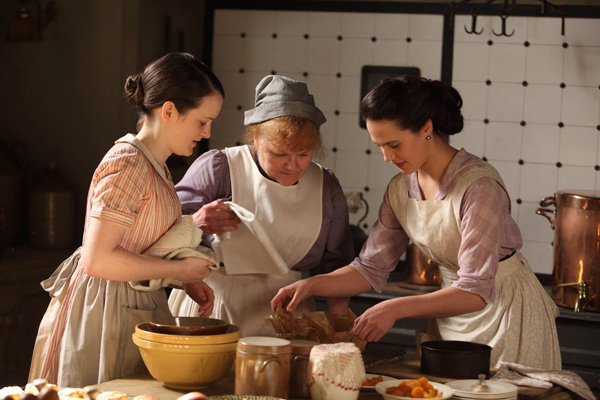
Daisy and Mrs Patmore teach Lady Sybil how to make a cake in happier days (ITV photo).

If, like me, you’re a Downton Abbey fan still reeling from the tragic events of this past Sunday’s Episode 4 and are in dire need of comfort, you’ve come to the right place.

There now, have a nice cup of tea and we’ll talk.

HOW COULD THEY??!!

Lady Sybil was my favorite Crawley sister, and as Mrs Hughes said, “The sweetest spirit under this roof is gone.” I’ll certainly miss her progressive thinking, optimism and open-hearted goodness. The episode was a painful reminder of how powerless even upper class women were when it came to critical medical decisions. Who knows a patient better than her lifelong physician? Who knows a child better than her own mother? And what about a husband’s right to decide what happens to his wife?

Downton Abbey Joss Barratt Photographer
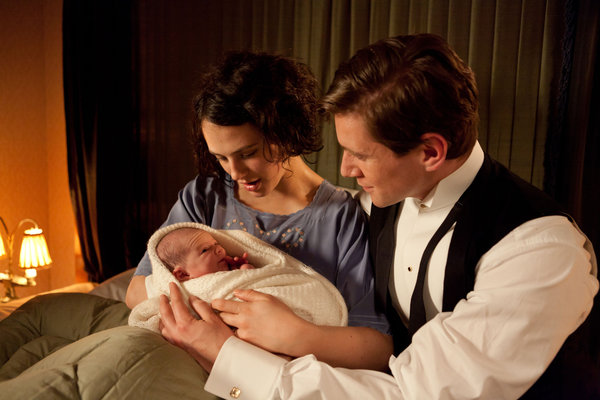
Jessica Brown-Findlay as Lady Sybil and Allen Leech as Tom Branson (Carnival Film & Television, Ltd., 2012)

Continue reading

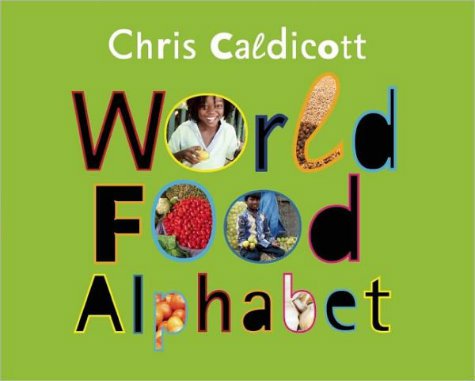
a taste of chris caldicott’s world food alphabet

#46 in an ongoing series of posts celebrating the alphabet.

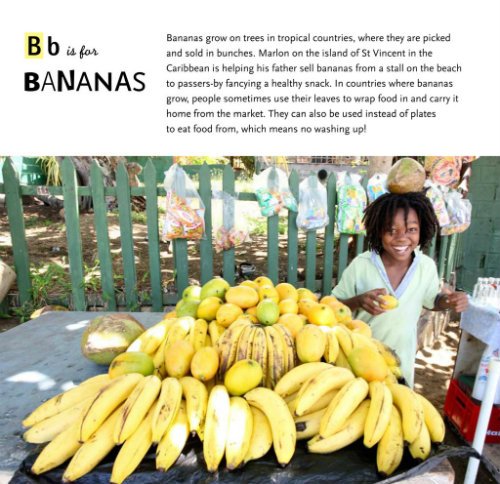
Fancy some Moroccan dates, farm fresh eggs from France, bananas from the Caribbean?  How about a stroll through the street markets of Burma, Guatemala and England? Now, I know that if you chanced upon a particular street vendor in Thailand, you’d surely insist on a bowl of yummy noodles. Sitting around a low table on your plastic stool, you’d likely find the happy conversation every bit as satisfying as the food.

Acclaimed UK food and travel writer and photo journalist Chris Caldicott serves up an international feast for the senses in his photographic alphabet of world food. He takes us to Europe, Asia, Africa and the Americas, giving us a fascinating glimpse of how food is grown, transported, sold, cooked, eaten and shared. Far more than a standard “A is for Apple” compendium, each photograph in World Food Alphabet (Frances Lincoln, 2012) tells a story with an interesting cultural and geographical context, showing people interacting with particular foods in their everyday lives.

Continue reading