
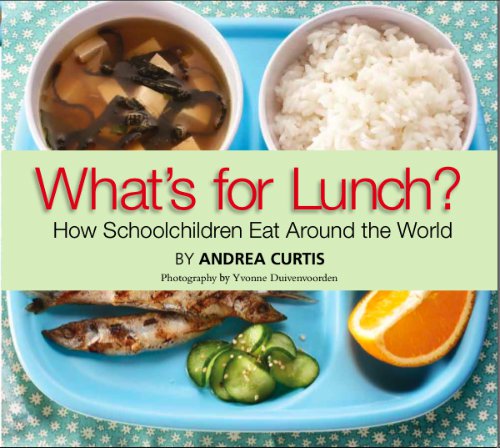
I grew up on school cafeteria lunches. For just 25 cents, we got a hot entrée like so-so creole macaroni, Spanish rice or mac and cheese, brown bread and butter, a forgettable veggie, a yummy, to-this-day-coveted shortbread cookie, and a carton of milk.
That the cookie was the best part of lunch says a lot. But 25 cents is 25 cents, an amazing bargain by today’s standards. At least our bellies were full, and we were not tempted by sugary soft drinks or high caloric snacks from vending machines.
It was not a perfect world by any means; there were no discussions about good nutrition either at home or at school. But there was also no “obesity epidemic,” rampant junk food advertising, or a discernible impact on the environment from the vast amounts of packaging waste produced by our global fast food culture. And it simply never occurred to us that we had the right to a healthy school lunch.
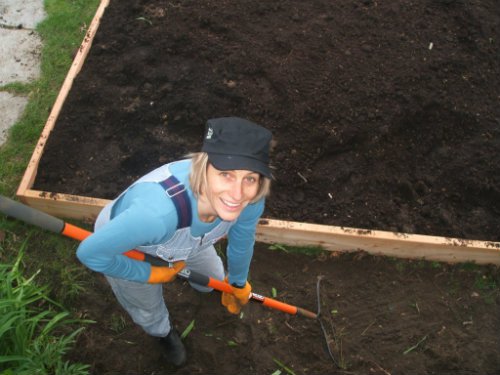
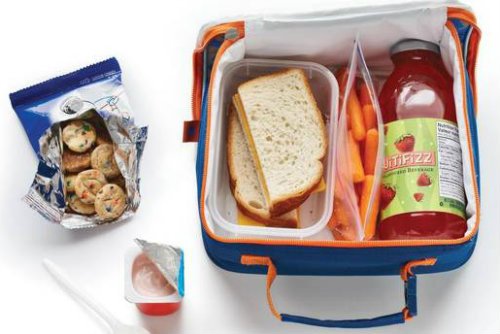
Because it was a constant challenge making school lunches for her two sons every single morning, Toronto-based writer and editor Andrea Curtis became curious about what kids in other countries were eating. In Canada, 90% of kids bring a home-packed lunch and they’re only given about 10 minutes to eat it! There’s no special lunchroom, so they eat in a crowded gymnasium or at their desks. Even when she packed healthy food her sons really liked, often they didn’t have enough time to finish everything.
In What’s for Lunch?: How Schoolchildren Eat Around the World (Red Deer Press, 2012), Andrea serves up a fascinating smorgasbord of typical school lunches from 13 different countries. Peering into the lunch trays, bags, bowls and cups of kids from places like Japan, France, Mexico, Brazil, Russia, China and Peru reveals that it’s always about more than just the food itself.
No matter where we live or what we eat, our food is part of a huge, complex global system, with issues connecting and affecting us all, everything from climate change, social justice, inequalities and the plight of farmers to world hunger and diet-related illnesses like diabetes and heart disease.


 As you can well imagine, Monsieur Generator’s services are in constant demand. Such a busy, busy boy. We had to utilize state-of-the-art vampire bat echolocation to determine his exact whereabouts. We tracked him from the balmy Promenade des Anglais in Nice to the hills of San Miniato in Tuscany, where he was sniffing out white truffles before proceeding to London’s West End, where he will star in a new production of “The Count of Monte Crisco,” part of a new campaign to imprison those who promote trans fats in the human diet.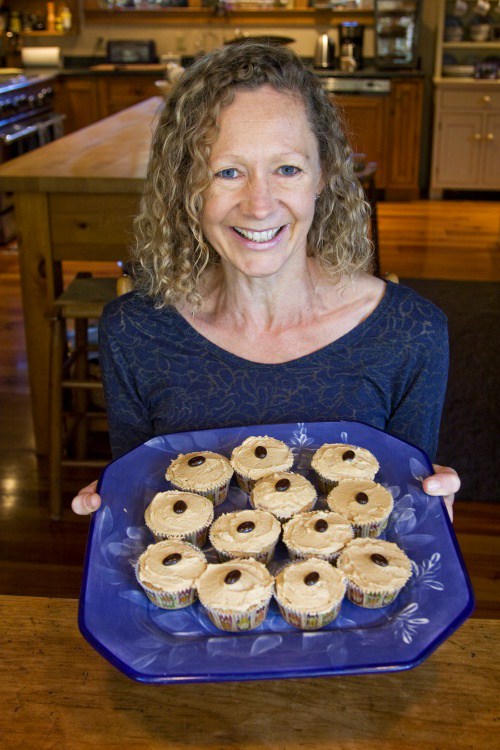
 Please help me welcome debut author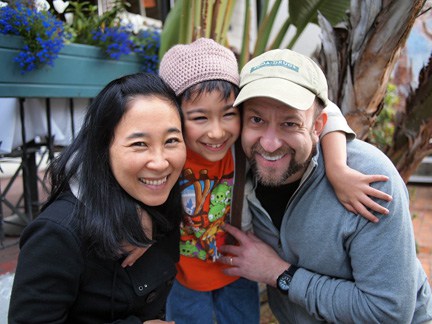


 Jama's Alphabet Soup