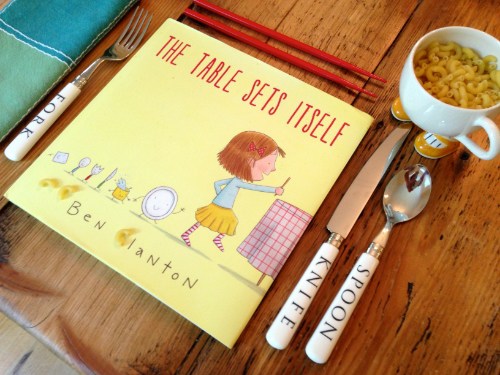
soup of the day special edition: ben clanton dishes on the table sets itself

Ahoy there!*

The Alphabet Soup table is all set to welcome story-scribbler, picture-squiggler, fun-socks-wearer Ben Clanton, whose second self-illustrated picture book, The Table Sets Itself (Walker BFYR, 2013), is officially hitting shelves today! WooHoo!
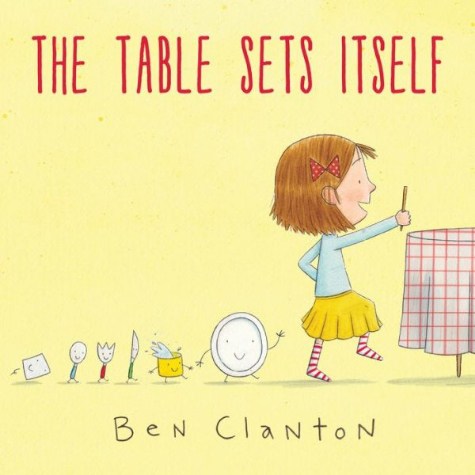
Until I read this charming, whimsical story, I thought I was the only one who had a meaningful relationship with cutlery. I loved reading about how Izzy and her friends Dish, Fork, Knife, Spoon, Cup, and Napkin finally get the chance to set the table themselves. But because they soon tire of being in the same spots day after day, they decide to switch places. Uh-oh.
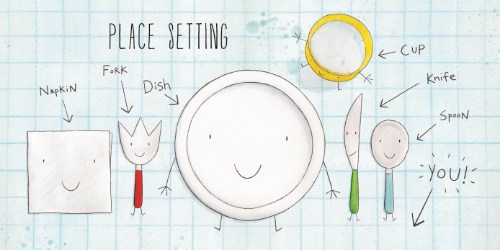
Is this front endpaper cool or what?

This leads to a few small disasters and a big ooh-la-la adventure for the runaway Dish and Spoon, whose absence turns Izzy into a complete mess because no other plate or spoon will do. How will she get them to return to the table? Generous sprinkles of punny jokes and visual humor (I bet you never knew a cup could lift a cow) make for a rollicking read aloud, and did I mention macaroni and cheese is instrumental in setting things right again?

Continue reading

book buzzin’

Yes, we’re mostly about food-related books here at Alphabet Soup, but that doesn’t mean we don’t ooh and ahh over other titles — especially those written and/or illustrated by folks we know and love. Here are some recent and upcoming releases we just had to tell you about:

THE NUTS AND BOLTS GUIDE TO WRITING PICTURE BOOKS by Linda Ashman.  “Have an idea for a picture book? Already working on one? This 150-page handbook offers instruction, advice, exercises, resources, encouragement and more to turn your idea or work-in-progress into a ready-to-submit manuscript. It also includes interviews with leading children’s book editors and industry professionals who provide insights and advice from their side of the desk.”

This one’s a beauty — nine chapters worth of clearly presented, insightful, practical writing advice drawn from Linda’s many years as an author, poet, writing teacher, critiquer, reading advocate, and lover of children’s literature. It’s like having a friendly writing coach by your side as you try to whip your manuscripts into shape. I especially like her chapters about writing humor and experimenting with form. The Guide is currently available for sale as a PDF via Linda’s website, and will be available soon in an ePub version for e-readers.

* * *

MY BLUE IS HAPPY by Jessica Young and Catia Chien (Candlewick, 2013). We always go a little crazy over debut picture books, so a big Huzzah to Jessica! Officially released on August 6th, this book challenges commonly held assumptions about colors and celebrates individual perspective. Is red always angry? Is pink pretty or annoying? Colors are closely associated with emotion, and it’s fascinating to explore the different ways we experience them. Is your orange “fun like a bouncing basketball” — or “serious like a warning sign and a tiger on the prowl”? What a great primer for creative thinking! To learn more about chocolate-lovin’ art teacher/Nashville resident Jessica and her wonderful book, check out this most excellent interview.

* * *

Continue reading

soup’s on: a blog birthday and other delights


Hey Hey!

I’m back! You look different. Have you had some work done? Eating more fruits and veggies, maybe?

Well, something’s changed.

I swear you’re even more good-looking than you were back in July. Tell me, tell me — how is that even possible?

When last we spoke, 6lueberries were taking over the Alphabet Soup kitchen. Well, you’ll be pleased to know we polished off every last one of those indigo beauties and haven’t had any other grocery shopping mishaps — unless you count the time I asked Len to bring home a spaghetti squash.

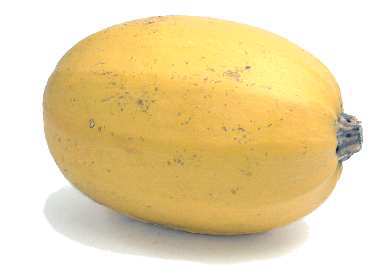
Object in question

Me: That’s not a spaghetti squash. It has a pointy end.

Len: Of course it’s a squash.

Me: It looks too small.

Len: Well, I found it next to all the other squashes and there was even a big sign.

Me: Imposter!

Len: Don’t be silly. This. is. a. squash.

Me: Hokay, if you insist  . . .

Marinara sauce simmering, smells good.

Two hours later, a scream from the kitchen.

Len: OH NO!!

Frantic, disheveled writer comes running, expecting to see a gaping knife wound and lots of blood.

What?!! What’s wrong?!!

Len: Look! It’s a . . . MELON!

Writer displays admirable restraint. 

Me: Is it a muskmelon?

Len: I don’t know.

Me: Well, I tried to tell you. This is just like Aunty Ella and her Chinese soup fiasco. Instead of winter melon, she got watermelon. So much for our low cal alternative. I’ll cook some penne . . .

Spaghetti squash . . . or is it?

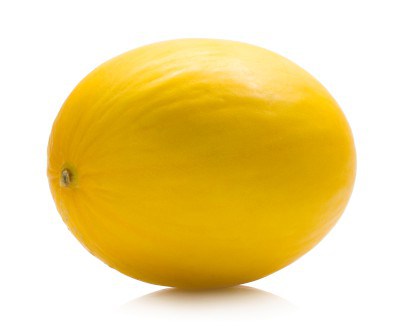
Turns out the object in question is a canary melon, and it was delicious! I like it better than cantaloupe but not as much as honeydew. Canary melons are also called winter melons, but they’re not the same “winter melons” my aunt wanted for her soup, which are actually winter gourds. These guys are actually fruits eaten as vegetables. I swear it’s all a conspiracy. Squash espionage abounds. Henceforth, my code name is Melon Head. 🙂

Come to me, my melon-choly baby.

* * *

Continue reading

peeking into molly’s organic farm by carol l. malnor and trina l. hunner

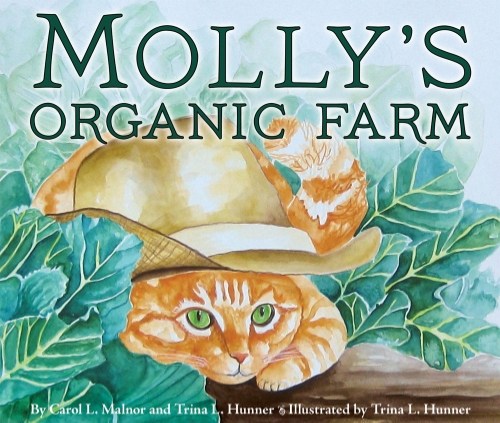
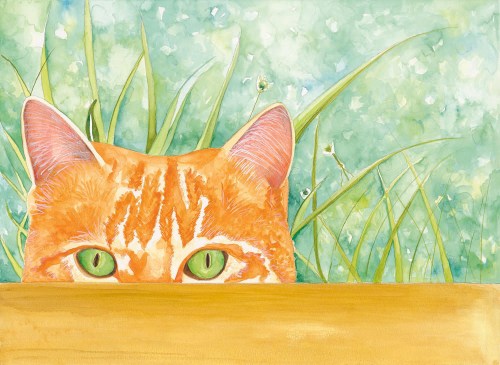
Miao! Who’s that peeking through the cauliflower leaves?

Meet Molly, a homeless orange tabby who wanders into a small community farm one Spring day and instantly captures everyone’s hearts.

Based on a true story, Molly’s Organic Farm (Dawn Publications, 2012), introduces young readers to the seasonal workings of an organic farm through Molly’s eyes. Curious and mischievous, she explores this wondrous world of giant cornstalks and row upon row of leafy vegetables, watching, hunting, and playing among the busy birds, bugs and critters who live there, some beneficial to the plants, others harmful.

The basic principles of organic farming and the marvelous interplay of nature are seamlessly interwoven with Molly’s activities, all gorgeously brought to life with Trina Hunner’s stunning illustrations. We learn about composting, companion planting, crop rotation, beneficial bugs and animal helpers, the importance of buying locally and the wonderful sense of community that’s established among those who share an interest in growing and eating healthy foods in a way that is gentle on the environment.

Continue reading

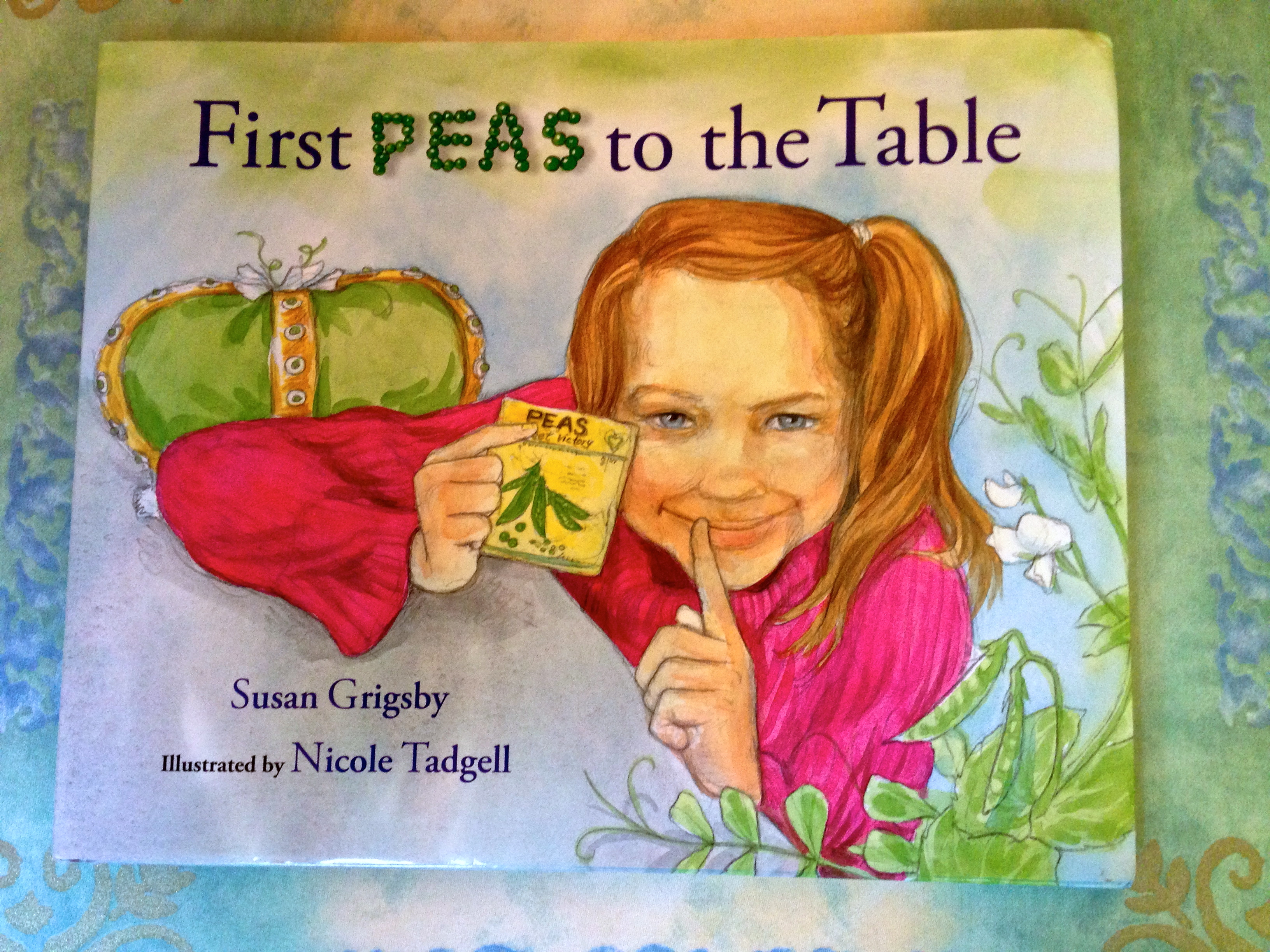
tasting first peas to the table by susan grigsby and nicole tadgell

IMG_0812

Peas, please!

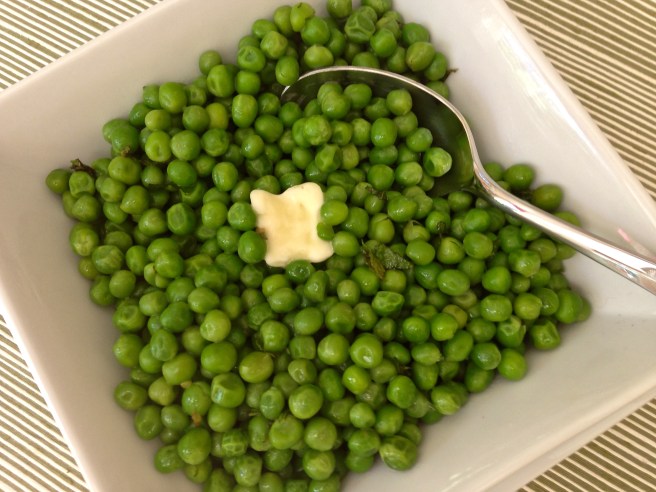
Surely they’re the most social of all vegetables — you rarely see or eat just one and they’re happiest out of their shells — canoodling in congenial groups, basking in their perfect orbed greenness, even more resplendent adorned with a buttery sheen.

Thomas Jefferson was certainly onto them. The English or Garden Pea is considered his favorite vegetable, judging by the sheer quantity of pea plantings and number of harvests at Monticello, as well as the amount of garden space regularly allotted to it.

IMG_0816
(Click for Mary Randolph’s Fresh Peas with Mint recipe)

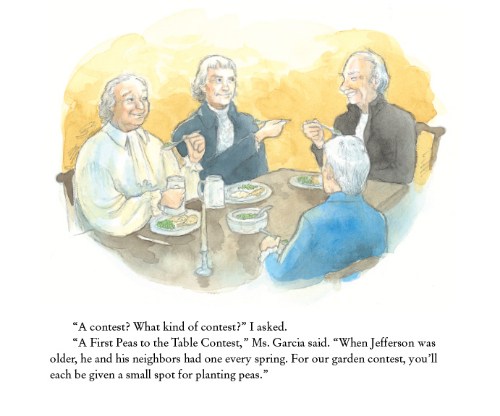
Every Spring, Jefferson and his neighbors had a “First Peas to the Table” contest, a race to see whose peas would be ready first. The winner would host a dinner party, proudly serving his peas to the other contestants. Apparently, Jefferson rarely won, but like his eager friends, fully appreciated the greater prize — honoring a beloved tradition where all could celebrate the joys of gardening and the power of the pea to bring people together.

Since I’ve always been interested in Jefferson’s gardening and gourmandizing, I was happy to see First Peas to the Table by Susan Grigsby and Nicole Tadgell (Albert Whitman, 2012), a lovely story where school children plant a kitchen garden like Jefferson’s and have a pea growing contest of their own.


Continue reading