[happy review] Let’s Celebrate Korean New Year! by Michelle W. Park and Hyewon Yum

Tomorrow, millions of people around the world will be celebrating Lunar New Year. Although it’s commonly called Chinese New Year, there are other Asian communities who also observe this important holiday with their own set of traditions.

Since there are only a handful of picture books about Korean Lunar New Year in particular, I was especially happy to see this new title by Michelle W. Park and Hyewon Yum.

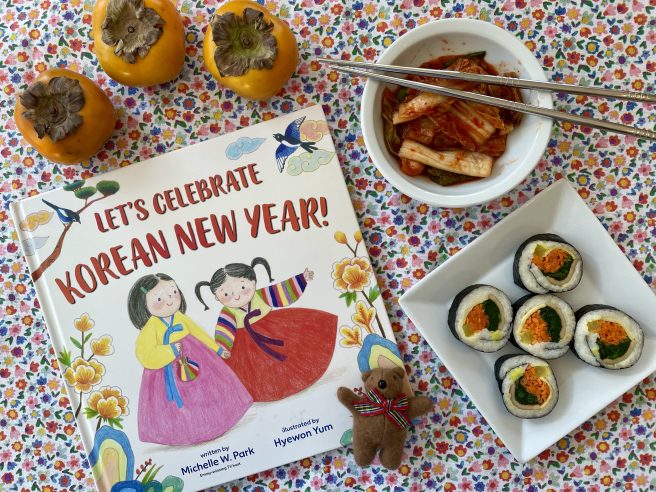
In Let’s Celebrate Korean New Year! (Random House BFYR, 2024), we meet Madeleine and Eloise, two sisters getting ready for their Lunar New Year party. As the big sister, Madeleine takes the lead in briefing Eloise about party attire, food, and games.
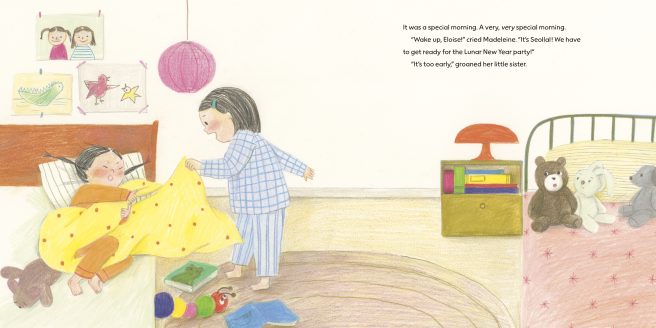
The story opens with Madeleine trying to rouse Eloise at dawn. Sleepy Eloise groans in protest, but Madeleine is raring to go. “First, we need hanboks!” She explains they need to wear traditional Korean clothing for the party, then helps Eloise put on her chima (skirt) and colorful jeogori (jacket).

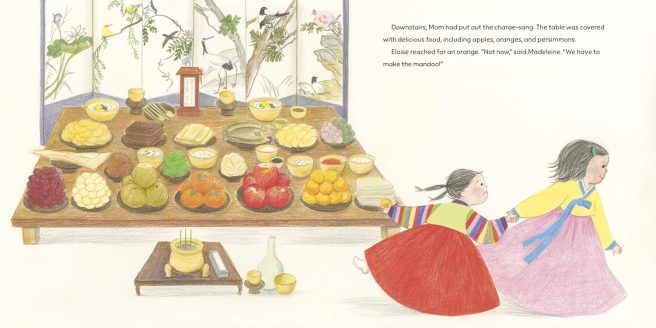
Next, they race downstairs, where they see that their mom has already laid the charae-sang (ceremonial table) with delicious foods such as apples, oranges and persimmons as an offering to their ancestors. Before Eloise can grab an orange, Madeleine pulls her into the kitchen to help wrap dumplings.
Madeleine demonstrates how to fill a dumpling wrapper with a mixture of pork, glass noodles, garlic, scallions and soy sauce before carefully folding it. Unfortunately, Eloise’s earnest attempts aren’t very successful, with a ripped wrapper and too much filling. Impatient Madeleine takes over, assuring a disappointed Eloise that she can help next time.

Continue reading
2024 Poetry Friday Archive

1. “Breakfast” by Merrill Leffler

2. “Eleanor Makes Macaroons” by James Russell Lowell

3. “Exchange of Letters” by Wendy Cope

4. “My Mother’s Colander” by Dorianne Laux

5. TAXI, GO! by Patricia Toht and Maria Karipidou

6. “Peeps” by Judy Fort Brenneman

7. “Waiting for Waffles” by Pam Lewis

8. “A Date with Spring” by John Agard, “The Trees” by Philip Larkin, and “Child’s Song in Spring” by Edith Nesbit

9. 2024 National Poetry Month Kidlitosphere Roundup

10. “Cinnamon” by Judy Lorenzen

11. BLESS OUR PETS by Lee Bennett Hopkins and Lita Judge

12. “The Orange” by Wendy Cope

13. PIE-RATS by Lisa Frenkel Riddiough and David Mottram

14. “Ode to Gray” by Dorianne Laux

15. “The Lesson” by Paola Bruni and “Ask Me” by Susan Gleason (from The Wonder of Small Things)

16. MISS MACDONALD HAS A FARM by Kalee Gwarjanski and Elizabet Vukovic

17.. “Pajama Days” by Joanna Zarkadas

18. ALOHA EVERYTHING by Kaylin Melia George and Mae Waite

19. RUMI: Poet of Joy and Love by Rashin Kheiriyeh

20. Two Barbara Crooker poems

21. “The Nomenclature of Color” by Richard Jones

22. PASTA PASTA LOTSA PASTA by Aimee Lucido and Mavisu Demirag

23. “Come Eat With Me and Be My Love” by Cathy Bryant

24. THE FIESTA OF THE PUPUSAS: El Salvador by Jorge Argueta and Gabriela Moran

25. “Blues” by Elizabeth Alexander

26. “Rationalization” by Betsey Cullen + Poetry Friday Roundup

27. Clements Brothers Blues

28. “Blue” by Joni Mitchell

29. “Blue Stars” by Richard Jones

30. “Fall Sanctuary” by Kory Wells

31. CLARA’S KOOKY COMPENDIUM OF THIMBLETHOUGHTS AND WONDERFUZZ by Sylvia Vardell and Janet Wong

32. GRAND OLD OAK AND THE BIRTHDAY BALL by Rachel Piercey and Freya Hartas

33. ANIMAL ALBUMS FROM A to Z by Cece Bell

34. “No More Nature Poems” by Alice N. Persons


[festive review + recipe] Peter Rabbit: Christmas is Coming (+ a blog break)

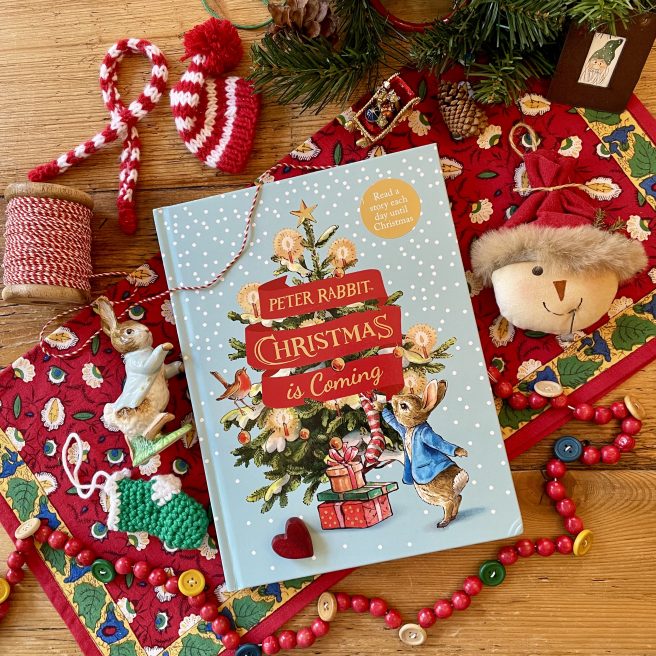
Most kids will say that presents are the best part of Christmas, but our mischievous friend Peter Rabbit begs to differ. While he loves presents, what he most looks forward to is all the food!

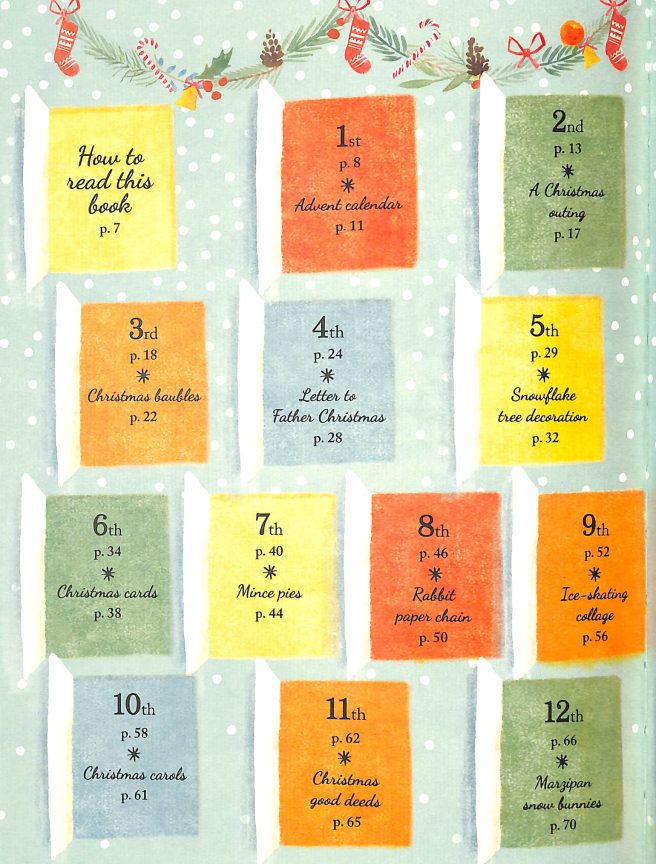
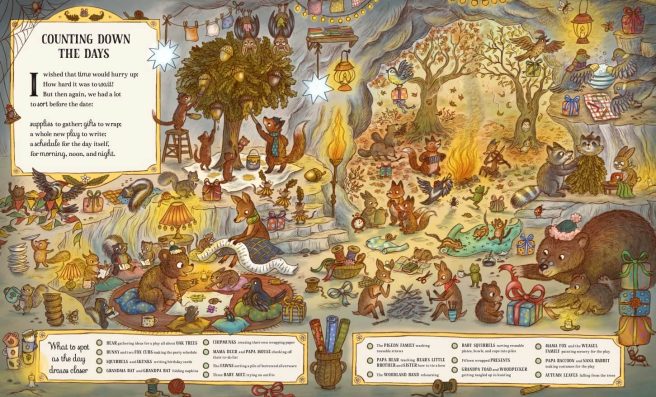
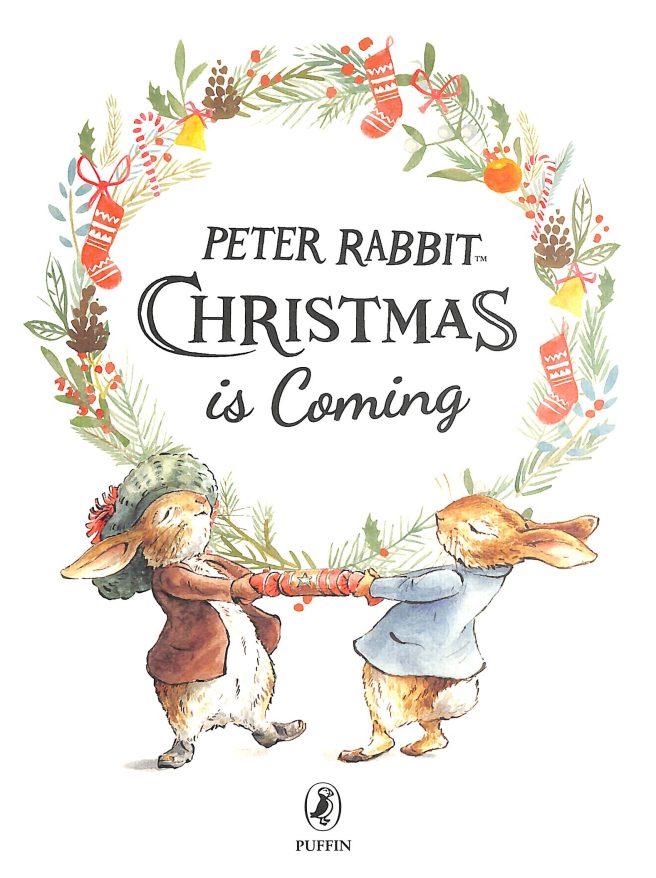
Luckily, there are many tasty treats to munch on in his advent storybook, Peter Rabbit: Christmas is Coming (Puffin Books, 2020). Written by Rachel Boden and illustrated by Neil Faulkner, this Beatrix Potter inspired delight is the perfect warm and cozy read for families to share as they count down to the big holiday.

The treasury features 25 stories — one for each day of Advent + one for Christmas Day — paired with fun, easy “Christmassy” things to do or make suitable for kids 4+. The ‘stories’ are interlinked, so they can also be enjoyed by independent readers as one long chapter book. This will especially appeal to kids already familiar with the characters in the Peter Rabbit little books, since they feature in longer narratives.

In addition to Peter, his mum Mrs. Rabbit, and his sisters Flopsy, Mopsy and Cotton-tail, Peter’s cousin Benjamin Bunny plays a large role in all the action. When you have an enthusiastic partner in crime, almost anything can happen!

In the first story, Peter and Benjamin ‘argue’ over what is truly the best part of Christmas. Benjamin says presents (he wants a bouncy ball), while Peter is adamant about edibles:

I want roasted chestnuts and potatoes and parsnips and carrots and mince pies and cake and . . .

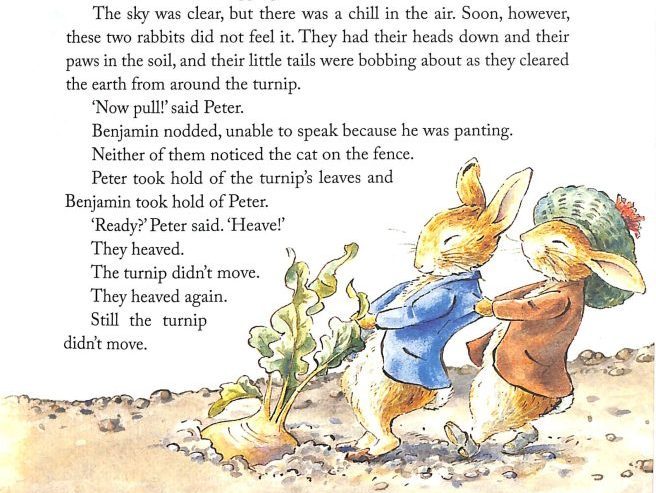
While this spirited sparring is going on, they make their way to Mr. McGregor’s garden (will they ever learn?), where they spy a row of turnips. Yes, they’re hard to dig up and heavy to carry — but Peter decides it’s worth the trouble since his mother could make a nice turnip soup.

After checking that the coast is clear (cat and Mr. M nowhere in sight), they furiously dig and dig and then tug, tug, tug at the turnip’s leaves. The turnip simply won’t budge. They keep tugging, unaware that the cat is sneaking up from behind.

Continue reading

no more nature poems?

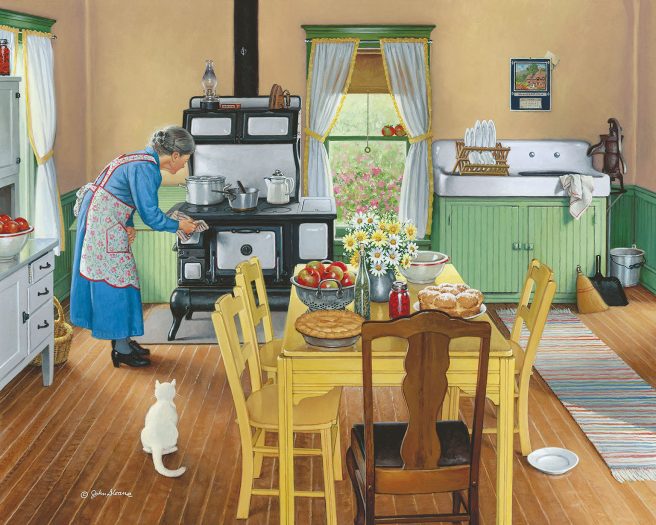
“Grandma’s Kitchen” by John Sloane.
NO MORE NATURE POEMS
by Alice N. Persons


Okay, plenty of us like to look at birds.
Flowers are swell, sunsets,
trees, the stars -- all dandy.
But let's face it --
it's all been said, described,
covered
by thousands of writers.
What could we possibly say
that would improve
on the ancient Chinese poets, anyway?
I concede that a few poets since Li Po
have hit one out of the park,
but how many of us are Hopkins or Oliver?

I'm a city woman.
Give me poems with kitchen tables,
toast crumbs,
books and magazines,
Grandmother's plates,
postcards from Florida,
baby pictures,
Scrabble tiles,
the smell of Sunday roast,
the feel of the seats in Dad's old car,
the Thanksgiving menu that never changed

what it was like to leave,
how it feels to go back;
what you left,
what you carry with you --
all the messy, vivid indoor life
of the heart.

~ from Thank Your Lucky Stars (Moon Pie Press, 2011).
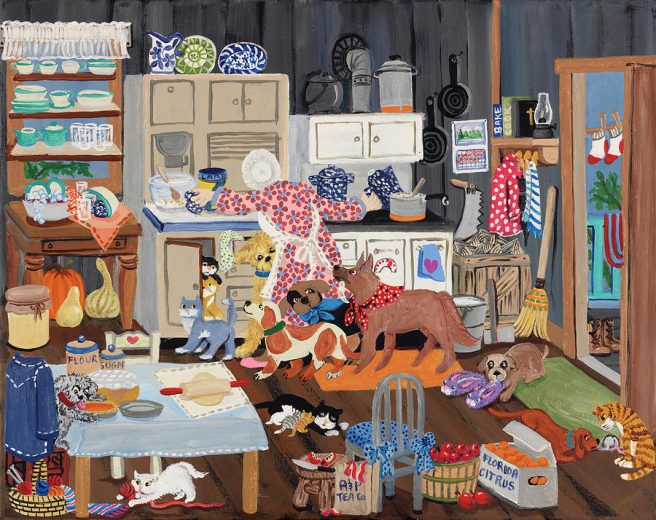
“Grandma’s Kitchen” by Carol Salas.

*

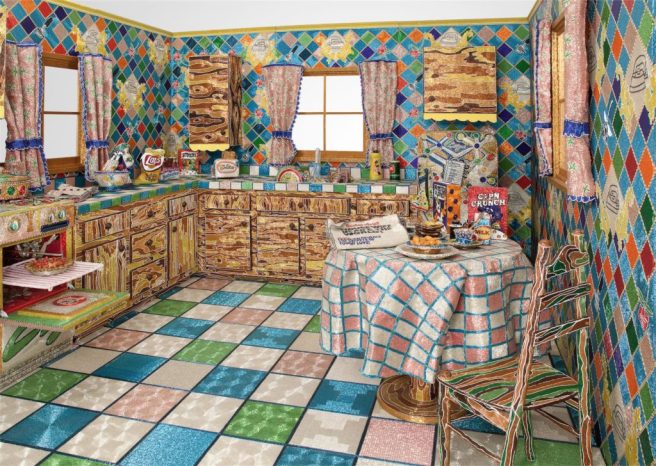
“Kitchen” by Liza Lou (1999).

Conversational and plain-spoken as always, Persons has a knack for fresh points of view that give us pause but ultimately ring true.

Continue reading

[chewy review] The Mochi Makers by Sharon Fujimoto-Johnson

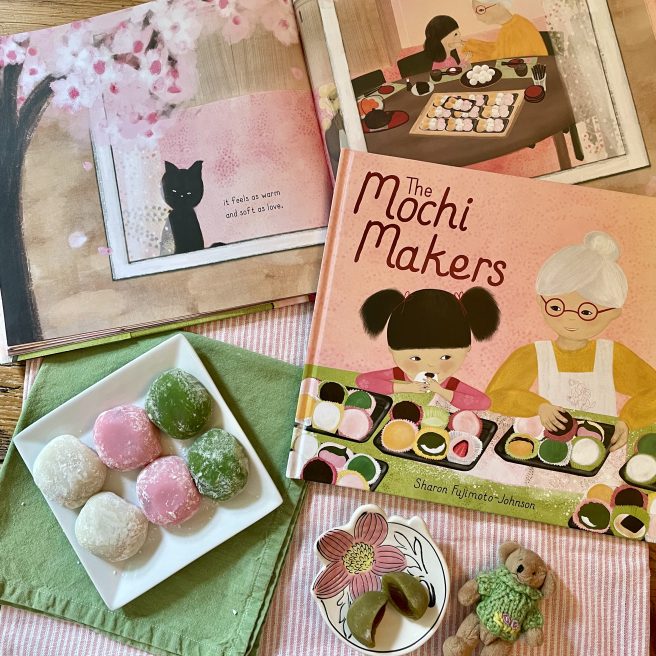
Soft, chewy, stretchy — pink, white, or green — I love mochi!

Whenever I bite into a Japanese rice cake, it takes me back to my childhood in Hawaiʻi. While we often enjoyed store-bought mochi as an everyday treat, it was most delicious when the extended family gathered on New Year’s Day to make a homemade batch.

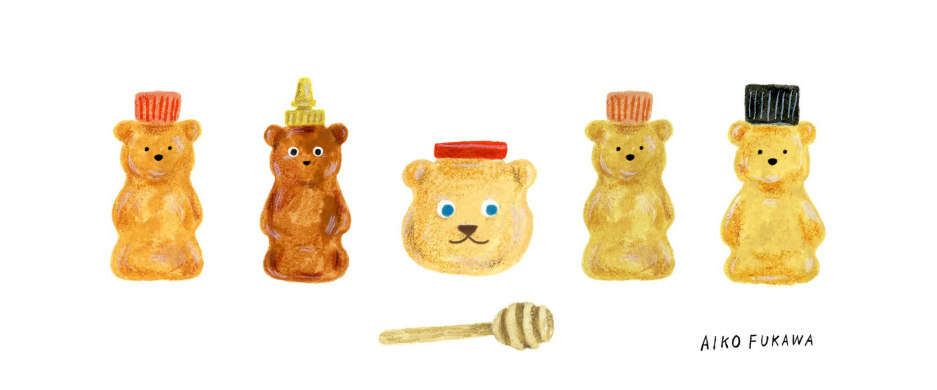
My uncle (whose wife was Japanese) was in charge of cooking and pounding the rice with a wooden mallet. At first he did this by hand, but in later years he acquired a mochi machine that largely did the work for him. When the mochi dough was ready, my aunts coated their hands with potato starch and twisted off pieces to form small round cakes. Each family took home a good share. How I loved fresh, oh-so-soft mochi dipped in a little honey!

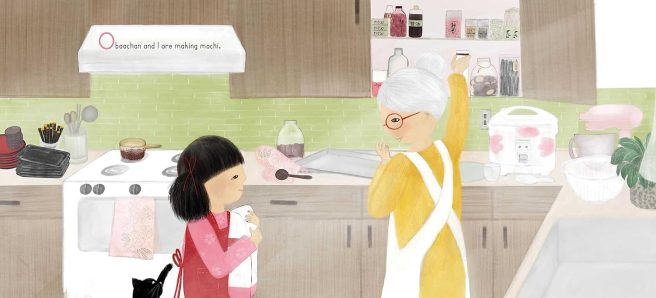
You can see why I was excited to read Sharon Fujimoto-Johnson’s debut picture book, The Mochi Makers (Beach Lane Books, 2024). In this gentle, heartwarming story, a little girl makes mochi with her grandmother, learns about her family’s heirloom recipe, and then shares trays of mochi with family, friends and neighbors.

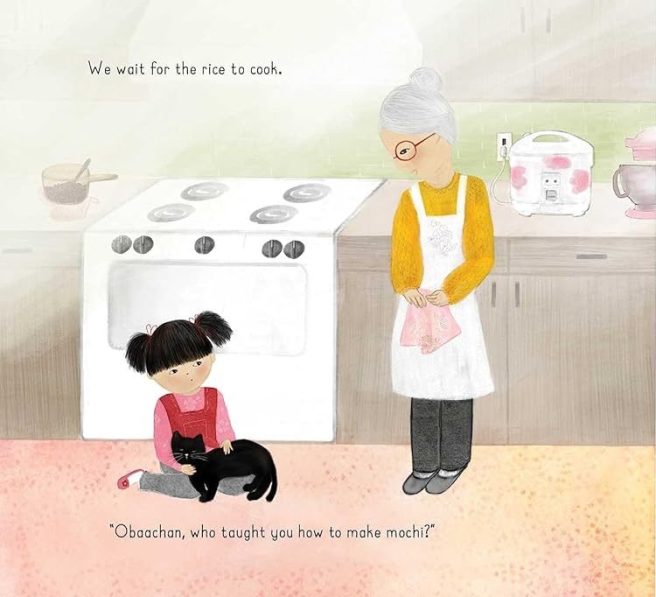
Told from Emi’s point of view, the story outlines the steps she and Obaachan follow to make this special treat.

First, Emi and Obaachan wash sweet mochi rice — “Obaachan with her strong, wrinkled hands and me with my small, quick ones.” It doesn’t matter if Emi spills a few grains; Obaachan reminds her “we only need clean hands and whole hearts to make mochi.”

While the rice is cooking, Obaachan tells Emi that the recipe originated from Emi’s great-great grandmother. When Obaachan emigrated to America to marry Emi’s grandfather (Ojiichan), she brought the mochi recipe with her “in her heart and hands.”

When the rice is done, Emi and Obaachan transfer the steaming mass into a stand mixer, where it’s pounded into a sticky mound. Next, they coat their hands with potato starch, twist off pieces and make small round cakes.

Continue reading