friday feast: a bowlful of summer


 tiny banquet committee/flickr 

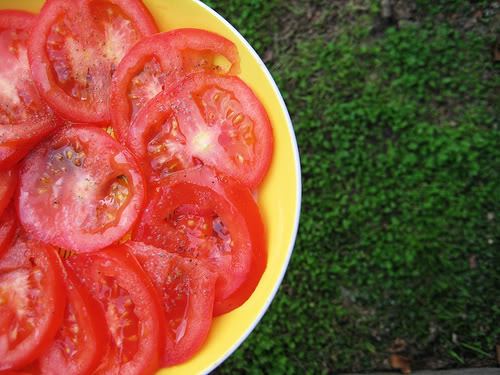
Today, I’m banishing all thoughts of winter and serving up a bountiful bowl full of summer.

tofutti break/flickr

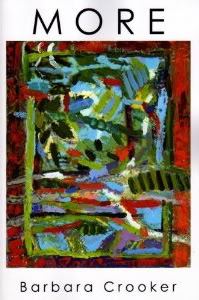
I’m tossing in balmy breezes, a view of the sparkling Mediterranean resplendent in azure, cobalt and cerulean, and an enticing spread of fresh salads and crusty peasant bread. I’m channeling all this goodness because of a sublime poem I recently “devoured” in Barbara Crooker’s latest book, More (C&R Press, 2010). Her poems revolve around the theme, “Always the hunger for more,” which pretty much sums up my life.

            jeroen knippenberg/flickr

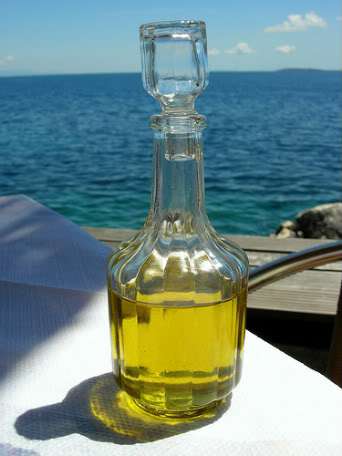
Taste this ode, roll its words around in your mouth, and see if you’re not also transformed by the beauty and sensuality of the language and the vivid images carefully arranged like a master chef’s antipasto. Thanks to Barbara, I’m newly appreciative of the sacred, medicinal, cosmetic, historical and culinary aspects of what Homer called, “liquid gold.” Can you tell I’m now bathed in golden light? *blink blink*

Habib Allahdad/flickr

ODE TO OLIVE OIL
by Barbara Crooker

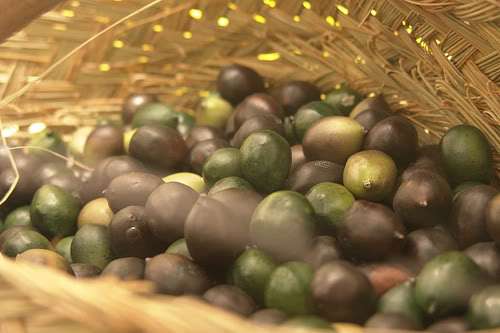
From hard green drupes
of bitter flesh, a river
of gold and green — From
trees bent like old women
whose leaves flash
olive drab to silver
in the hot breeze,
a bowlful of summer —

The transmutation:
flesh of the tree to liquid amber —
Picked by hand, collected in nets,
the willow baskets fill with fruit,
spill into wooden boxes,
are crushed between wheels
of stone, pits and all.

You can marry it with aceto balsamico
to dress your salad, gilding emerald
and ruby leaves — You can ladle
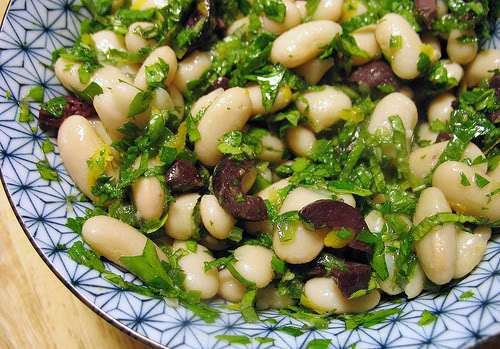
it on white beans and sage, drizzle
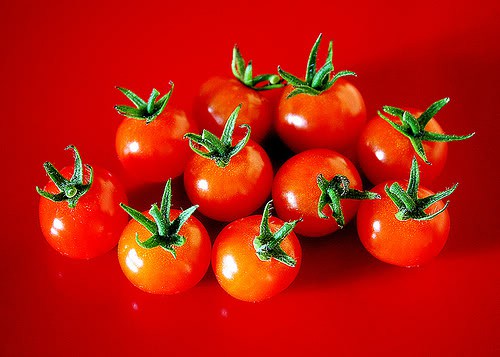
it on sun-warm tomatoes, lace it
in minestrone, bathe garlic heads
for roasting. You can make it
into soap, rub it with mint leaves
for migraine. Take a spoonful
to prevent hangover. Mash
it with rosemary and all the pain
is gone from creaky knees.

Velvet on the tongue. The light
of late afternoons. I am eating
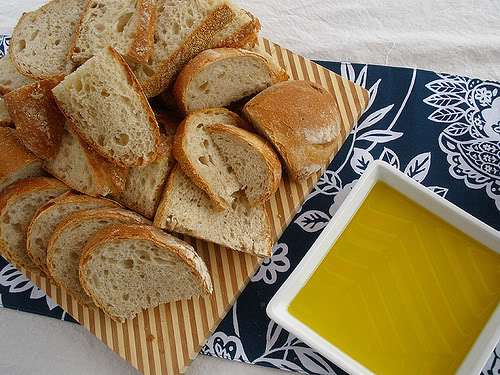
sunshine, spread on bread;
primroses open in my mouth.
My chin gleams yellow,
the opposite of a halo,
but one surely even the saints
would recognize and bless.

~ from MORE, published by C&R Press, copyright © 2010 Barbara Crooker. All rights reserved.

culinarycory/flickr

*swoon*

LOVE that last stanza! The entire poem is “velvet on the tongue.” I’m thinking more women than men seem to write about the sensuality of food, appreciating its colors, shapes, textures, and ultimately, its primal and emotional rammifications. Do you know of any male poets who do this as well?
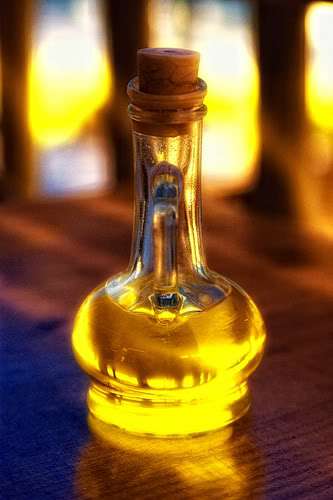

U_Kersting/flickr

OLIVE OIL TIDBITS

♥ Greece boasts the highest per capita consumption in the world (26 liters per person per year), and Spain is the world’s largest producer (1 million+ tons/year). Italy takes the prize for most consumption overall (30% of the world’s) each year.

♥ Residents of Crete consume the most olive oil per person in the world, and have the lowest death rate from heart disease.

♥ Olive trees have a life expectancy of 500 years; some trees in the Eastern Mediterranean are over 2000 years old!

♥ Athletes in ancient Greece ritually rubbed olive oil all over their bodies. *fans self*

Today’s Roundup is being hosted by Mary Ann at Great Kid Books. She’s serving up the full menu of this week’s poetic offerings, and may or may not be wearing a halo.

Cook up something with olive oil this weekend!
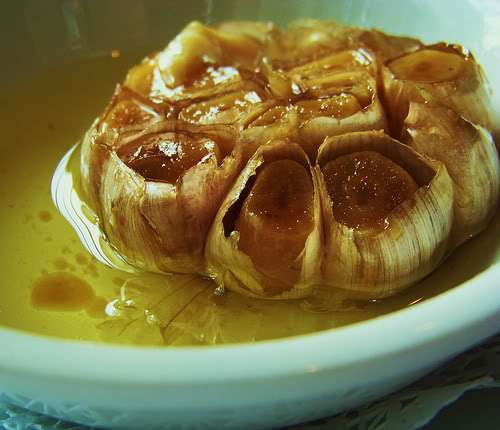

Renee Rendler-Kaplan/flickr

Buon Appetito!

Click here to read some reviews of MORE!


Copyright © 2011 Jama Rattigan of jama rattigan’s alphabet soup. All rights reserved.

wordless wednesday


friday feast: call me cookie


I am rich, buttery coconut with warm ginger tea, melty chocolate crackle on a Saturday night. If you like, marvelous molasses, merry in mid afternoon. A melting moment, a kiss, spicy and sweet.

Drop me, roll me, press me, powder me — I am your favorite bar none. Flirting with dates, almonds, lemon and cinnamon, I always rise to the occasion. I go wherever you go, tell your fortune if you like.

Continue reading

friday feast: tomatoes will never be the same


Guacamole Goalie/flickr

TOMATOES
by Stephen Dobyns

A woman travels to Brazil for plastic
surgery and a face-lift. She is sixty
and has the usual desire to stay pretty.
Once she is healed, she takes her new face
out on the streets of Rio. A young man
with a gun wants her money. Bang, she’s dead.
The body is shipped back to New York,
but in the morgue there is a mix-up. The son
is sent for. He is told that his mother
is one of these ten different women.
Each has been shot. Such is modern life.
He studies them all but can’t find her.
With her new face, she has become a stranger.
Maybe it’s this one, maybe it’s that one.
He looks at their breasts. Which ones nursed him?
He presses their hands to his cheek.
Which ones consoled him? He even tries
climbing onto their laps to see which
feels most familiar but the coroner stops him.
Well, says the coroner, which is your mother?
They all are, says the young man, let me
take them as a package. The coroner hesitates,
then agrees. Actually, it solved a lot of problems.
The young man has the ten women shipped home,
then cremates them all together. You’ve seen
how some people have a little urn on the mantel?
This man has a huge silver garbage can.
In the spring, he drags the garbage can
out to the garden and begins working the teeth,
the ash, the bits of bone into the soil.
Then he plants tomatoes. His mother loved tomatoes.
They grow straight from seed, so fast and big
that the young man is amazed. He takes the first
ten into the kitchen. In their roundness,
he sees his mother’s breasts. In their smoothness
he finds the consoling touch of her hands.
Mother, mother, he cries, and flings himself
on the tomatoes. Forget about the knife, the fork,
the pinch of salt. Try to imagine the filial
starvation, think of his ravenous kisses.

~ from Velocities: New and Selected Poems 1966-1992 (Viking Penguin, 1994).

——————————————————-

Another good reason not to have plastic surgery.

This one socked me between the eyes. I’m not sure whether I’m more shocked or strangely humored by Dobyns’s police-blotter-like narrative. “Bang, she’s dead,”  is so matter-of-fact and perversely comic, and makes me wonder: is this more a story about the narrator of the poem, or a dramedy of the son’s pathetic grief? As with many of his other poems, “Tomatoes” is informed by Dobyns’s journalistic training. I like how he pulled me in from the start and left me contemplating the more profound implications of “just the facts, ma’am.”

Today’s Roundup is being hosted by the lovely and always gracious Elaine Magliaro at Wild Rose Reader. I’m pretty sure she likes tomatoes, but maybe not the ones in this poem. ☺

May you spend a little time with some meaningful fruit this weekend.


Copyright © 2011 Jama Rattigan of jama rattigan’s alphabet soup. All rights reserved