Ann McCallum and Leeza Hernandez Dish on Eat Your Math Homework

Ann_Leeza

What do you do when even your dog won’t eat your math homework?
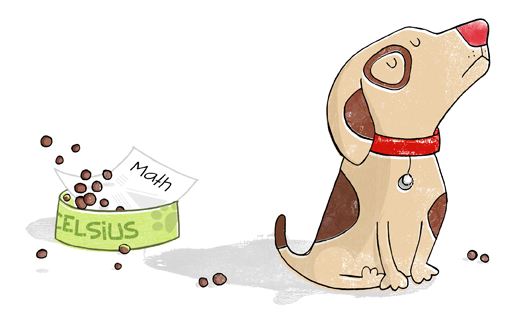
dog

Eat it yourself, of course! If you’re someone who shudders at the mere mention of fractions, integers, algorithms, formulas and polygons, you’ll be happy to know you can actually eat your way to a better understanding of these concepts and have a lot of fun doing it. 🙂

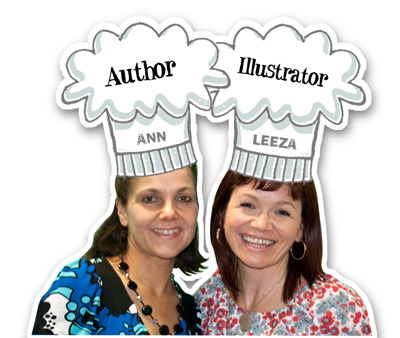
mathhwAuthor Ann McCallum and illustrator Leeza Hernandez, math chefs extraordinaire and creators of the delightfully delectable, Eat Your Math Homework: Recipes for Hungry Minds (Charlesbridge, 2011), are here today to take the lid off the dreaded “fear of mathematics.”

Their charmingly illustrated, yummy collection of edible math projects, served up with generous sides of kitchen tips, fun facts, and chewy appeteasers makes what is often puzzling palatable and transforms numerical drudgery into drool-worthy deliciousness.

Getting past the anxiety of numerators, denominators, diameters and circumferences is as easy as whipping up a batch of Fraction Chips — cutting fried tortillas into equal pieces to share with your friends. Learn about the very cool Fibonacci sequence by skewering the right number of strawberries, marshmallows, grapes or any other favorite snack onto sticks. Yum!
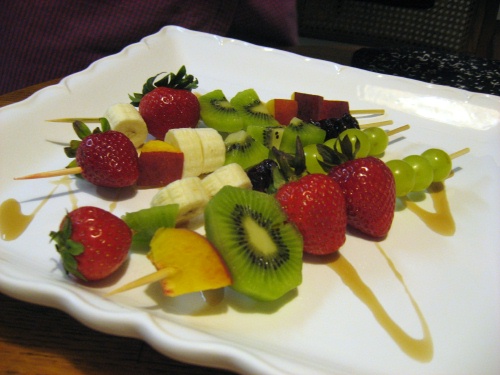
june 29.11 fib sticks +popcornballs 011 (2)
Help yourself to a Fibonacci Snack Stick, or two, or three . . .

Understanding constants and variables is duck soup when you make your very own Variable Pizza Pi, and don’t even get me started on the Tessellating Two-Color Brownies. Not sure what tessellations are? Chocolate is the answer, my friend. I love how this book shows kids the beauty of math at work in everyday life. Pass me another brownie, please. 🙂

* * *
Continue reading

tasting the abc’s of fruits and vegetables and beyond by steve charney and david goldbeck

#46 in on ongoing series of posts celebrating the alphabet.

carrot (2) 500

Food + ABCs together in one book — what could be better?

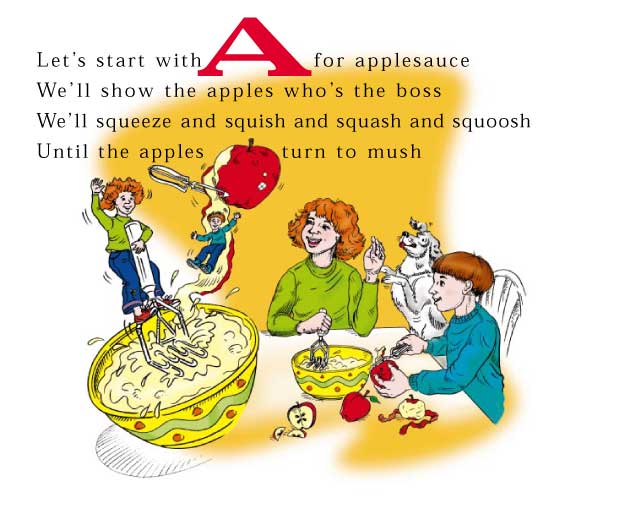
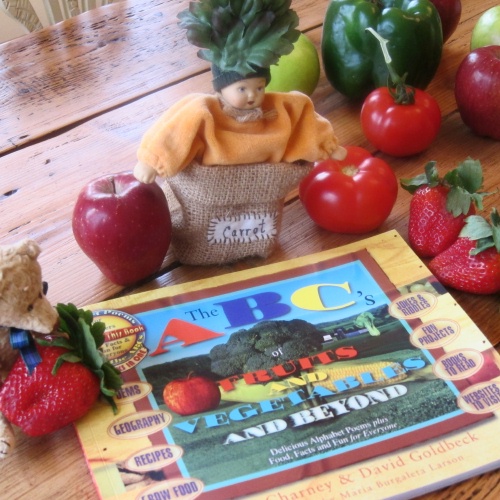
Steve Charney and David Goldbeck serve up a fun and delectable two course meal sure to satisfy a variety of appetites in The ABC’s of Fruits and Vegetables and Beyond (Ceres Press, 2007). This alphabet book with extended activities contains just the right ingredients to feed hungry minds and hopefully get kids excited about incorporating more fruits and veggies in their diet.

abcs food

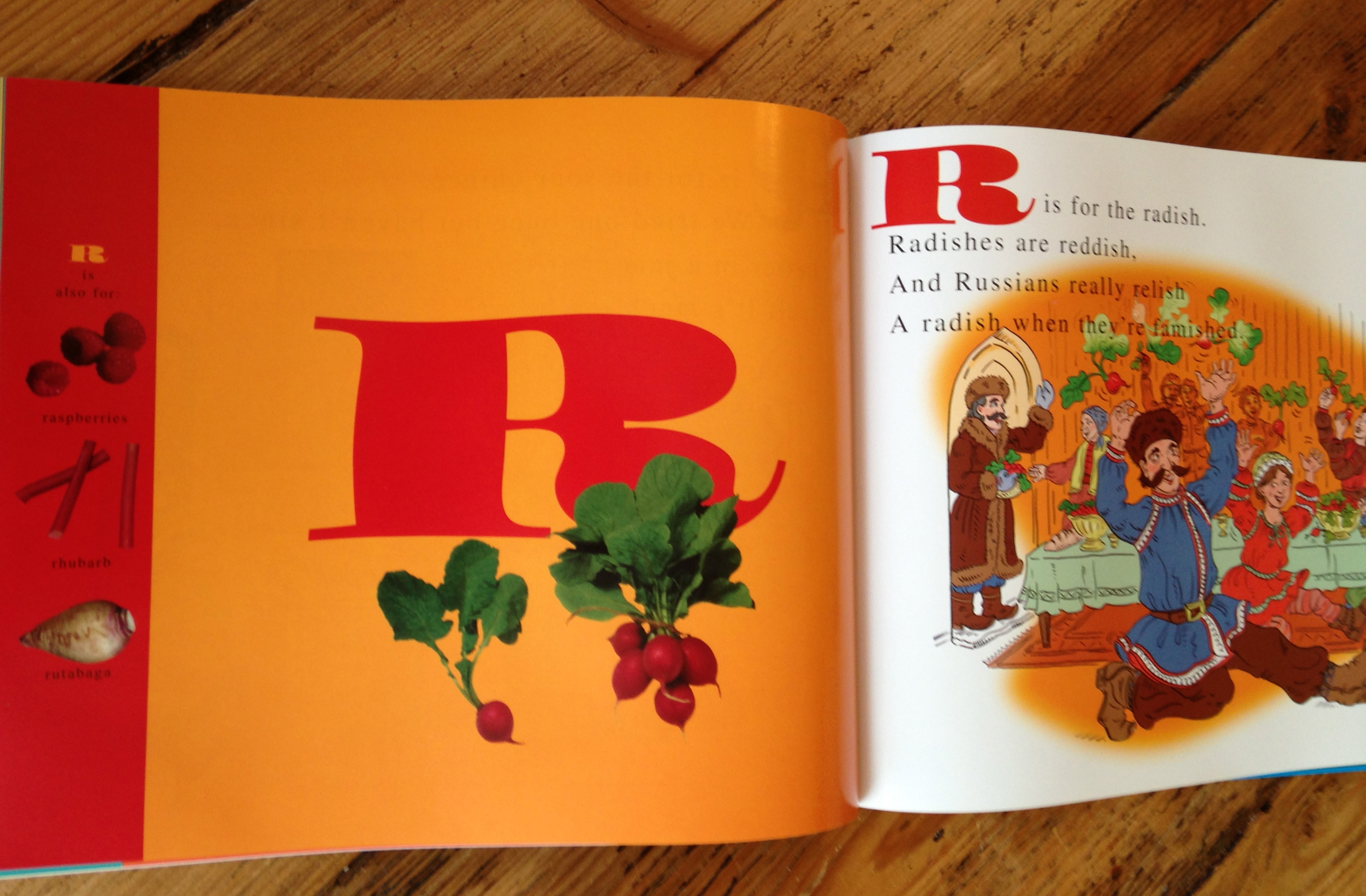
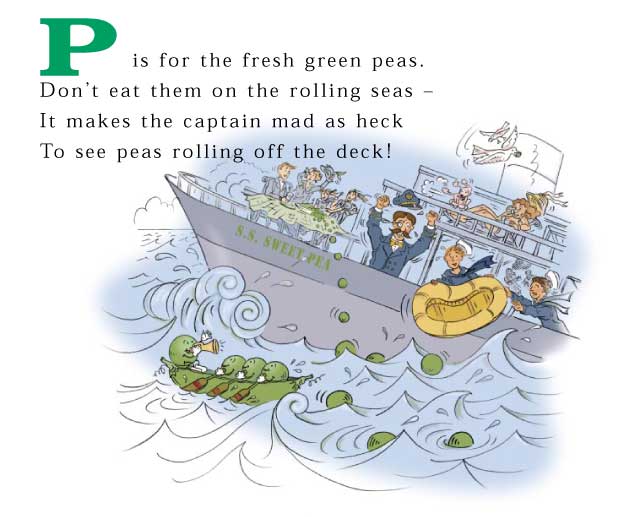
In Part One, (the first “course”), Charney presents a chewy, crunchy, giggle-inducing platter of rhyming alphabet poems (E is for Eggplant, K is for Kiwi, W is for Watermelon). Each page turn showcases one letter/one fruit/one veggie with a photo set against a bold-colored background on one side, and the illustrated poem on the other.

IMG_0352

The focus is on familiar, kid-friendly produce as well as the more elusive Jicama, Quince, Ugli®, and Xemenia (a wild yellow plum from Africa). Food-related extras like Vanilla, Herbs, Farmer, and Organic round out the menu.  Littlest munchkins will enjoy the lively, comical poems and poring over the cartoony illustrations, perhaps not realizing they are consuming lots of ‘good-for-you’ facts at the same time.

abcs food2

Continue reading

celebrating george washington’s birthday with hoecakes and hospitality

IMG_0237

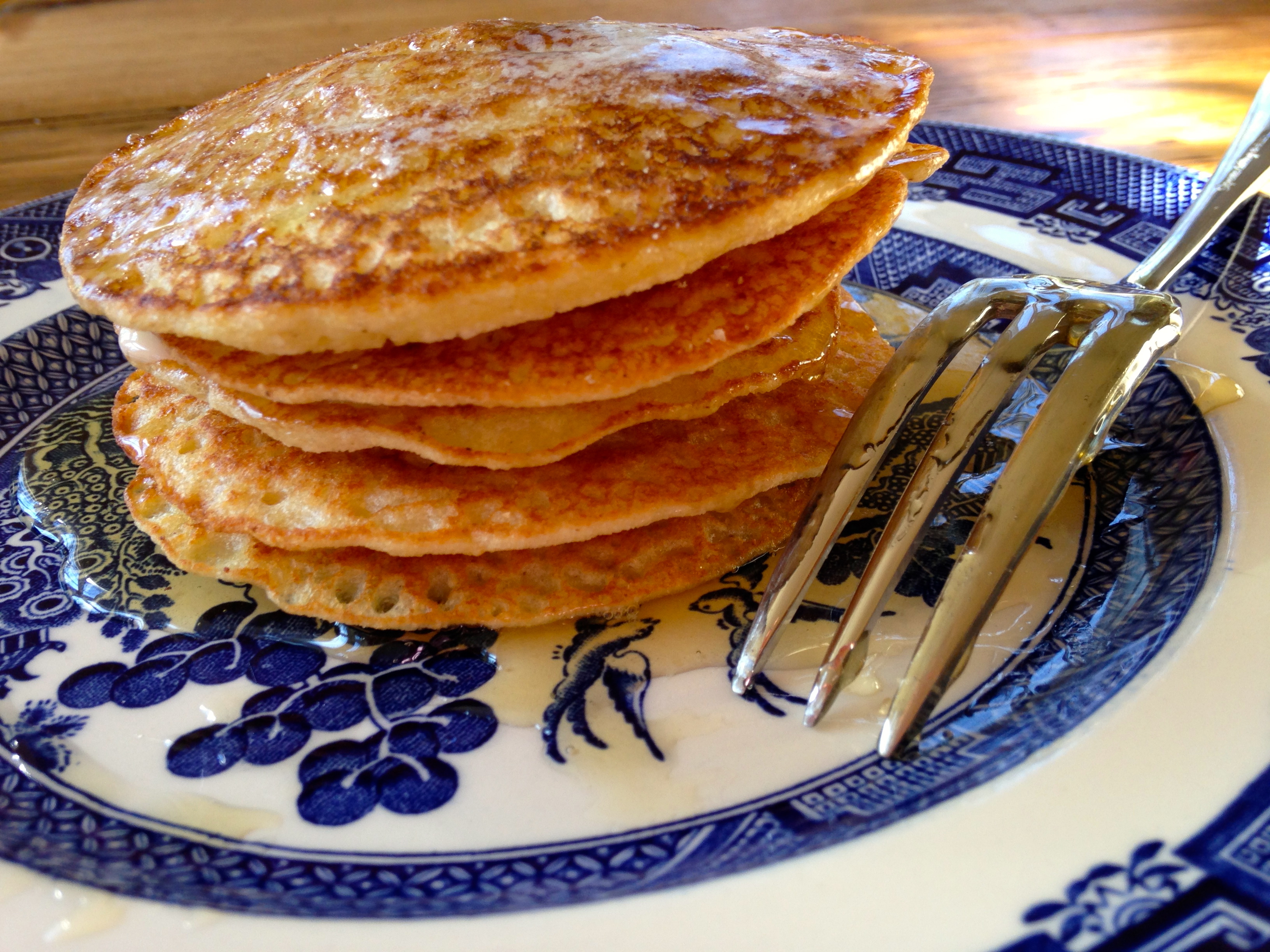
This year, we celebrated President’s Day with a return visit to Mount Vernon and by whipping up a batch of George Washington’s favorite hoecakes.

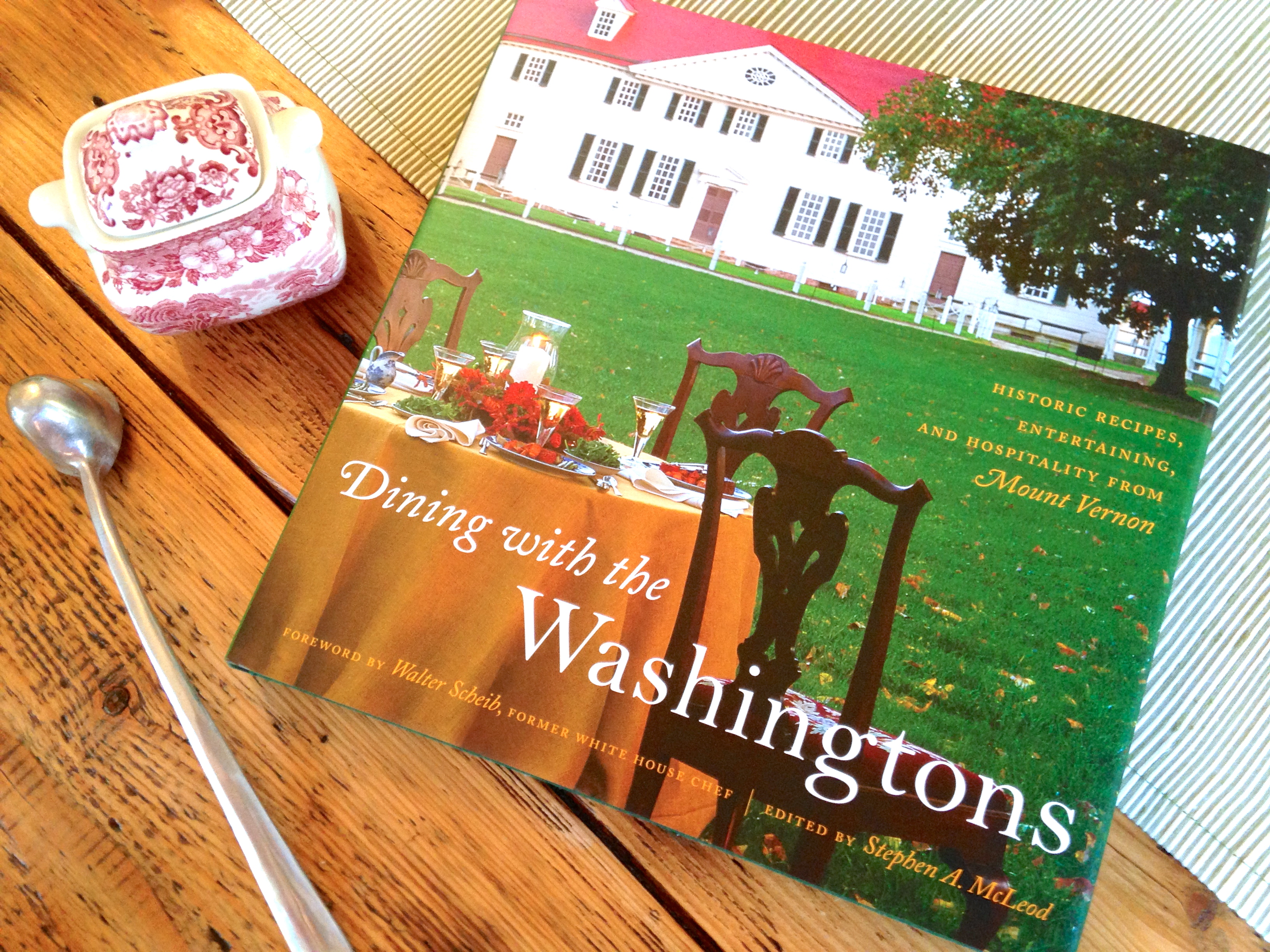
After reading Dining with the Washingtons: Historic Recipes, Entertaining, and Hospitality from Mount Vernon (Mount Vernon Ladies’ Association, 2011), I was especially anxious to check out “Hoecakes and Hospitality: Cooking with Martha Washington,” a special exhibition at the new Donald W. Reynolds Museum and Education Center, a truly fabulous place with its many galleries and theatres, interactive displays, fascinating exhibits and 700+ objects illuminating the style, taste, and personalities of the Washingtons, their life at the Estate, the presidency and the Revolutionary War.

IMG_0293

* * *

Continue reading

another cup of downton tea with chocolate madeleines

downton-abbey-cooking-scene-with-earthenware-bowls
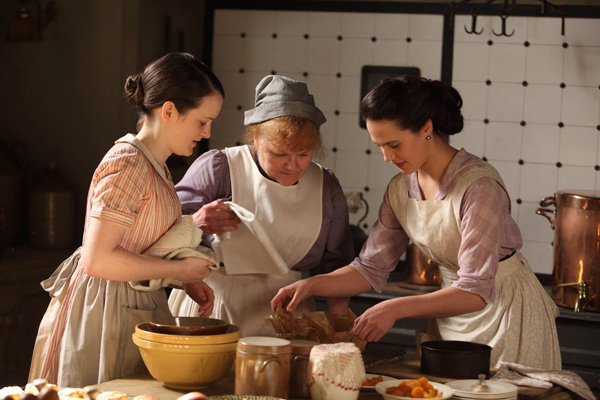
Daisy and Mrs Patmore teach Lady Sybil how to make a cake in happier days (ITV photo).

If, like me, you’re a Downton Abbey fan still reeling from the tragic events of this past Sunday’s Episode 4 and are in dire need of comfort, you’ve come to the right place.

There now, have a nice cup of tea and we’ll talk.

HOW COULD THEY??!!

Lady Sybil was my favorite Crawley sister, and as Mrs Hughes said, “The sweetest spirit under this roof is gone.” I’ll certainly miss her progressive thinking, optimism and open-hearted goodness. The episode was a painful reminder of how powerless even upper class women were when it came to critical medical decisions. Who knows a patient better than her lifelong physician? Who knows a child better than her own mother? And what about a husband’s right to decide what happens to his wife?

Downton Abbey Joss Barratt Photographer
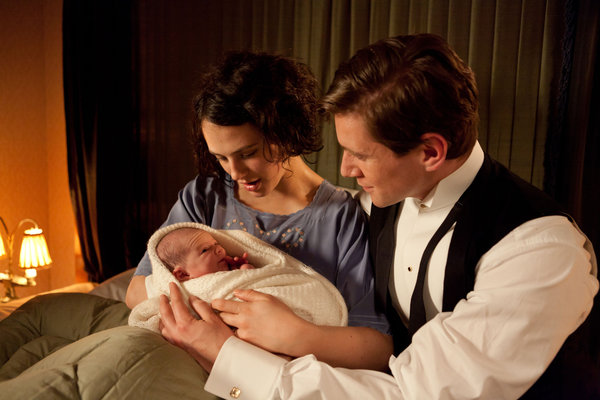
Jessica Brown-Findlay as Lady Sybil and Allen Leech as Tom Branson (Carnival Film & Television, Ltd., 2012)

Continue reading

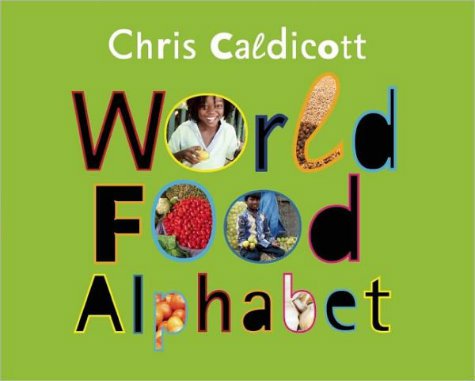
a taste of chris caldicott’s world food alphabet

#46 in an ongoing series of posts celebrating the alphabet.

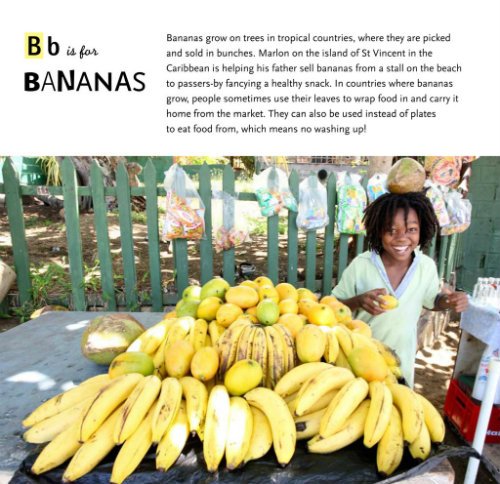
Fancy some Moroccan dates, farm fresh eggs from France, bananas from the Caribbean?  How about a stroll through the street markets of Burma, Guatemala and England? Now, I know that if you chanced upon a particular street vendor in Thailand, you’d surely insist on a bowl of yummy noodles. Sitting around a low table on your plastic stool, you’d likely find the happy conversation every bit as satisfying as the food.

Acclaimed UK food and travel writer and photo journalist Chris Caldicott serves up an international feast for the senses in his photographic alphabet of world food. He takes us to Europe, Asia, Africa and the Americas, giving us a fascinating glimpse of how food is grown, transported, sold, cooked, eaten and shared. Far more than a standard “A is for Apple” compendium, each photograph in World Food Alphabet (Frances Lincoln, 2012) tells a story with an interesting cultural and geographical context, showing people interacting with particular foods in their everyday lives.

Continue reading