[review] Suka’s Farm by Ginger Park, Frances Park, and Tiffany Chen

My grandmother and I had a unique way of communicating. Our made-up language was a hodgepodge of Korean, Hawaiian Creole English (Pidgin), broken English and American slang. We stuck to simple subjects as we watched our favorite soaps or gossiped about other family members.

While in middle school, I sometimes greeted her with a simple “Ohayō” or “Kon’nichiwa,” and she would shush me, her face like thunder. Since many of my classmates were Japanese, I naturally echoed some of what they said. My mom finally explained why Grandma got upset: from 1910 to 1945 the Japanese had occupied her homeland; Koreans were assigned Japanese names and the Korean language had been banned.
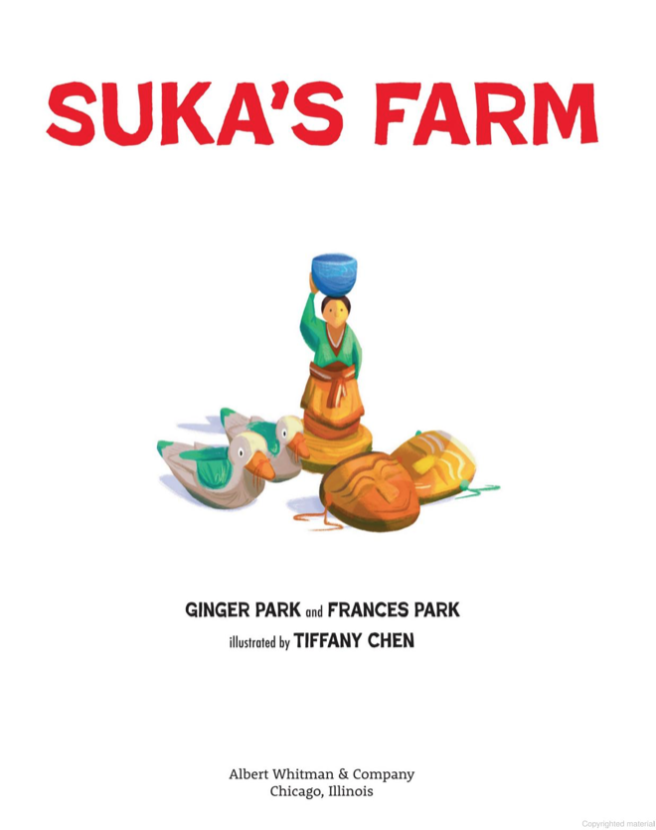
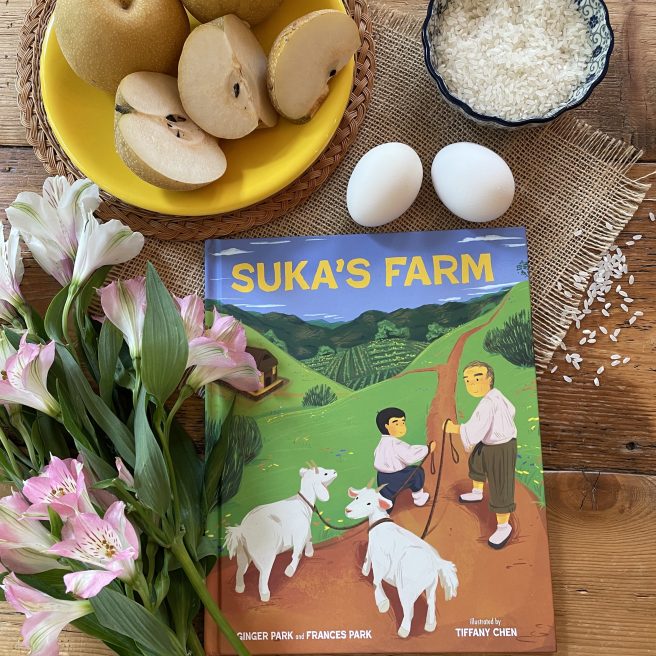
I thought of her while reading Suka’s Farm (Albert Whitman, 2025), a new picture book by Ginger Park and Frances Park, set in 1941 Korea. Illustrated by Tiffany Chen, this touching story of an unlikely friendship between an elderly Japanese farmer and a hungry Korean boy warms the heart and offers a much-needed glimmer of hope for humanity.
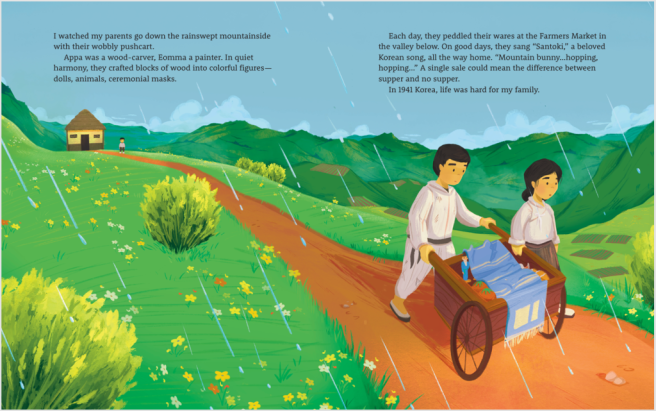
As the story opens, we learn Kwan lives on a quiet mountainside with his artisan parents, who eke out a living by selling their woodcarvings at the Farmers Market. Times are hard as they struggle to get by with meager bowls of rice porridge for supper. One night, Kwan overhears his worried parents say they only have a handful of rice left.

When Kwan passes Suka’s Farm on his way to school the next morning, he’s reminded of his family’s struggles. He sees pear trees growing from fertile soil, and acres of cabbages, melons and wheat — yet none of these foods ever appear on Kwan’s table. That’s because the land belongs to Japan, and Suka’s Farm is off-limits to Korean boys like him.
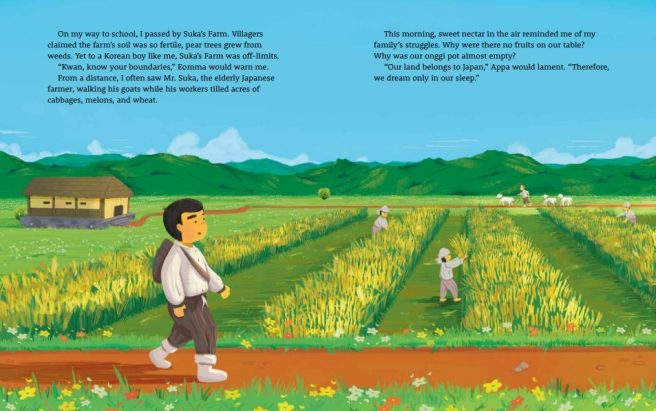
Still, Kwan is determined to help his family and, “as if in a dream without boundaries,” he steps onto the farm and musters up the courage to ask gruff Mr. Suka for a job. Kwan respectfully introduces himself as Aoki, the Japanese name he’d been assigned by law.

Mr. Suka is dismissive and rejects Kwan’s offer of work. How could a child help him? Kwan explains he could help with the goats, begging Mr. Suka because his family is hungry. Mr. Suka tells Kwan to go to school, but just as the boy is leaving the barn, he calls him back. He agrees to let Kwan work on a trial basis.
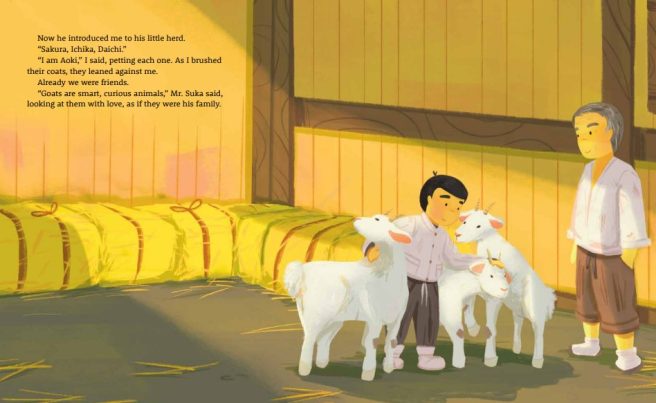
So, the next day, Kwan arrives before dawn, bearing a gift for Mr. Suka from his parents — a carved wooden goat. Though puzzled by the gift, he thanks Kwan, then introduces him to his little herd of goats, each of which has a name. Kwan and the goats, whom Mr. Suka loves like family, become fast friends.

Continue reading
C’est la vie

Bonjour, mes amis. Parlez-vous français?

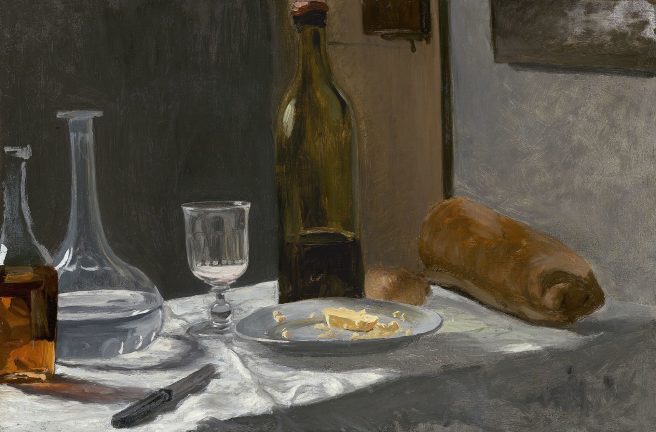
“Still Life with Bottle, Carafe, Bread, and Wine” by Claude Monet (1863).
BETTER IN FRENCH
by D.E. Green


for Diamonique Walker

Why does everything sound better in French?
Wittier? More pointed? More apt and apropos?
You know, with savoir faire and all that merde.
A woman I know from Cote d’Ivoire
likes to say how much she hates things,
but she does it with panache. Sometimes
she even says, je vous déteste. Sure, she’s saying
she hates me, but, god, doesn’t it sound
great? I mean I could be hated all day
by everybody as long as they said, je vous
déteste.
And I want to do some je déteste-ing
of my own. Je déteste le sandwich de pain rassis.
It’s just stale bread, but it sounds like something
you’d hear at the United Nations, even the Louvre.
Wouldn’t it change the whole sorry dining
experience to walk into a MacDonald’s
and say, je déteste votre Big Mac? To tell
a bombastic politician, Assez, monsieur! Assez!

~ copyright © 2016 D.E. Green.

*

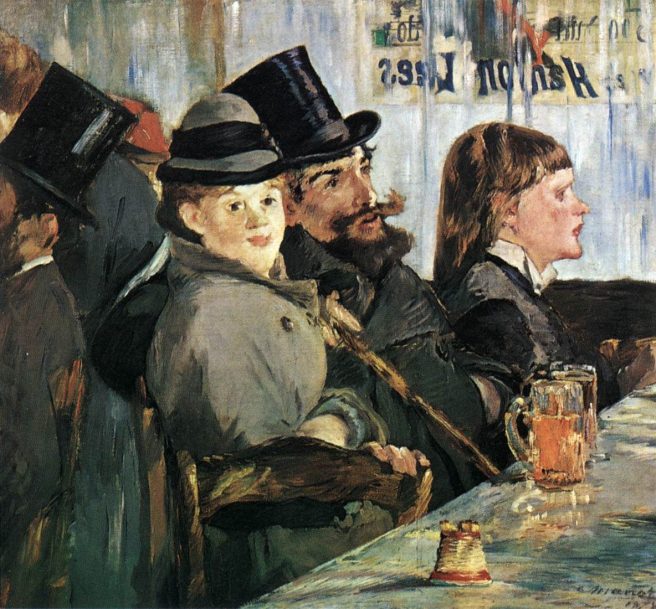
“At the Café” by Edouard Manet (1878).

Totally agree with Professor Green here. French has a sophisticated, elegant music all its own. Not only is it witty and pointed, it commands attention like a beautiful woman in stilettos. Self assured, nonchalant and très blasée, French is a language with attitude.

Continue reading

nine cool things on a tuesday

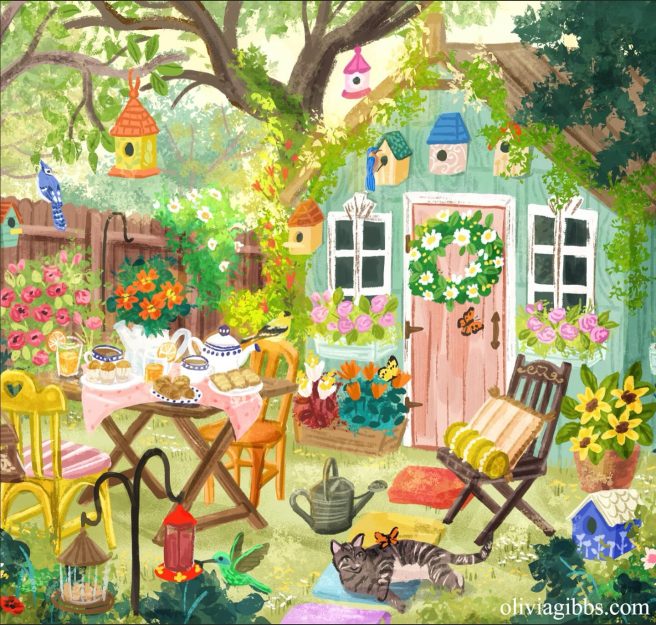
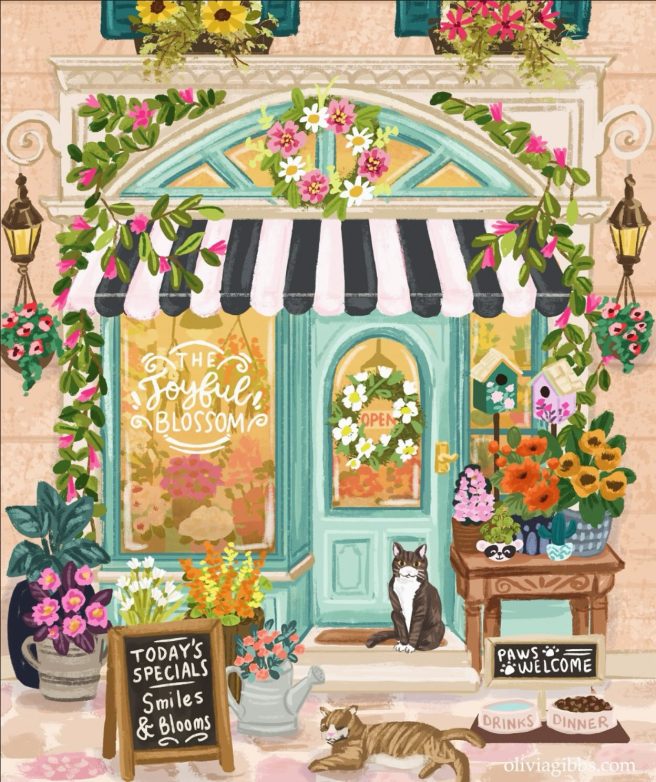
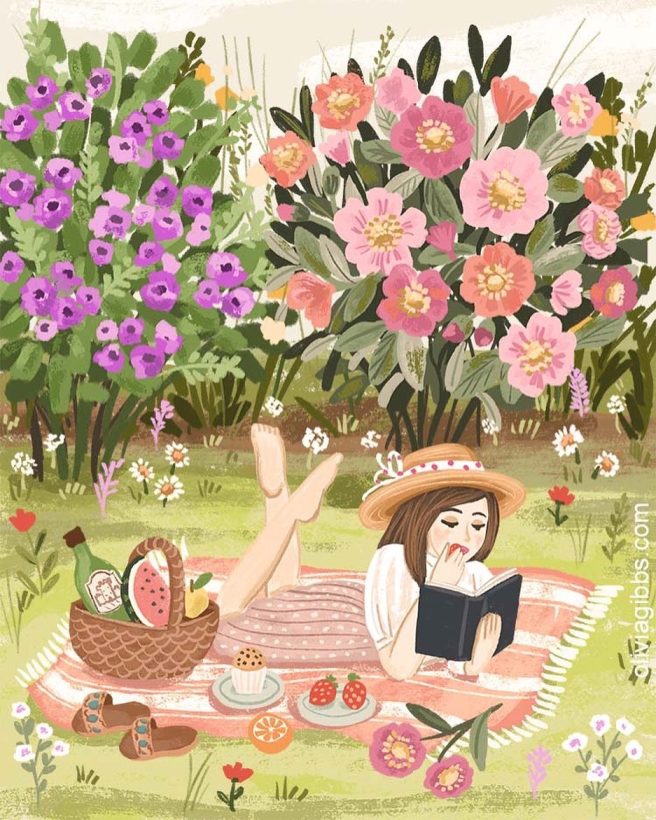
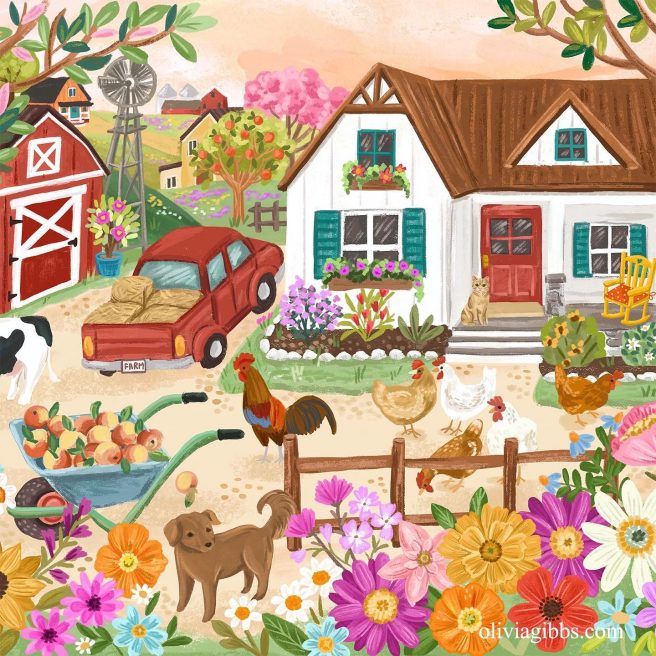
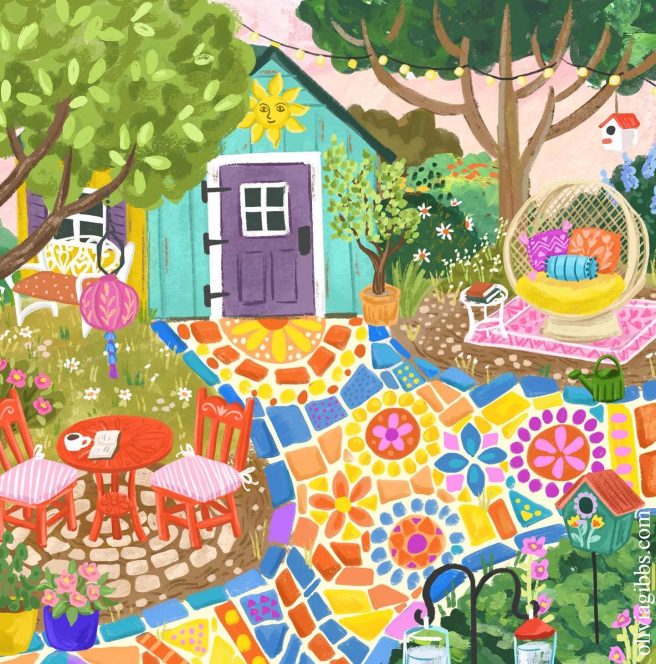
1. It’s May . . . and everything’s abloom! Take a seat and relax in Olivia Gibbs’s back garden. Help yourself to tea and treats; listen to birdsong and your cat’s purr. So cozy and peaceful.

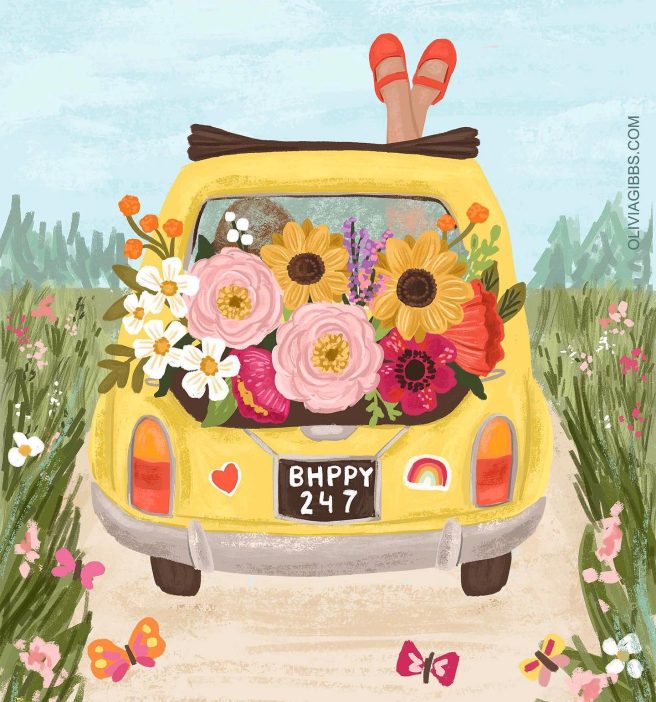
We featured some of Olivia’s work a couple of years back, and thought it was time to share more. After all, we need as much joy and color in our lives as possible, right?

Born and raised in Spain, Olivia is self taught and currently resides in Augusta, Georgia. She’s been smitten with drawing since childhood, when she’d spend hours creating stories in her sketchbook.

Since art didn’t seem like a viable career option, she studied Business Administration in college and then worked in banking for many years. But when her second daughter was born, she was able to stay at home and renew her interest in art, her true passion.

In addition to drawing and painting, Olivia loves traveling and exploring new places and cultures. She’s also keen on hiking, baking, dancing, finding the beauty in everyday life, and spending time with loved ones. 

Her client list includes American Greetings, Galison/Mudpuppy, Oopsy Daisy, Hallmark, Hobby Lobby, and Jo-Ann Fabric. 

For more, visit Olivia’s Official Website, Instagram, FB Page and Etsy Shop, where you can purchase prints.

*

Continue reading

“What I Learned from My Niece” by Lori Levy

“Gleaming skin; a plump elongated shape: the eggplant is a vegetable you’d want to caress with your eyes and fingers, even if you didn’t know its luscious flavor.” ~ French Chef Roger Vergé

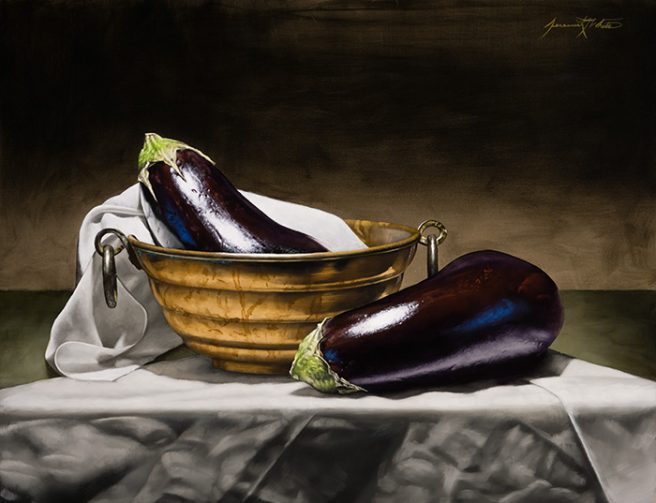
“Eggplants and Copper” by Jeremiah J. White.

Ahhhh . . . the eggplant has returned! *kisses bunched fingertips**

Remember when I shared Lori Levy’s wonderful poem, “Not a Hollywood Movie” for Valentine’s Day? We learned she squeezes fresh orange juice for her husband in the morning, while he patiently fries eggplant for dinner, eggplant that she loves stuffing into pita bread “with anything, everything.” That’s how I learned about sabich, a popular Israeli street food.

Recently, Lori sent along another delectable food poem in which we learn a little more about her love of eggplant and a practice suggested by her niece that I’m totally on board with. See if you agree. (This poem will appear July 9 in Certain Age Magazine.) 🙂

*

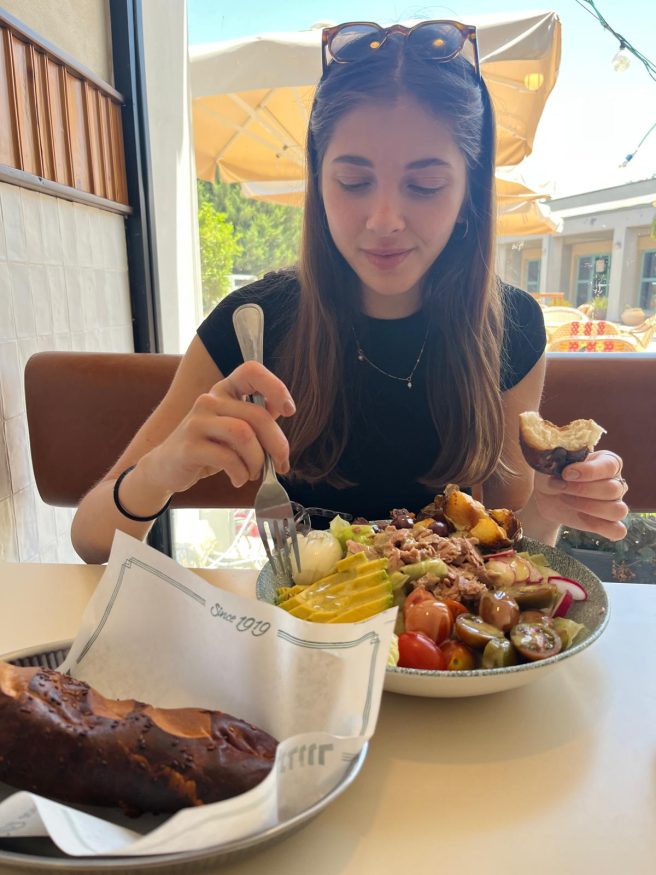
Lori’s niece Ofri pursuing a favorite hobby.
WHAT I LEARNED FROM MY NIECE
by Lori Levy

When asked what her hobbies are,
my 22-year-old niece says one is food—
eating it, not cooking it. Good food,
which, for her, means anything from shawarma to
endive salad with fruit and cheese, gnocchi with
pink sauce, purple soup with kubeh and beets.
I love that a hobby can be as simple as
savoring—not riding a bike over rough terrain
or kayaking down a river, like others in my family.
No action required but
bringing a fork or spoon to your mouth.

Maybe my hobby is eggplant.
On this visit to Israel, I scan the menu
for anything with eggplant: pasta, sandwiches, salad.
My brother-in-law Hiski
fries eggplants for us because I crave sabich.
I fill pita with chopped salad, hard-boiled eggs,
tahini, amba, and my beloved eggplant,
almost closing my eyes in anticipation
of the first bite.

My niece, Ofri, says another hobby is
sitting on the beach.
I could claim that one, too.
Not sailing or surfing or scuba diving.
Just sitting on a beach chair,
still and silent as a rock,
as the sky turns red over the Mediterranean—
pita with eggplant in a picnic basket beside me.

~ Posted by permission of the author, © 2025 Lori Levy.
Continue reading

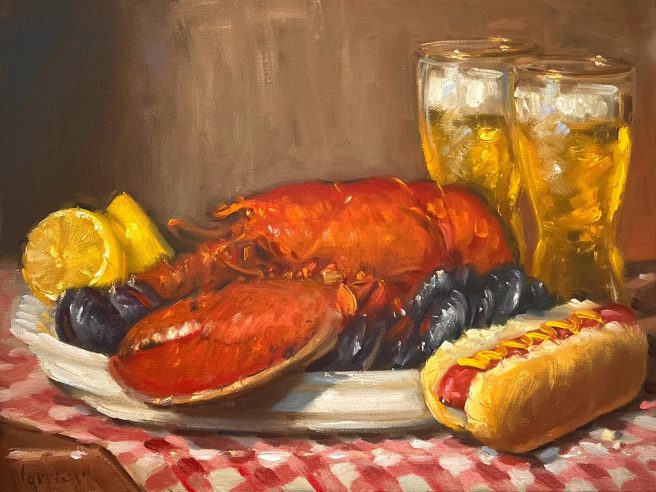
feasting on noah verrier’s food paintings

“For me every painting is like a prayer to God, I can be still, look closely, and interpret the colors, shapes, and emotion before me.” ~ Noah Verrier

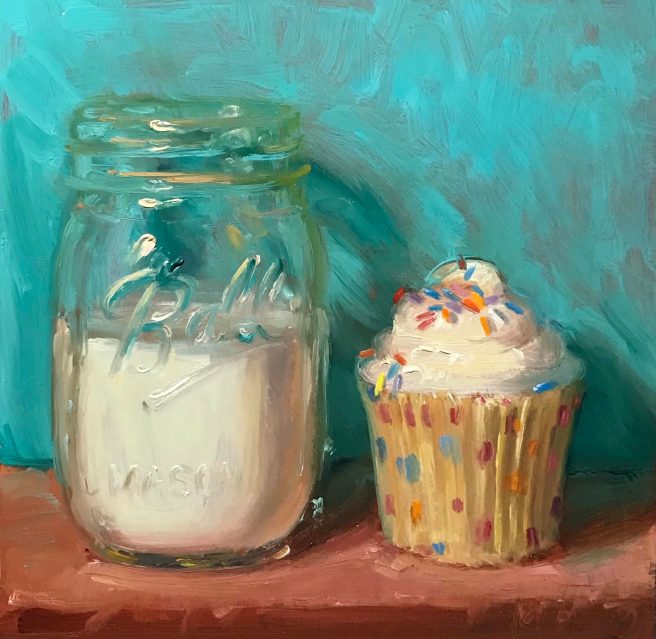
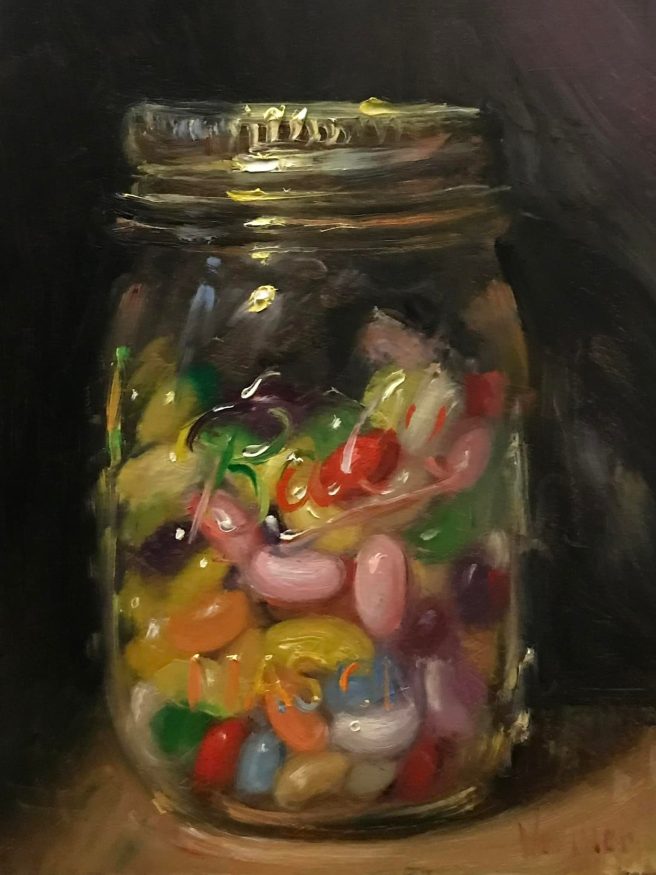
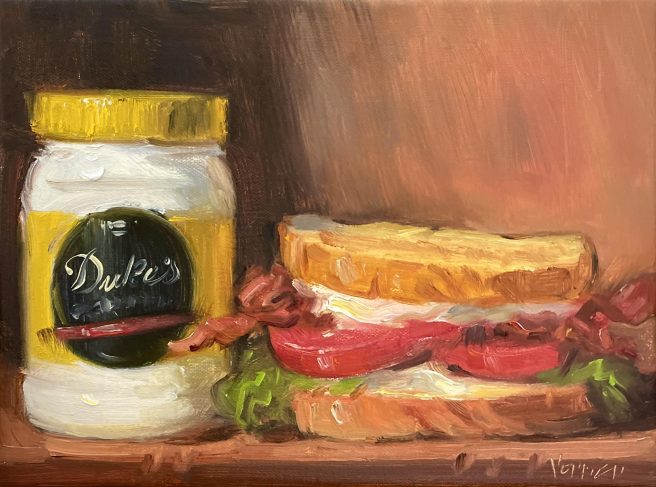
Hungry? If you’re craving a little comfort food, whether fast or slow, you’ve come to the right place. Florida artist Noah Verrier’s realistic depictions of classic favorites hit the spot every time.

Feasting on one of Verrier’s mouthwatering, calorie-free still lifes comes with an added benefit: zero guilt. So go ahead and lick off that cupcake frosting to your heart’s content, polish off a syrupy stack of fluffy pancakes, or wolf down a cheesy Big Mac with fries. You’ll feel satisfied and have fun doing it.

Though now based in Tallahassee, Verrier was born in Salem, Oregon, and moved to Florida with his parents when he was six. He loved art as a child and began drawing and painting in watercolors by the age of ten in order to emulate what he saw.

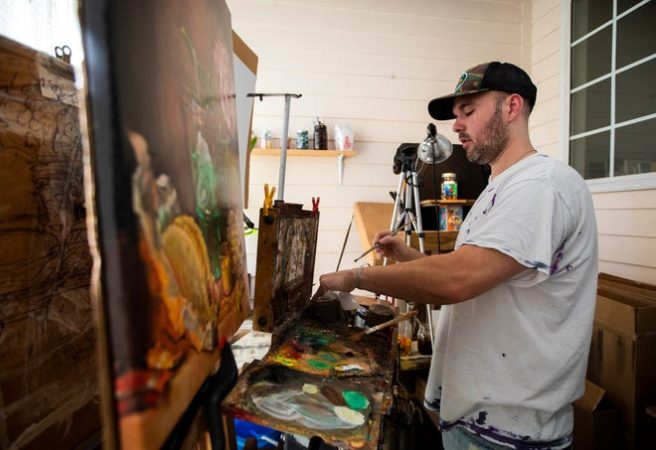
photo of Noah Verrier in his studio by Chasity Maynard/Tallahassee Democrat.

He was fully immersed in art in high school, inspired by Impressionism. Van Gogh and Monet were big influences. He then studied art at Florida State University, taking an interest in 19th century painters Manet, Sargent and Sorolla, as well as 20th century artist Wayne Thiebaud, admiring them for their realistic imagery and brush stroke styles. He also taught painting at FSU, first as a graduate student and then as a professor after earning his MFA. In 2017, he took a leap of faith and quit teaching to become a full-time artist.

Noah specializes in oils and always paints from real-life subjects. He typically begins by sketching an image, then setting up a composition in his home studio. He uses a wet-on-wet painting technique, also known as alla prima painting. This allows him to apply a layer of wet paint on top of another wet layer, all in one setting. Using unique brush strokes and blends of color, he’s able to complete a painting in one day.

Continue reading