two poems by Freya Manfred

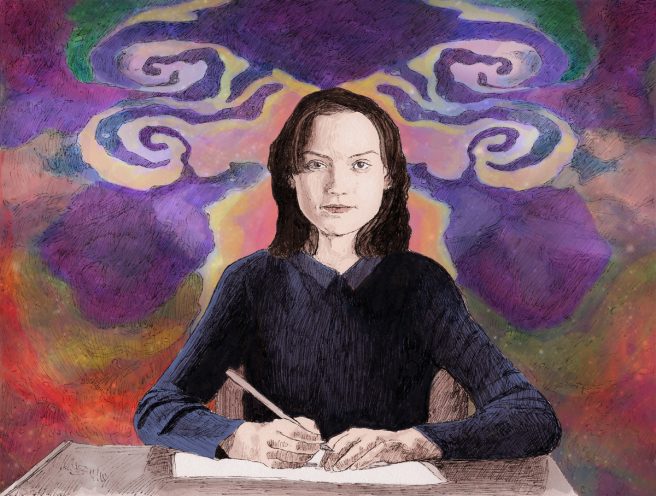
“Woman Writing” by Bly Pope.

I consider it a rare gift to discover a new-to-me poet, one whose work immediately resonates and whets my appetite for more.

Reading Freya Manfred’s poems for the first time was like taking a rejuvenating breath of fresh air, or drinking a tall glass of cool water on a warm day. She often writes about nature and human relationships; her plain-spoken words, generous spirit and clear-sighted wisdom shifted my perspective. Here are two poems I found especially moving.
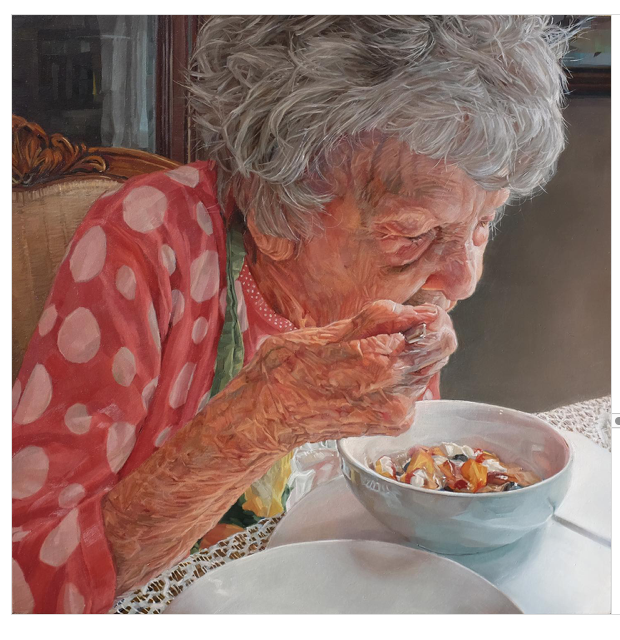
“Breakfast” by Amy Werntz (oil on panel).
IMAGINE THIS 
by Freya Manfred


When you’re young, and in good health,
you can imagine living in New York City,
or Nepal, or in a tree beyond the moon,
and who knows who you’ll marry: a millionaire,
a monkey, a sea captain, a clown.

But the best imaginers are the old and wounded,
who swim through ever narrowing choices,
dedicating their hearts to peace, a stray cat,
a bowl of homemade vegetable soup,
or red Mountain Ash berries in the snow.

Imagine this: only one leg and lucky to have it,
a jig-jagged jaunt with a cane along the shore,
leaning on a walker to get from grocery to car,
smoothing down the sidewalk on a magic moving chair,
teaching every child you meet the true story

of this sad, sweet, tragic, Fourth of July world.

~ from Speak, Mother (Red Dragonfly Press, 2015).
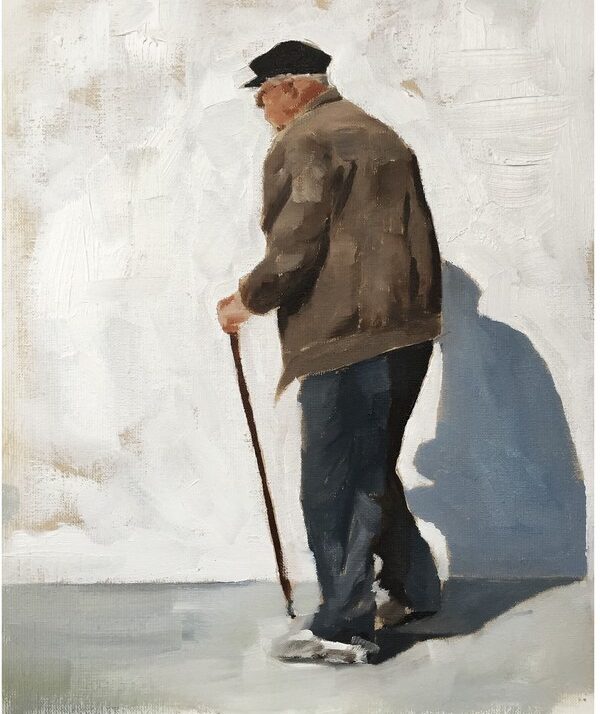
“Old Man with Cane” by James Coates.
Continue reading

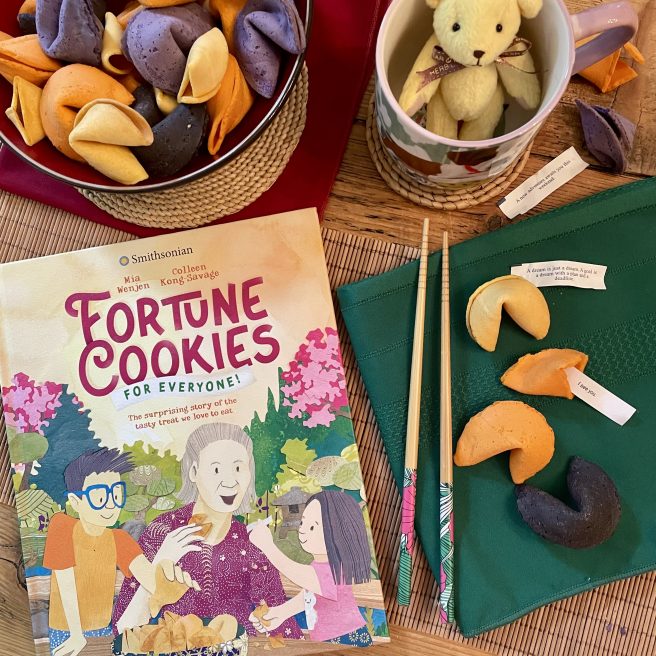
[crunchy review] Fortune Cookies for Everyone! by Mia Wenjen and Colleen Kong-Savage

Everyone looks forward to cracking open a fortune cookie after finishing a mouthwatering Chinese meal. What does the future hold (“You will meet a handsome stranger”)? What handy bit of wisdom awaits (“A closed mouth gathers no feet”)?

While we all enjoy these fun and pithy messages, it’s logical to assume fortune cookies are a Chinese invention, when in fact they most likely originated in Japan. What’s more, most people in China haven’t even heard of fortune cookies, let alone eaten them! 😯

In Fortune Cookies for Everyone!: The Surprising Story of the Tasty Treat We Love to Eat (Smithsonian/Red Comet Press, 2025), Mia Wenjen and Colleen Kong-Savage serve up a captivating intergenerational tale flavored with sides of history, mystery, and cultural pride. Learning about a food’s interesting backstory makes it even tastier, don’t you think?

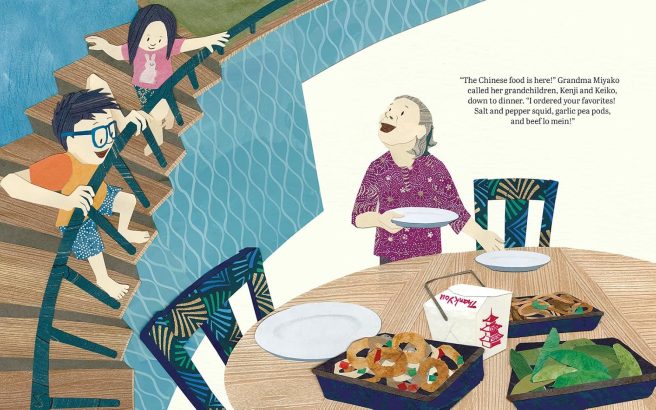
As the story opens, Grandma Miyako has ordered Chinese takeout for her grandchildren Kenji and Keiko. After they’ve feasted on their favorites — salt and pepper squid, garlic pea pods, and beef lo mein — she hands them their fortune cookies, mentioning that she knew who invented them.

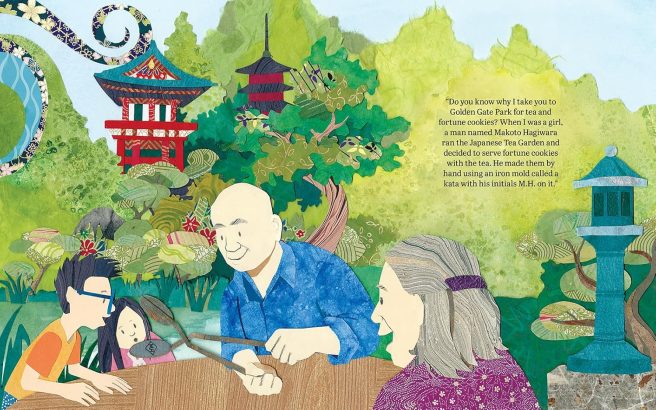
The kids are excited to hear more about that in the “long and twisty story” Grandma tells using her scrapbook. When she was a girl, Makoto Hagiwara, the man who ran the Japanese Tea Garden in Golden Gate Park, served tea with miso-flavored fortune cookies he made by hand using a kata (iron mold).

Because the cookies were so popular, Hagiwara asked Grandma’s best friend Yukiko’s father (who owned a bakery) to help him. Mr. Okamura was happy to do so, suggesting they change the cookie flavor to sweet vanilla and butter to make them more appealing to Americans.

Continue reading

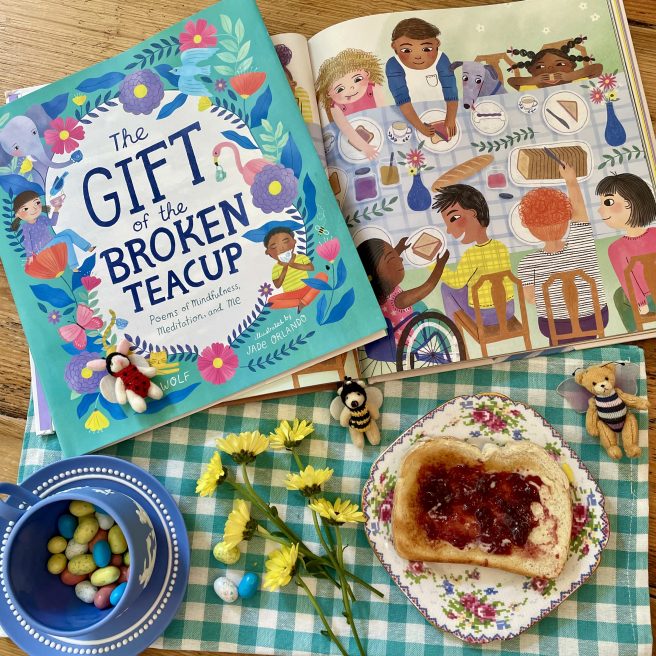
[mindful review+ giveaway] The Gift of the Broken Teacup by Allan Wolf and Jade Orlando

Imagine standing beneath a tall tree in a quiet snow-laden forest, your soul abloom with heightened awareness. Or perhaps you’re lying on your bed, eyes closed, envisioning a butterfly fluttering just above you, its wings stirring up the gentle air before it softly lands on your fingers, nose and eyelids.

Whether immersing yourself in nature or traveling within, moments of calm introspection can help offset the stresses of daily life, rejuvenate the spirit and restore balance. In The Gift of the Broken Teacup: Poems of Mindfulness, Meditation, and Me (Candlewick, 2025), poet Allan Wolf and illustrator Jade Orlando invite young readers to open their minds, think deeper, and enjoy the benefits of being fully present in their daily lives.

This insightful collection explores the essence of mindfulness by offering strategies for self actualization and emotional literacy. With an emphasis on positive values like empathy, kindness, gratitude and respect, this child-friendly primer for being in the world truly inspires and empowers.

Thirty poems are presented in three sections — Mindfulness, Meditation, and Me — with the opening poem introducing the book’s overarching themes of acceptance, openness, and intention.

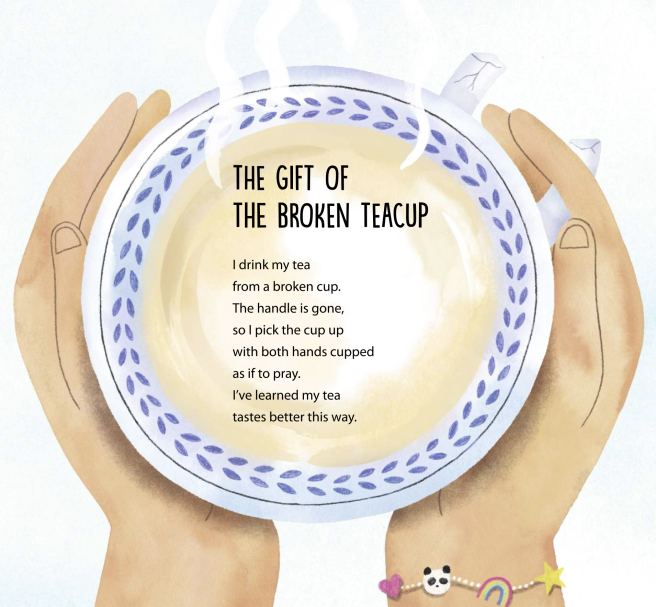
THE GIFT OF THE BROKEN TEACUP

I drink my tea
from a broken cup.
The handle is gone,
so I pick the cup up
with both hands cupped
as if to pray.
I've learned my tea
tastes better this way.

I like the speaker’s non judgmental attitude and willingness to embrace the broken cup for what it is, ultimately discovering an unexpected gift. Good lesson: always remain open to possibilities, trust yourself.

Continue reading

[review] This Moment is Special: A Día de Muertos Story by John Parra

Come November 1-2, Mexicans and other Latino communities around the world will be observing Día de Muertos (Day of the Dead), a traditional fiesta to honor and remember deceased loved ones.

Celebrations will include using marigolds and calaveras (skeletons), decorating family gravesites, constructing altars with photos, memorabilia and offerings of the departed’s favorite foods and beverages; as well as holding community gatherings with music, dancing, feasting, and masquerading as death.

Rather than being a somber, mournful occasion, this much anticipated holiday is a time to welcome the spirits of departed ancestors to a joyful reunion with the living on Earth.

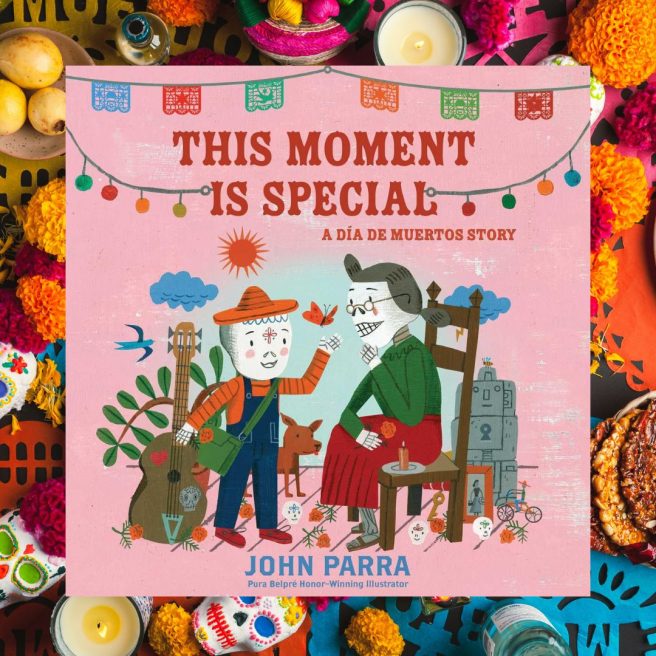
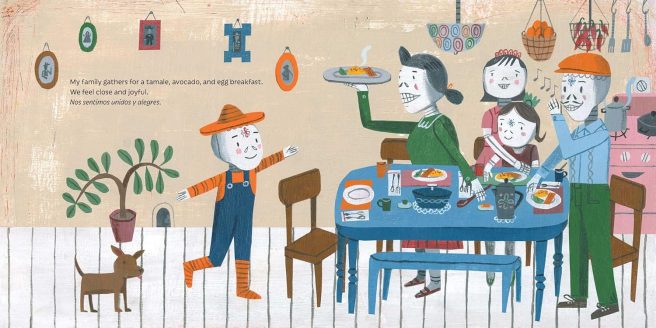
In This Moment is Special: A Día de Muertos Story (Paula Wiseman/S&S, 2025) by award-winning author-illustrator John Parra, a young boy practices mindfulness as he prepares for the fiesta throughout the day. He treasures each moment with family and friends — moments time will turn into the precious memories of a life well lived.

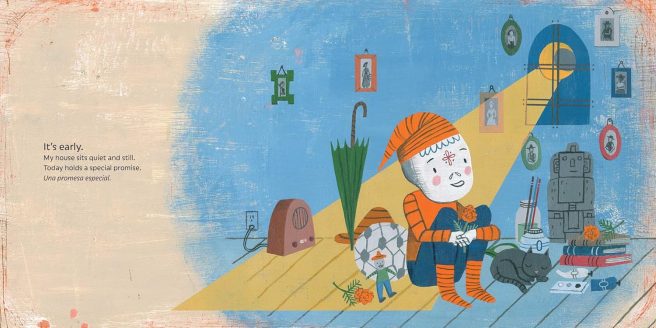
We first meet him early in the morning as he anticipates what’s ahead with hope and excitement:

Today holds a special promise. Una promesa especial.

Oh, the possibilities! He first shares “a tamale, avocado and egg breakfast” with his family, who, like him, have donned calaveras paint. Next, he and his sister take the bus to school, where he pushes his mind “to discover and learn” subjects like history, language, geography and science.

Continue reading

to dust or not to dust

“Dust is something bad, something evil and wicked.” ~ Philip Pullman (His Dark Materials, 1995)

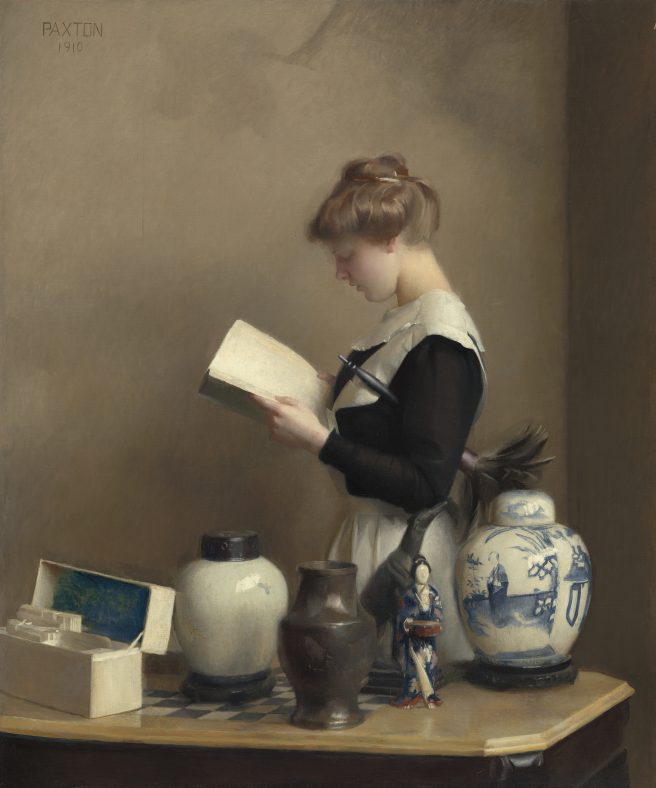
“The House Maid” by William McGregor Paxton (1910).
DUST IF YOU MUST
by Rose Milligan

Dust if you must, but wouldn't it be better
To paint a picture, or write a letter,
Bake a cake, or plant a seed;
Ponder the difference between want and need?

Dust if you must, but there's not much time,
With rivers to swim, and mountains to climb;
Music to hear, and books to read;
Friends to cherish, and life to lead.

Dust if you must, but the world's out there
With the sun in your eyes, and the wind in your hair;
A flutter of snow, a shower of rain,
This day will not come around again.

Dust if you must, but bear in mind,
Old age will come and it's not kind.
And when you go (and go you must)
You, yourself, will make more dust.

~ This poem first appeared in The Lady (1998), and is now believed to be in the public domain.

*

Continue reading